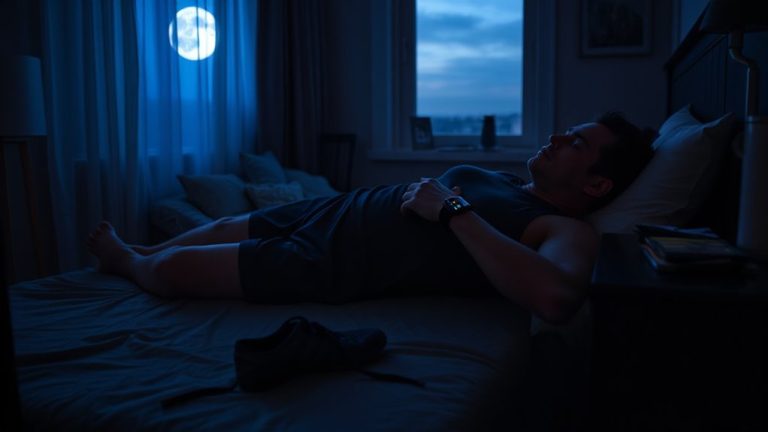
Guided Imagery Scripts Featuring Nature Scenes to Promote Sleep Onset
You can fall asleep faster by picturing peaceful nature scenes like a quiet forest or moonlit beach, which help shift your focus from daily stress. Guided imagery uses calming visuals and sounds-such as waves or rustling leaves-to relax your mind, lower cortisol, and support natural sleep onset. No equipment or prescription’s needed; you can try free apps or audio tracks. With regular practice, most people notice improvements within a few nights. Different scenes work for different preferences, so experiment to find what soothes you best-your ideal match is within reach.
Notable Insights
- Guided imagery uses calming nature scenes to shift focus from stress, promoting relaxation and faster sleep onset.
- Natural settings like forests, beaches, and meadows engage the senses to trigger physiological relaxation and slower heart rate.
- Practicing 5–10 minutes nightly with breathwork and visualization strengthens mental association with sleep.
- Soothing scripts featuring waves, rustling leaves, or fireflies align with brainwave patterns that support drowsiness.
- Enhance effectiveness by adding sensory details, emotional memories, and consistent timing without screen use.
Why Guided Imagery Helps You Fall Asleep
While your mind is still active at bedtime, guided imagery helps shift your focus away from daily stressors and into a mental space that supports relaxation. You’re not just imagining a peaceful scene-you’re influencing your brain chemistry. When you engage in guided imagery, your body responds by lowering cortisol and increasing serotonin, which supports mental relaxation. This shift can ease the shift into sleep, especially if racing thoughts or mild anxiety keep you awake. Unlike sleep medications, guided imagery carries no side effects and requires no prescription. It’s a low-cost, accessible tool you can try tonight using free apps or audio tracks. While results vary, many find it improves sleep onset within a few uses. Consider combining it with consistent bedtime routines for best results. It won’t replace treatment for serious sleep disorders, but it’s a practical first step worth trying.
How Nature Scenes Boost Sleep With Guided Imagery
Nature’s quiet strength makes it a powerful ally when you’re trying to fall asleep using guided imagery. Scenes like forests, oceans, and meadows engage your senses in ways that support relaxation. The concept of forest bathing shows how immersion in natural environments reduces stress-guided imagery recreates this effect mentally. Your brain responds to these peaceful visuals and associated sound frequencies, like rustling leaves or gentle waves, which can slow your heart rate. These elements work together to cue your body’s sleep signals.
| Scene Type | Sound Frequencies (Hz) |
|---|---|
| Forest | 100–200 (alpha waves) |
| Ocean | 80–150 |
| Mountain Stream | 120–180 |
| Night Meadow | 90–140 |
Lower frequencies often align with deeper relaxation. Imagery combining soft visuals and these sounds helps ease mental chatter, offering a non-invasive option for those weighing sleep aids.
How to Use Guided Imagery at Bedtime
Why not start your bedtime routine by setting aside just 5 to 10 minutes for guided imagery? Find a quiet space, lie down comfortably, and dim the lights. Begin with simple breathing techniques-inhale slowly through your nose, hold for a count of four, then exhale through your mouth. This calms your nervous system and prepares your mind for sleep. As your breath evens out, shift to visualization focus: picture a peaceful natural scene, like a forest or shoreline. Keep the imagery gentle and consistent, letting distractions fade without judgment. If your mind wanders, softly return to your breath and the scene. No special equipment is needed, and there’s no risk of dependency, making it a low-stakes addition to your routine. Try it nightly for a week to assess its effect on your sleep onset.
Try These 3 Soothing Nature Scripts for Sleep
What if your next good night’s sleep began with just your mind’s vision? Try these three guided imagery scripts to ease into rest. First, picture a quiet beach: feel the ocean breeze cool your skin, hear waves rhythmically lapping the shore, and let each breath sync with the tide. This scene works well if you respond to gentle motion and tats. Second, envision a forest clearing wrapped in mountain mist-soft, cool air surrounds you, muffled sounds deepen the calm, and your body feels light. This script suits those who prefer cooler, still environments. Third, visualize a meadow at dusk, fireflies glimmering, warmth fading gently. Each script lasts 5–7 minutes, is designed for ease of use, and can be revisited nightly. Test them over a week to see which supports your sleep onset most consistently.
Make Guided Imagery Work for You
You’ve already explored a few calming scenes to guide your thoughts toward sleep, but making this practice fit your routine is what turns it into a reliable tool. Start with just 5–10 minutes, using simple breathing techniques to settle your body before beginning mental rehearsal of your chosen scene. Inhale slowly through your nose, pause, then exhale fully-this rhythm helps quiet your nervous system. Choose a consistent time and quiet space where interruptions are unlikely. Use audio scripts or quiet imagination, whichever feels more natural. If your mind wanders, gently return focus without frustration. Pair guided imagery with a regular sleep schedule to strengthen results over time. It won’t replace medical treatment for sleep disorders, but it can reduce reliance on sleep aids for some. Try it nightly for two weeks to assess its effect-most notice improvements in sleep onset.
5 Ways to Deepen Your Sleep Imagery Practice
While your current routine may already include basic imagery, refining the details can make a noticeable difference in how deeply your mind engages and how quickly you drift off. You can deepen your practice by using sensory layering-adding textures, sounds, and scents to your envisioned scene. Picture the cool breeze on your skin, the rustle of leaves, or the faint smell of damp earth after rain. These details help your brain settle into the moment. Pair this with emotional anchoring by recalling a memory linked to calm, like lying under a quiet forest canopy. That feeling becomes a mental cue for relaxation. Practicing nightly builds consistency, and using guided audio scripts with nature themes supports focus. Over time, your body responds faster, easing sleep onset. If you struggle with occasional sleep delays, this method offers a drug-free option worth trying. Many find improved results within a few weeks, especially when replacing screen time before bed.
On a final note
You can use guided imagery to support sleep onset without medication. Nature-based scripts often work well because they engage the senses and reduce mental chatter. Try a few sessions to see if it helps you relax. No special tools are needed, just quiet time and practice. If sleep problems continue, consider consulting a healthcare provider to discuss underlying causes or other evidence-backed treatments.