Delayed Sleep Phase Disorder vs. Night Owl: How to Tell the Difference
You might think you’re just a night owl, but DSPD means your body clock runs hours behind, making early sleep nearly impossible. Unlike casual late-nighters, you can’t easily adjust. This biological delay keeps you alert at night and groggy in the morning. Light therapy, consistent wake times, and timed melatonin can help shift your rhythm. Natural changes take time, but with structured methods, progress is possible-there’s more to discover about managing your cycle effectively.
Notable Insights
- Both DSPD and night owl behavior involve a preference for late-night activity and difficulty waking early.
- DSPD is a medical condition with a biologically delayed circadian rhythm, not just a habit.
- Night owls can adjust their sleep times when necessary, while those with DSPD cannot easily shift.
- Evening light exposure, especially from screens, can delay melatonin release, worsening both patterns.
- Without treatment, DSPD individuals appear as extreme night owls due to persistent, involuntary late sleep onset.
What Is Delayed Sleep Phase Disorder (DSPD)?
What if your internal clock just doesn’t match everyone else’s? That’s the core of Delayed Sleep Phase Disorder (DSPD). If you consistently fall asleep hours later than desired, often past midnight, despite trying to sleep earlier, you may experience circadian misalignment. Your body’s natural rhythm runs late, making it hard to follow typical schedules. This isn’t just preference-it can result in chronic sleep onset insomnia, where falling asleep feels impossible before very late hours. Waking up on time becomes a struggle, often leaving you exhausted. DSPD is persistent, lasting months or longer, not just occasional. Treatment options include timed light exposure, melatonin supplements under medical guidance, and strict sleep hygiene. Diagnosis usually requires sleep logs or actigraphy. Recognizing DSPD helps distinguish it from habits, guiding better decisions about therapy or aids.
How DSPD Mimics Night Owl Habits: But Isn’t the Same
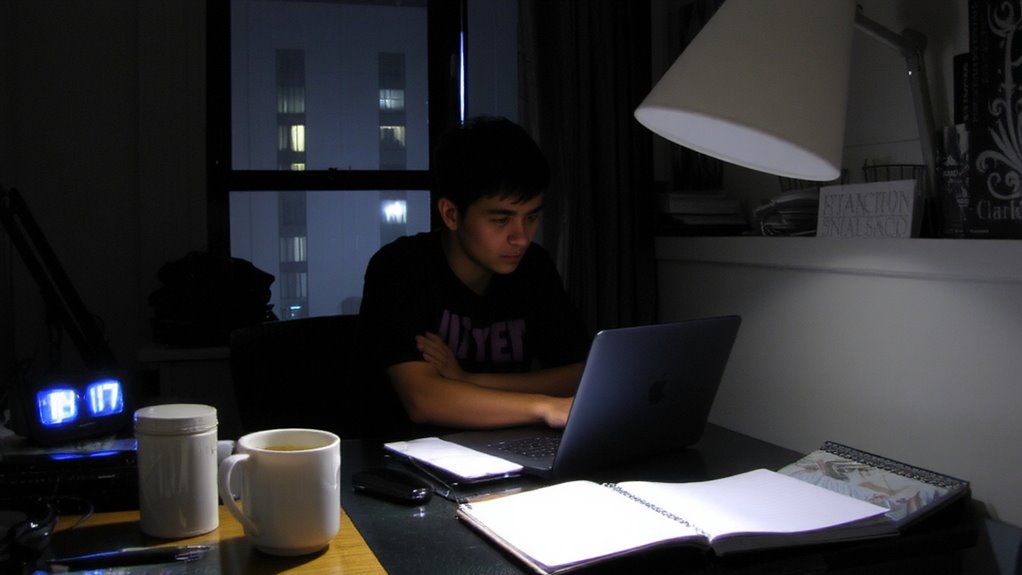
Night owls and DSPD might look alike from the outside-both involve late nights and sluggish mornings-but the underlying causes and consequences differ in important ways. You might choose late nights freely, but with DSPD, your body simply won’t let you fall asleep earlier, no matter how hard you try. This isn’t just a preference-it can lead to chronic insomnia when you’re forced into early schedules. Over time, missed social events or work demands may increase feelings of social isolation. Unlike night owls who adjust with effort, DSPD stems from a shifted internal clock you can’t easily override. Sleep aids or strict routines might help, but they don’t fix the root issue. Treatments like light therapy or melatonin, taken at specific times, can gradually shift your rhythm. A doctor’s evaluation helps distinguish DSPD from habits or other disorders, supporting better, evidence-based choices for long-term sleep health.
What Shifts the Circadian Clock in DSPD?
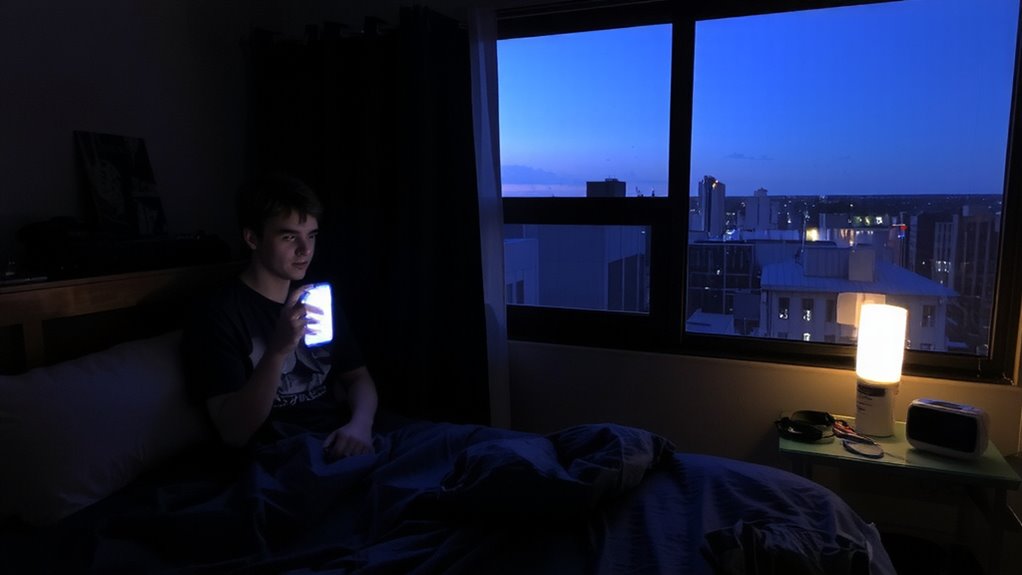
Why does your internal clock seem stuck on a different time zone, even when you want to shift it? In DSPD, your circadian rhythm is delayed due to a mix of genetic predisposition and environmental triggers. You might’ve inherited a sensitive biological clock, and daily habits-like late screen use or irregular light exposure-can push your rhythm further. Shifting it back requires consistent, timed cues. Below are key factors affecting the circadian clock:
| Factor | Impact on Clock | Actionable Step |
|---|---|---|
| Morning light | Resets rhythm early | Seek sunlight within 1 hour of waking |
| Evening screens | Delays release of melatonin | Reduce blue light after 8 PM |
| Genetic predisposition | Increases vulnerability | Track family history |
| Irregular sleep | Reinforces delay | Maintain fixed wake time |
Small, steady adjustments work best, especially when guided by professional evaluation.
Why People With DSPD Are Alert at Night and Tired in the Morning?
Even though you might feel most awake when others are winding down, your alertness at night and fatigue in the morning stem from a circadian rhythm that runs on a delayed schedule. This delay shifts peak cognitive performance to later hours, making it easier to focus and stay alert at night. In contrast, your brain struggles to function efficiently in the early morning when societal demands require wakefulness. Hormonal fluctuations, especially in melatonin and cortisol, also follow this delayed pattern-melatonin rises later at night, signaling sleep much later than typical. As a result, waking early feels disruptive and unnatural. Trying to sleep earlier without treatment often leads to poor sleep quality. Light therapy, consistent routines, and carefully timed melatonin supplements may help shift your rhythm. Discussing options with a sleep specialist guarantees solutions support your body’s biology without sacrificing long-term well-being.
DSPD vs. Night Owls: Key Differences You Need to Know
While both DSPD and night owl tendencies involve a preference for late nights, they’re not the same thing-one is a clinical disorder, and the other is simply a natural variation in sleep timing. Your sleep patterns matter here: night owls choose late schedules and can adjust when needed, while DSPD makes shifting your rhythm difficult, even with effort. Lifestyle choices affect night owls less because their internal clock can adapt, but DSPD follows a fixed delay you can’t easily override.
| Feature | DSPD | Night Owl |
|---|---|---|
| Sleep Timing | Delayed, inflexible | Late, adjustable |
| Response to Change | Poor, biologically resisted | Good, aligns with routine |
| Impact of Lifestyle | Minimal improvement | Noticeable with habits |
Understanding these differences helps you decide whether to try sleep aids or seek medical guidance.
How DSPD Affects Daily Life and Mental Health
You can’t just power through a delayed sleep phase and expect things to balance out-your body clock is wired differently with DSPD, and that shift in rhythm often pulls against daily demands. Chronic fatigue sets in when you’re forced to wake early for work or school, leaving you groggy and unfocused, even after eight hours. It’s not laziness-it’s your biology resisting a schedule that doesn’t fit. This mismatch can strain relationships, limit participation in morning or daytime activities, and lead to social isolation. Over time, missing out on gatherings or feeling out of sync with others may affect your mood and self-esteem. You might rely on caffeine or naps to cope, but those only mask symptoms. Recognizing DSPD as a real circadian condition helps you seek appropriate support, avoid self-blame, and consider adjustments that align better with your natural rhythm while managing daily responsibilities.
How to Reset Your Body Clock: Proven DSPD Treatments
What if your body just isn’t ready to sleep when everyone else is? You’re not broken-your internal clock is just out of sync. The good news is, you can reset it with proven treatments. Light therapy helps by exposing you to bright light early in the morning, which signals your brain to wake up and gradually shifts your sleep schedule earlier. Stick to it daily for best results. Equally important is practicing strong sleep hygiene-keep a consistent bedtime, limit screens before bed, avoid caffeine late in the day, and create a restful bedroom environment. These habits support your body’s natural rhythms. When used together, light therapy and sleep hygiene can make a real difference over weeks. It takes patience and routine, but many people with DSPD find improved sleep by combining these methods consistently. Check with a sleep specialist to tailor the plan to your needs.
On a final note
You might feel more alert at night, but if mornings are a struggle despite effort, it could be DSPD, not just a night owl habit. Treatments like light therapy, melatonin supplements, and consistent sleep schedules can help reset your clock. Consider talking to a sleep specialist, especially if symptoms persist. Many find relief with guided therapy, and some devices come with warranties for trial periods-giving you time to test what works.