Creating A Pre-Bed Routine That Prepares You Mentally And Physically For Deep Sleep
Set up your bedroom with blackout curtains and warm nightlights to signal your body it’s time to wind down. Unplug from screens an hour before bed to protect your natural sleep cycle. Do a quick five-minute stretch to ease physical tension, then use slow breathing and gratitude to calm your mind. Keep the routine consistent, and you’ll start to notice deeper, more restful sleep-especially as you refine what works best for you.
Notable Insights
- Dim lights and use blackout curtains to create a dark, calming bedroom environment ideal for melatonin production.
- Disconnect from screens one hour before bed to reduce blue light and support natural sleep-wake cycle regulation.
- Spend five minutes on gentle stretches to release physical tension and signal the body it’s time to unwind.
- Practice mindful breathing and gratitude reflection to calm the mind and encourage positive, sleep-ready thoughts.
- Follow a consistent nightly routine with calming cues like herbal tea or soft lighting to strengthen sleep habits over time.
Optimize Your Bedroom for Better Sleep
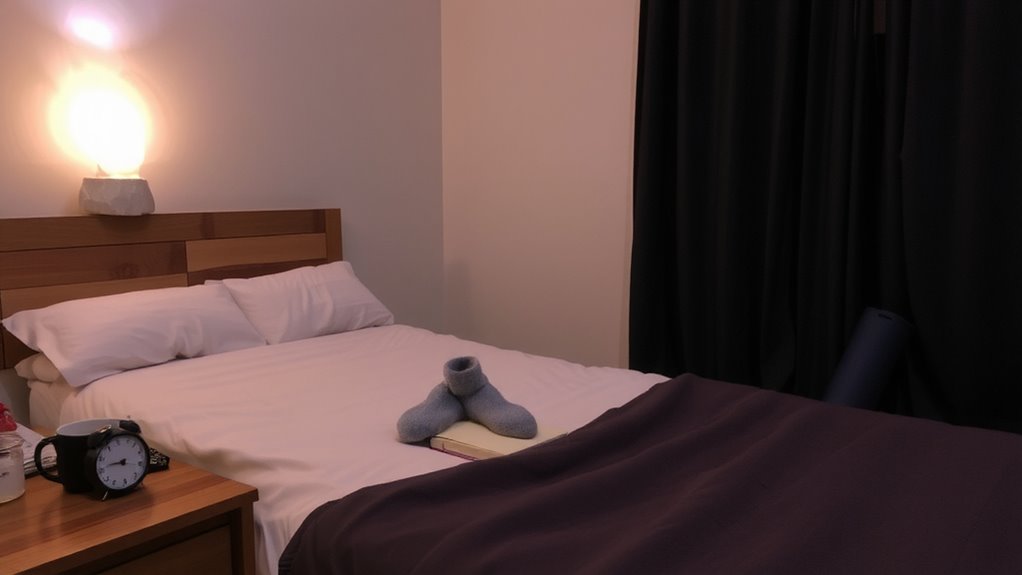
While your body prepares for rest, making small changes to your bedroom environment can support deeper, more consistent sleep. Lighting control is key-dim lights signal your brain to produce melatonin, so consider blackout curtains or a warm-toned nightlight. If outside light seeps in, look for window coverings with a high opacity rating and a tight seal around edges. For noise reduction, try soundproofing curtains or a white noise machine, both effective at minimizing disruptions. Devices with adjustable volume and multiple sound options let you tailor the experience. Some even include timers or automatic shutoff features. Test different settings over a few nights to see what helps you stay asleep. When choosing products, check return policies-you might need time to judge performance. Small investments in lighting control and noise reduction can improve sleep quality without medication. For maximum darkness and minimal light gap, consider best blackout curtains with thermal insulation and triple-weave fabric.
Unplug an Hour Before Bed
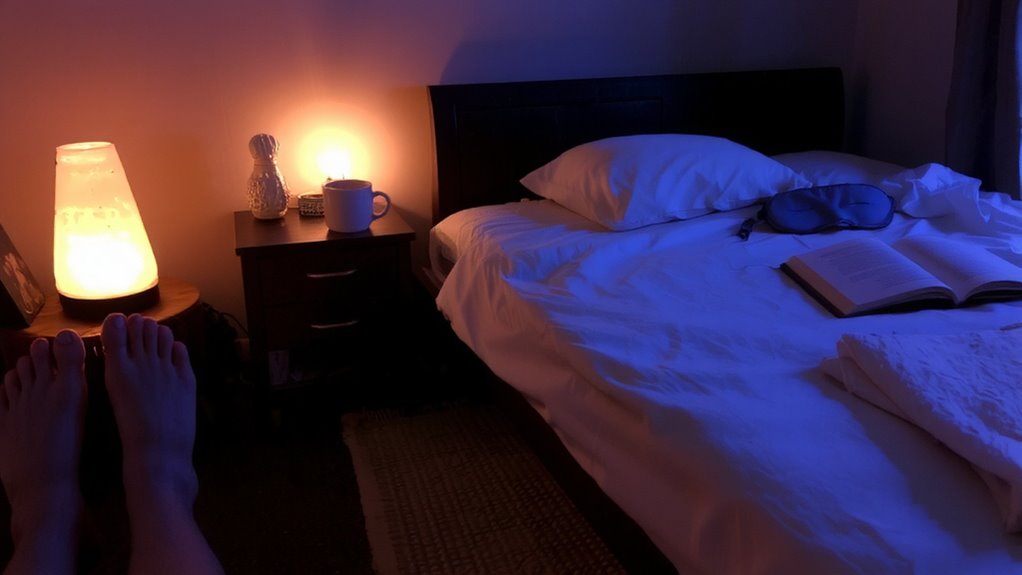
Turning off screens an hour before bed gives your brain time to wind down without the strain of bright light or constant alerts. That blue light from phones, tablets, and TVs can interfere with melatonin, the hormone that signals it’s time to sleep. Cutting back on screen time helps regulate your natural sleep-wake cycle. Think of this pause as a daily digital detox-your mind gets space to relax, process the day, and ease into rest. Instead of scrolling, try reading a book, journaling, or listening to soft music. These low-stimulus activities support mental clarity and physical calm. Reducing evening screen time doesn’t mean you must eliminate it entirely, but creating a buffer can improve sleep quality over time. It’s a simple, low-cost step backed by sleep research. Try it for a week and note any changes in how quickly you fall asleep or feel in the morning.
Loosen up With 5-Minute Pre-Sleep Stretches
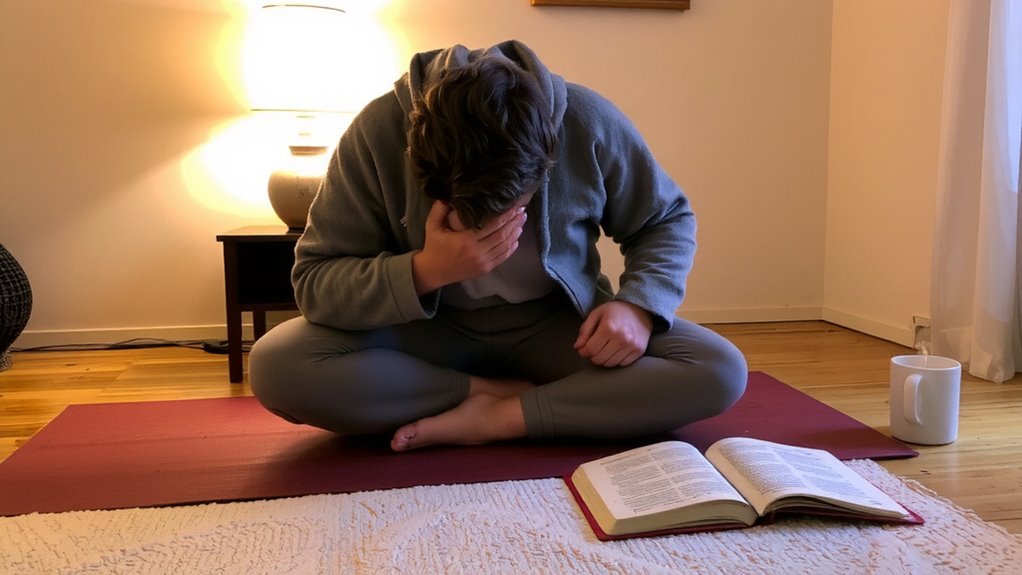
A short 5-minute stretching routine before bed can help release muscle tension and calm your nervous system, making it easier to shift into restful sleep. Gentle stretching increases blood flow and signals your body that it’s time to wind down. Focus on slow, controlled movements-like neck rolls, shoulder shrugs, and forward folds-to support muscle relaxation without strain. These stretches are simple to learn and require no equipment, making them a practical option if you experience tightness or discomfort at night. If you sit for long periods during the day, this routine may be especially beneficial. While stretching isn’t a substitute for medical treatment of sleep disorders, it’s a low-risk habit that can complement other strategies. Try it consistently for a week to assess improvements in comfort and sleep onset. Results vary, but many find they fall asleep faster and feel less restless.
Calm Your Mind in 5 Minutes
What if you could quiet your racing thoughts in just five minutes? You can, with mindful breathing and gratitude reflection. Sit comfortably, close your eyes, and inhale slowly through your nose for four counts-feel your chest rise, then exhale through your mouth for six. Repeat this pattern, letting each breath deepen your calm. This simple practice helps balance your nervous system, easing tension built up during the day. After two minutes, shift into gratitude reflection: recall three specific things you’re thankful for, like a warm cup of tea, a friend’s text, or quiet evening light. Holding these moments in your mind encourages positive neural patterns linked to sleep onset. Unlike sleep aids, which may carry dependency risks or side effects, these techniques are natural, cost-free, and backed by sleep research. You can try them tonight-no trial period needed, just commitment. They work best when practiced consistently, offering a sustainable path to better mental readiness for sleep. Research shows that incorporating sleep relaxation techniques into your nightly routine enhances both sleep quality and emotional resilience.
Write It Down: Journal to Clear Mental Clutter
You’ve already taken steps to quiet your mind with breathing and gratitude, but if thoughts still loop through your head-tasks, conversations, worries-writing them down can help. Grab a notebook and do a quick mental dump. Jotting everything out reduces mental clutter and eases the pressure of remembering. This simple act creates space for calm and supports emotional release, letting stress leave your mind before bed. You don’t need full phrases-just rough notes work. Some prefer lined paper, others use bullet points; pick what feels easiest. Consistency matters more than style. This isn’t about solving problems, just transferring them from mind to page. Over time, you’ll likely fall asleep faster and wake less at night. If racing thoughts often keep you up, this step may help more than sleep aids or supplements. It’s free, easy, and has no side effects-just clearer nights.
Make It Easy to Stay Consistent
Even though maintaining a nightly routine might seem challenging at first, making it part of your daily life gets easier when you design it to fit your habits. Start small-choose one or two calming activities and do them at the same time each night. This consistency supports routine reinforcement, helping your body recognize when it’s time to wind down. Use habit tracking to monitor your progress; a simple checkmark on a calendar can show streaks and highlight patterns. Seeing your consistency builds motivation without pressure. Pair your routine with cues like dimming lights or brewing herbal tea to strengthen the signal for sleep. If you miss a night, just resume the next day-perfection isn’t the goal. Flexibility within structure increases long-term adherence. Over time, these small acts become automatic, requiring less effort. This steady practice supports natural sleep cycles and reduces reliance on sleep aids, offering a sustainable path to better rest. Incorporating best sleep meditations can enhance relaxation and improve sleep quality over time.
How Nightly Habits Improve Sleep Quality
When you stick to a regular pre-bed routine, your body begins to recognize the signals that sleep is coming, making it easier to fall asleep and stay asleep through the night. Consistent nightly habits support good sleep hygiene and promote mental relaxation. Over time, this reduces restlessness and helps regulate your sleep cycle.
| Action | Benefit |
|---|---|
| Dimming lights | Signals your brain it’s time to wind down |
| Turning off screens | Reduces blue light exposure that disrupts melatonin |
| Practicing deep breathing | Lowers heart rate, supports mental relaxation |
| Following a set bedtime | Strengthens circadian rhythm and sleep hygiene |
These small choices add up, improving sleep quality naturally. You may find fewer nighttime awakenings and less grogginess in the morning. With time, your body adjusts, and better sleep becomes routine.
On a final note
You’re more likely to sleep deeply when your body and mind wind down consistently. A calm bedroom, screen-free time, light stretching, and journaling help signal it’s time to rest. These habits support natural sleep cycles without relying on aids. If problems persist, consider discussing options with a professional. Small, steady changes often provide clearer benefits than quick fixes, especially with long-term health.