The Role of Gauge in Innerspring Mattress Coil Strength and Longevity
Coil gauge tells you how thick the springs are in your mattress-lower numbers mean thicker coils that offer firmer support and resist sagging longer. If you’re heavier or sleep on your back or stomach, you’ll likely benefit from a 12–14 gauge for better durability and spine alignment. Lighter sleepers or side sleepers might prefer 15–18 gauge coils, which are softer and cushion pressure points. Thicker coils tend to last longer, especially along the edges. Choosing the right gauge helps balance comfort and longevity-factors that can shape your sleep quality over time. Understanding how coil construction aligns with your body and habits opens the door to smarter, more informed choices down the line.
Notable Insights
- Lower coil gauge numbers indicate thicker wires, which increase strength and provide firmer support.
- Thicker, lower-gauge coils resist compression better, enhancing mattress longevity and durability over time.
- Higher gauge coils use thinner wires, offering a softer feel but generally less resistance to long-term sagging.
- Proper coil gauge selection based on body weight improves spinal alignment and reduces wear in pressure zones.
- Lower gauge coils (12–15) deliver superior edge support and maintain structural integrity under prolonged use.
What Is Coil Gauge and Why Does It Matter?

Some innerspring mattresses use coil gauges ranging from 12 to 15, and that number actually tells you how thick the wire is-lower numbers mean thicker, heavier-gauge wire. You’ll find that wire thickness directly affects coil tension, giving the mattress a firmer feel. Thicker coils usually offer stronger support, which can help maintain spinal alignment as you sleep. If you have back pain or need extra stability, this might matter more to you. But higher tension doesn’t always mean better comfort-it depends on your weight and sleeping position. Lighter individuals may prefer slightly higher gauge (thinner) coils for a softer give. Mattresses with consistent coil tension across the surface tend to reduce motion transfer. Most brands let you test the bed for 90 nights, so you can judge firmness and support yourself. Check the warranty, too-some manufacturers cover sagging or coil breakdown beyond normal wear.
How Lower Gauge Coils Enhance Durability and Support
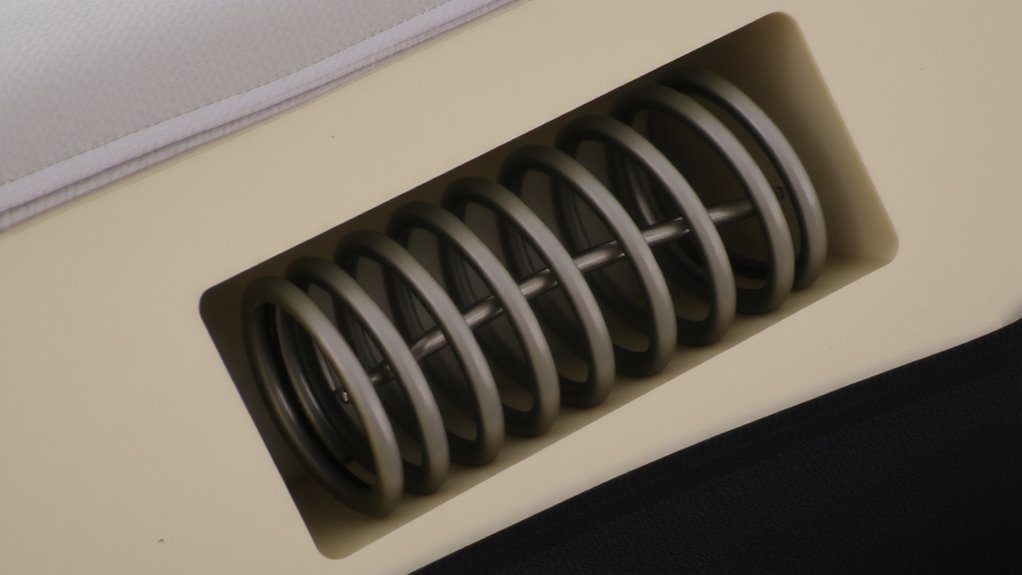
You’ve seen how coil gauge influences firmness and support, and now it’s worth looking at why lower gauge coils-those between 12 and 14-often stand up better over time. Thicker wires resist compression, meaning they hold their shape longer, especially under consistent weight. This durability supports better spinal alignment, which can ease discomfort linked to poor sleep posture. Many mattresses with lower gauge coils include reinforced edges, improving edge reinforcement so you don’t roll off and can sit or sleep near the perimeter. These coils also tend to work well with pocketed coil systems, enhancing motion isolation-so if your partner moves at night, you’re less likely to feel it. That’s helpful if you’re light-sensitive or managing insomnia. While firmer, they’re often paired with cushioning layers for balanced comfort. Check trial periods and warranty coverage to test support without risk.
The Truth About Higher Gauge Coils and Comfort

Most higher gauge coils, typically ranging from 15 to 18, are made from thinner wire, which gives them a softer, more pliable feel under pressure. You’ll notice this translates to gentler coil comfort, especially if you prefer a cushioned sleep surface. While they may not offer the same support as lower gauge springs, their flexibility can help cradle the body, easing pressure points. Keep in mind that material quality plays a big role-better steel resists sagging over time, maintaining performance. These coils often pair well with foam layers to enhance comfort without compromising resilience. If you’re lighter or sleep on your side, you might find this balance agreeable. Mattresses with higher gauge coils usually come with trial periods, so you can assess how they affect your sleep. Always check warranty terms, as durability varies based on construction and use.
Matching Coil Gauge to Your Sleep Needs
Thinner coils from higher gauge wires offer a softer feel, but your body weight and sleep position play a big role in deciding if that’s the right choice for you. If you’re lighter and sleep on your side, a higher gauge coil mattress may provide enough give to cushion your shoulders and hips without over-sinking. But if you have a heavier build or prefer back or stomach sleeping, lower gauge coils-thicker and sturdier-typically deliver better spinal alignment and support. Your sleep position affects pressure points, while body weight influences how much compression the coils experience nightly. Matching these factors helps maintain comfort and reduces the risk of waking stiff or achy. Many brands offer trial periods, so test how the mattress feels after several nights. Check the warranty, too, since it can reflect confidence in long-term performance.
How Coil Gauge Impacts Long-Term Support and Sag Resistance
A mattress with lower gauge coils-typically ranging from 12 to 15-uses thicker steel wires that resist compression better over time, which helps maintain support and reduce sagging, especially under consistent pressure from heavier body types or frequent use. You’ll notice the difference in edge support, as these sturdier coils resist collapse when sitting or sleeping near the perimeter. Better tension distribution across the coil system means your body stays aligned, reducing stress points that can disrupt sleep. Over years, this resilience helps the mattress retain its shape and performance. Higher gauge coils (16 and above) may feel adequate initially but often wear faster, particularly in high-pressure zones. If you prioritize durability and consistent support, especially with mobility concerns or shared use, a lower gauge offers measurable benefits. Always consider trial periods and warranties, since real-world testing confirms how well the coil system holds up.
On a final note
You’ll want a lower gauge coil-like 12 to 14-for stronger, longer-lasting support, especially if you need motion isolation or sleep with a partner. Higher gauge coils (15+) feel softer but may sag faster. Coil gauge, paired with coil count and layering, affects how well your spine stays aligned. Many brands offer 10-year warranties, so test options in-store or through home trials to match support with comfort.