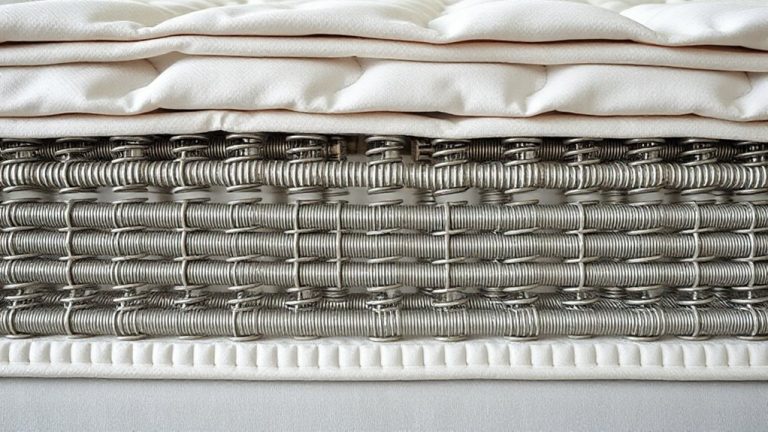
Aligning Occipital Bone Perfectly With Concave Depression in Premium Pillows
Your occipital bone aligns best when a premium pillow’s concave depression cradles it just above the neck, keeping your spine neutral. This reduces muscle tension and supports deeper sleep. Look for high-density memory foam that holds its shape, especially if you’re a side sleeper needing more loft. Adjustable fills and removable covers add customization, and many top brands offer trial periods and warranties, so you can test comfort risk-free-your ideal fit is within reach.
Notable Insights
- A concave depression in premium pillows cradles the occipital bone to maintain neutral spinal alignment.
- Properly contoured pillows support the natural curve of the neck and head for optimal positioning.
- High-density memory foam retains shape, ensuring consistent occipital bone alignment throughout sleep.
- Pillow loft should match sleep position and shoulder width to align the spine and head.
- Trialing pillows with adjustable firmness helps identify ideal support for personalized occipital alignment.
Why Occipital Bone Alignment Affects Sleep Quality
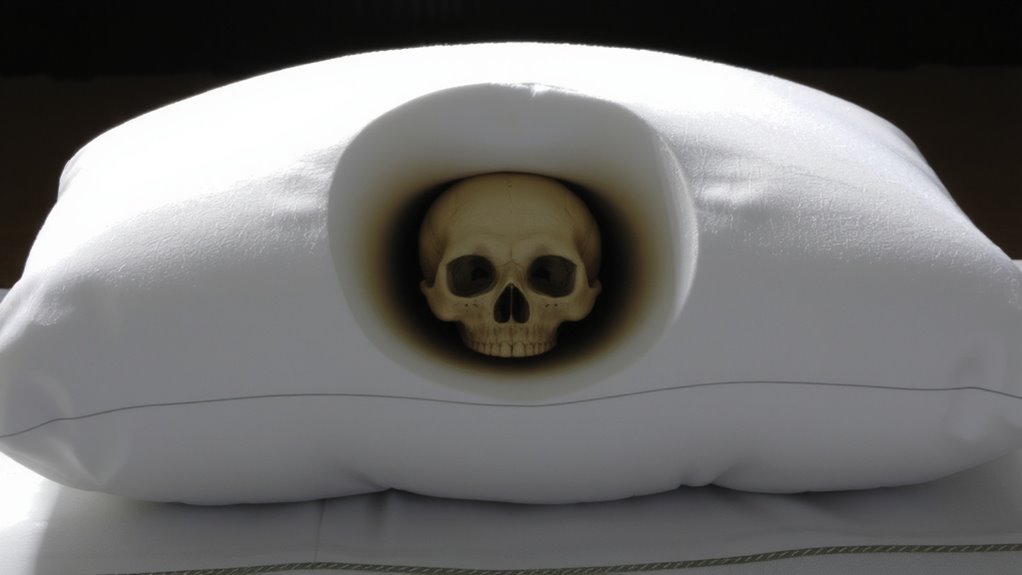
While your head rests on a pillow each night, the way your occipital bone-the bony base at the back of your skull-lines up with your spine can make a real difference in how well you sleep. It also reduces muscle tension, especially in your neck and shoulders, preventing stiffness that disrupts rest. When your spine stays neutral, your body doesn’t waste energy correcting posture, letting you stay in restorative sleep cycles longer. Pillows with a concave depression cradle the occipital bone just right, maintaining this balance without over-elevation. Look for models with responsive foam or adjustable fills, so you can test firmness levels. Many offer trial periods-use them to assess comfort over several nights. A proper fit won’t fix sleep disorders alone, but it can improve sleep quality by supporting your body’s natural alignment, potentially reducing reliance on sleep aids. People with dowager’s hump often benefit from specialized pillows that accommodate cervical changes.
Signs Your Pillow Misaligns Your Neck and Head
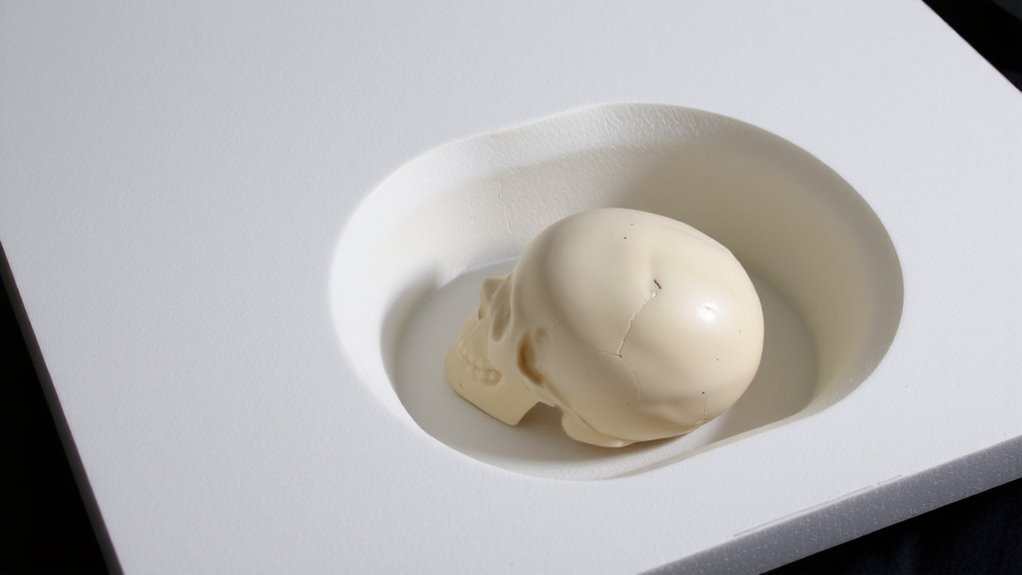
If you wake up with a stiff neck or feel tension starting at the base of your skull, your pillow might not be supporting proper alignment of your head and neck. Poor pillow firmness can cause your head to tilt too high or sink too low, straining muscles and misaligning the occipital bone. You might also notice numbness in your shoulders or frequent headaches in the morning-signs your pillow isn’t maintaining a neutral spine. Over time, lack of material durability leads to lumps, flattening, or uneven support, worsening alignment issues. A pillow that sags within months won’t sustain proper contouring, even if initially comfortable. Check how often you adjust your pillow at night; constant shifting suggests inadequate support. Look for models with tested resilience and trial periods, so you can assess performance over real sleep cycles. Good alignment feels stable, not something you have to fight. For cervicogenic headache relief, consider best pillows for cervicogenic headaches that are specifically designed to support cervical alignment and reduce strain.
How Sleep Position Determines Your Ideal Pillow
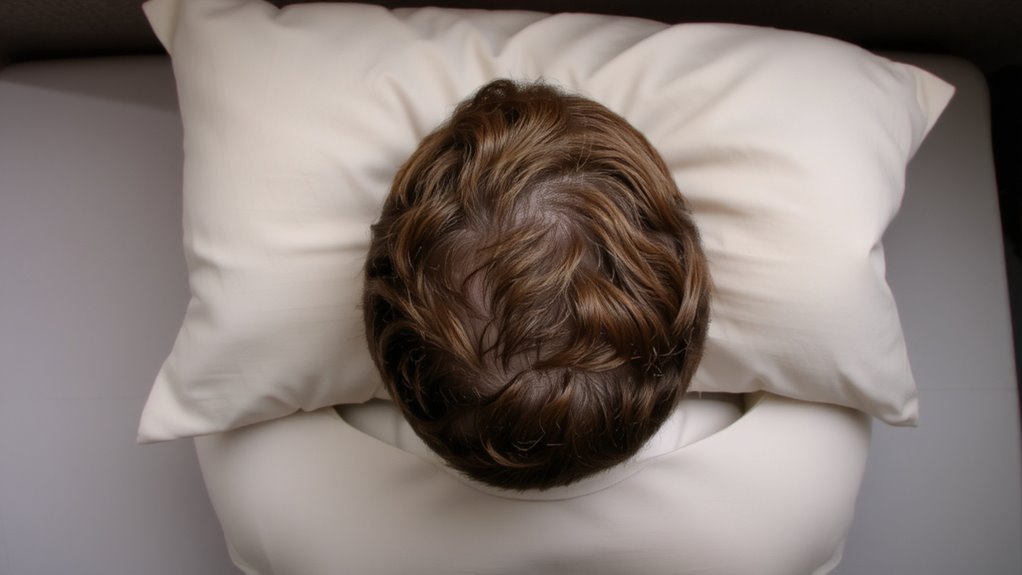
Why do some pillows feel right for side sleeping but fall short for back or stomach sleepers? Your sleep posture directly affects the head elevation you need. Side sleepers usually require higher pillows to keep the neck aligned, filling the gap between shoulder and head. Back sleepers need moderate lift to support the natural curve without overextending. Stomach sleepers benefit most from thin pillows, minimizing head elevation to avoid strain. The wrong support can misalign your occipital bone, disrupting rest. Premium pillows often adjust for these differences through varied loft and firmness. When choosing, consider your usual sleep posture and test options with trial periods. Look for warranties that allow returns if alignment isn’t achieved. A well-matched pillow supports consistent, comfortable positioning all night. For stomach sleepers, selecting the best pillows for stomach sleepers can make a significant difference in spinal alignment and comfort.
How Contour Pillows Support Natural Neck Curves
A contoured design keeps your neck aligned by matching the natural curve of your spine. When you lie down, the elevated edges of the pillow provide targeted cervical support, cradling your neck while keeping your head from tilting too far forward or back. This ergonomic design reduces strain on muscles and joints, which can ease neck pain over time. Memory foam models respond to your body heat, molding gently to maintain proper alignment. For side sleepers, the higher loft supports the wider space between shoulder and neck. Back sleepers benefit from moderate rise to preserve the spine’s gentle curve. Many brands offer trial periods, letting you test comfort and support over several weeks. Look for models with removable covers for easy cleaning and breathable materials to regulate temperature. A well-chosen contour pillow improves sleep posture, potentially reducing morning stiffness and improving rest quality.
Key Features of a Pillow That Aligns the Occipital Bone
You’ve likely noticed how a well-shaped contour pillow supports your neck, but proper alignment doesn’t stop there-it extends to the back of your head, where the occipital bone rests. A pillow that aligns this bone right has a clearly defined concave center, shaped to cradle your skull just above the neck. Pillow thickness matters-too high or too low shifts the head forward or back, straining muscles. Ideal thickness matches your shoulder width and sleep position. Material density also plays a role; high-density memory foam holds its shape longer, offering consistent support night after night. Softer foams may compress too soon, losing alignment. Many premium models pair medium-firm density with a washable cover and include a trial period, so you can test comfort risk-free. Look for these features to support both spine and sleep quality.
On a final note
You’ll sleep better when your pillow holds the occipital bone snug in its curve, keeping your neck neutral. Memory foam or adjustable designs often offer the support and contour depth needed, especially if you’re a side or back sleeper. Look for models with removable inserts or trial periods-testing comfort over a few nights helps. A good pillow balances firmness and give, aligning your head without pressure. Check warranties, too, in case it doesn’t work long-term.