Refining Sleep Environment Lighting to Stimulate Endogenous Vitamin D Activation Pathways
You won’t produce vitamin D overnight, no matter how you adjust your bedroom lighting. Regular lamps and infrared devices don’t emit the UVB rays needed for synthesis. However, using red or amber lights can support melatonin release and circadian alignment, helping your body better regulate vitamin D metabolism during sleep. Some infrared lamps offer timers and FDA-cleared safety for nighttime use, with trial periods. For real gains, combine consistent sleep with tested supplements-options with guarantees make trying them low-risk. There’s more to match your routine with.
Notable Insights
- Nighttime lighting lacks UVB wavelengths needed for endogenous vitamin D synthesis in the skin.
- No indoor sleep environment lighting can directly stimulate vitamin D production like midday sunlight.
- Circadian-aligned sleep supports metabolic processes that optimize vitamin D utilization overnight.
- Infrared therapy devices may aid sleep quality but do not activate vitamin D synthesis pathways.
- Focus on daytime UVB exposure and supplementation, not nighttime lighting, for effective vitamin D activation.
Can Nighttime Light Help You Make Vitamin D?
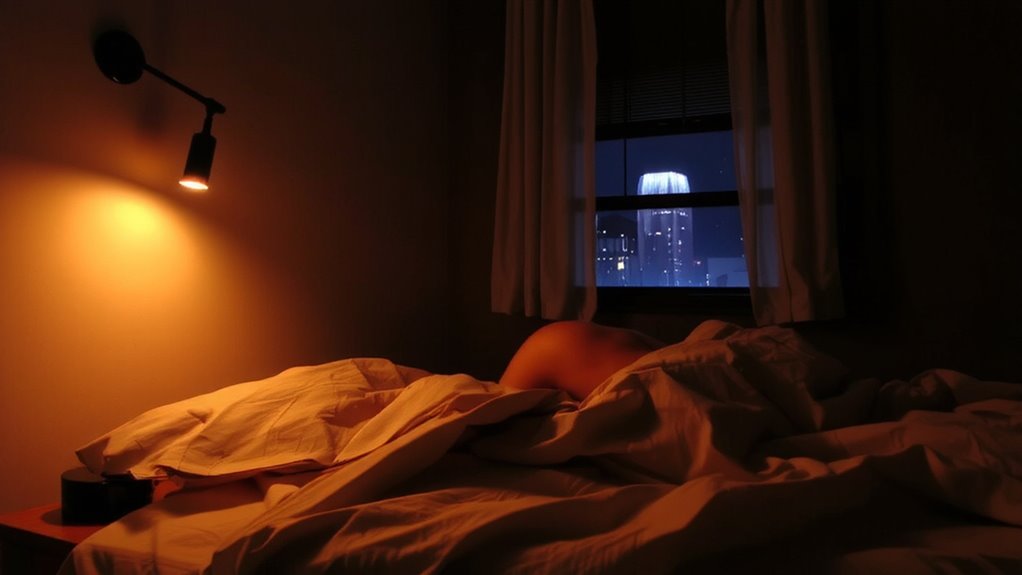
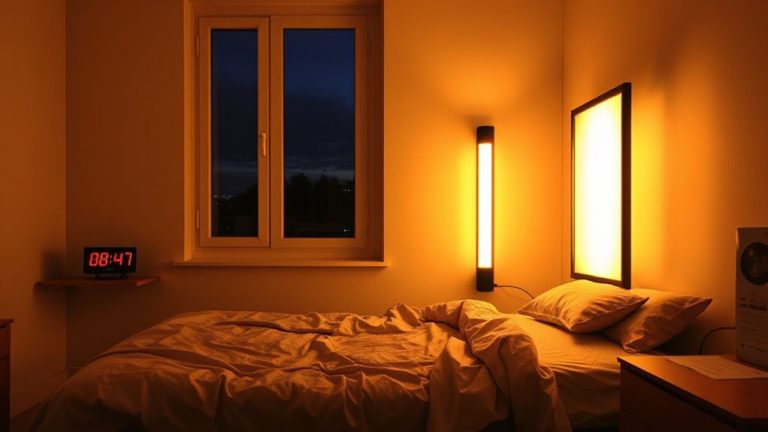
Could your nighttime lighting choices play a role in vitamin D production? While moonlight exposure offers minimal biological impact, it doesn’t trigger vitamin D synthesis. Still, your sleep environment’s lighting can influence circadian rhythms, indirectly affecting hormonal balance linked to nutrient metabolism. You might consider low-level infrared therapy devices, designed to emit gentle, sleep-compatible wavelengths. These don’t produce vitamin D directly but may support cellular repair and melatonin regulation during rest. Some models feature timers, adjustable intensity, and FDA-cleared status for nighttime use, with trial periods up to 30 days. Performance varies based on placement-typically, 12–18 inches from the bed-and consistent nightly use. Unlike bright or blue-enriched lights, infrared wavelengths avoid circadian disruption. Though not a substitute for sunlight, pairing infrared therapy with balanced daytime habits could complement overall wellness. Choose devices with clear safety certifications and transparent warranty terms to guarantee value.
How UVB Light Triggers Vitamin D: And Why Bedtime Exposure Won’t Work
You’ve likely heard that light plays a role in vitamin D production, but not all light has the same effect-especially at night. The UVB mechanism that triggers vitamin D requires direct exposure to sunlight’s UVB rays, which most indoor lighting doesn’t emit. When UVB photons reach your skin, they convert a precursor molecule into vitamin D through skin synthesis. But this only happens efficiently during midday sunlight, not under bedroom lamps or screens. Bedtime exposure to ordinary light won’t stimulate vitamin D because it lacks the right wavelength and intensity. Even specialized lights would need careful use to mimic UVB safely-most aren’t designed for it. Relying on nighttime light risks disrupting sleep without benefit. For support, focus on daytime sun exposure and proven sleep aids that don’t interfere with natural processes.
Do Circadian Rhythms Influence Vitamin D Levels Overnight?
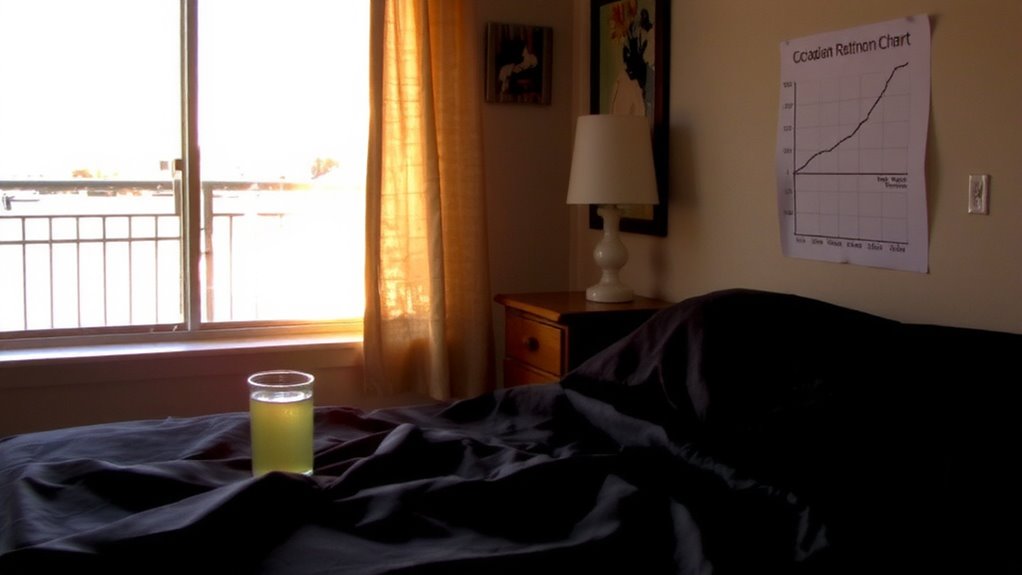
Why might your body’s internal clock affect how it handles vitamin D while you sleep? Your circadian rhythms regulate key nighttime processes, including hormonal fluctuations that influence nutrient metabolism. While you rest, these rhythms help manage calcium and vitamin D activation, aligning them with your daily cycle. However, melatonin interference may slightly disrupt vitamin D receptor sensitivity, especially if sleep timing is irregular. This doesn’t stop vitamin D function but can affect efficiency. Shift workers or those with inconsistent sleep schedules often show altered vitamin D patterns, likely due to misaligned hormonal cues. Maintaining steady sleep habits supports ideal metabolic coordination. If you use sleep aids, choose options that don’t overly suppress natural melatonin peaks. Though no direct overnight synthesis occurs, circadian alignment helps your body use vitamin D more effectively by morning. Prioritizing consistent, high-quality sleep enhances this balance without added risk.
Can Indoor Lights or Lamps Boost Vitamin D Safely?
Your body relies on sunlight to produce vitamin D, but most indoor lights don’t deliver the right kind of rays for this process, even if your circadian rhythms are well-aligned through consistent sleep. Standard bulbs lack sufficient light intensity and the necessary spectrum quality, specifically UVB radiation, which triggers vitamin D synthesis in your skin. While some specialty lamps mimic sunlight, they vary widely in performance and safety. Without proper filtration, you risk overexposure to harmful UV rays. Even with high light intensity and improved spectrum quality, these devices aren’t proven to reliably boost vitamin D without potential skin or eye risks. Their construction often prioritizes brightness over targeted UV output, and warranties rarely cover health-related misuse. If you’re considering one, check third-party testing data and consult a healthcare provider. For now, these lamps aren’t a safe substitute for natural sunlight exposure under responsible conditions.
Better Ways to Maintain Vitamin D Without Sunlight
How can you keep your vitamin D levels steady without relying on sun exposure? Dietary supplementation offers a reliable alternative, especially in low-light seasons or for those with indoor-focused lifestyles. Vitamin D3 supplements, in particular, are effective at raising serum levels, and many come in adjustable doses with clear labeling for tracking intake. Absorption varies, though-genetic variability affects how your body processes and activates vitamin D, meaning ideal dosages can differ notably between individuals. Talk to your healthcare provider about blood testing to tailor your regimen. While consistent sleep and melatonin balance support metabolic health, supplements work behind the scenes to sustain nutrient levels. Look for third-party tested brands offering trial periods or money-back guarantees, so you can assess effectiveness without risk. Used wisely, dietary supplementation fits seamlessly into routines focused on long-term wellness and sleep quality.
On a final note
You can’t make vitamin D from light at night, even if it contains UVB, because your body’s production relies on daytime sun exposure and skin activation. Nighttime lighting might disrupt sleep instead. For better vitamin D, rely on sunlight, diet, or supplements proven to work. Choose sleep-friendly lighting that supports circadian rhythms-warm, dim lights in the evening help. Test changes gradually, and check product warranties when trying light therapy lamps, just in case.