The Role of Core Body Temperature in Delayed Sleep Phase Disorder
Your core body temperature naturally drops in the evening, signaling it’s time to sleep, but in Delayed Sleep Phase Disorder, this cooling happens too late. This delay keeps you alert past midnight, even when tired. Light exposure at night, especially from screens, pushes the temperature drop later by confusing your internal clock. Cooling strategies like cold showers or a colder bedroom can help shift the timing earlier. Tracking your thermal rhythm with wearables may reveal patterns to improve sleep scheduling-there’s more to discover about aligning your body’s cues.
Notable Insights
- In DSPD, the evening decline in core body temperature is delayed, contributing to later sleep onset.
- Delayed temperature drop aligns with late melatonin release, reinforcing circadian misalignment.
- Core body temperature naturally cools to initiate sleep, but this signal occurs too late in DSPD.
- Evening light exposure, especially blue light, delays the temperature drop and worsens sleep timing.
- Cooling strategies like cold showers and lower bedroom temperatures can help advance sleep onset in DSPD.
Defining Delayed Sleep Phase Disorder
If you’ve ever struggled to fall asleep until well past midnight, even when tired, you might be dealing with delayed sleep phase disorder (DSPD). This condition stems from circadian misalignment, where your internal body clock runs later than typical sleep-wake cycles. You may feel fully alert at night but groggy in the morning, no matter how hard you try to adjust. The core issue often links to melatonin timing-your brain releases this sleep-related hormone too late in the evening. Unlike insomnia, DSPD isn’t about difficulty sleeping overall, but when sleep happens. You can still get restful sleep, just at delayed hours. Treatments focus on resetting your rhythm through light exposure, scheduled sleep times, and carefully timed melatonin supplements. Accurate diagnosis helps rule out other issues and guides effective, personalized strategies.
How Body Temperature Controls Sleep Timing
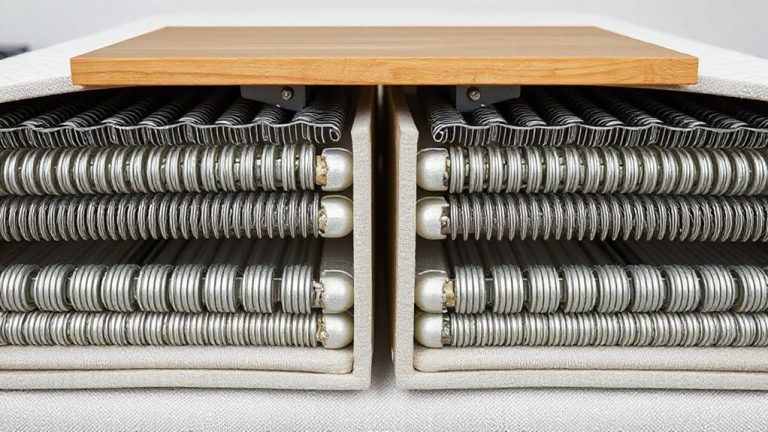
Though your body’s internal clock runs on a nearly 24-hour cycle, one of the strongest signals it uses to time sleep is core body temperature. As evening approaches, your temperature begins to drop, signaling your brain that it’s time to wind down. This natural decline supports circiacadian alignment, helping your sleep schedule stay consistent with environmental darkness. The metabolic influence on this process is significant-factors like meal timing and physical activity can shift when your temperature falls. Recognizing these cues allows you to adjust bedtime routines, optimizing conditions for sleep onset. Using this knowledge, you might choose earlier meals or cooling bedroom environments to support earlier sleep. Devices like temperature-regulating mats or wearable trackers can aid in monitoring patterns. These tools offer trial periods and warranties, letting you test their fit. Aligning habits with your body’s thermal rhythm offers a practical path toward better sleep timing. For enhanced cooling during sleep, consider a cool mattress topper designed to regulate surface temperature.
Why Body Temperature Drops Late in DSPD
Because your body relies on temperature changes to time sleep, a delayed drop in core temperature can push your sleep schedule later, which is common in Delayed Sleep Phase Disorder (DSPD). This shift isn’t just bad habits-it’s often tied to genetic predisposition, meaning your biology may naturally delay nighttime cooling. Hormonal fluctuations, especially in melatonin and cortisol, also play a role by altering when your body signals rest. These internal rhythms affect how quickly and deeply your temperature falls each evening. If yours drops late, falling asleep early becomes nearly impossible. Recognizing this helps you choose appropriate interventions, like timed light therapy or prescribed melatonin, under medical guidance. Sleep aids may offer short-term help, but they don’t reset your temperature rhythm. Solutions focusing on circadian alignment tend to be more effective long-term, especially when consistent. Understanding your body’s timing helps you make informed choices.
How Light Delays Your Body’s Temperature Clock
Exposure to light, especially in the evening, directly affects when your core body temperature begins to drop. Blue light from screens or bright indoor lamps tricks your brain into thinking it’s still daytime, delaying the usual evening cooldown. This shift contributes to circadian misalignment, where your internal temperature rhythm runs out of sync with desired sleep times. Light exposure triggers photoreceptors in your eyes, sending signals for neural resetting of your body clock. The later the light, the more your temperature minimum shifts toward morning. Over time, this delay makes falling asleep earlier nearly impossible without intervention. Using dim, warm lights at night and limiting screen time can reduce this effect. These steps support a healthier temperature and sleep rhythm. Consistent adjustments may improve sleep onset and reduce reliance on sleep aids. Cooling your sleeping environment with a sleep temperature regulation system can enhance the body’s natural drop in core temperature, promoting earlier and more restful sleep.
Why Your Body Warms Up Too Late in DSPD
Your body’s natural rise in core temperature, usually a signal that morning is near, often runs late if you’re dealing with Delay deficiency of temporo-spatial alignment, where your internal clock shifts later than typical, pushing wakefulness and body warming into the late morning or even afternoon. Much of this shift ties to genetic predisposition-many with DSPD inherit circadian traits that naturally run on a longer cycle. As a result, even if you try to wake early, your temperature hasn’t begun rising yet, making alertness hard to achieve. This misalignment affects sleep drive timing, hormone release, and body functioning throughout the day. Recognizing the role of temperature and timing helps inform choices about light exposure, sleep scheduling, and whether to contemplate timed melatonin or other tools backed by research.
Cooling Strategies to Shift Sleep Earlier
A cooler core temperature signals your body it’s time to prepare for sleep, and taking control of this process can help shift your schedule earlier. Taking cold showers about 90 minutes before bed lowers your core temperature, which may prompt earlier sleep onset. The sudden cool-down mimics your body’s natural thermal drop, supporting your internal clock. Evening walks outdoors, especially in natural light, combine mild physical activity with environmental cooling, reinforcing circadian cues. These walks don’t need to be long-20 to 30 minutes is often enough. Cold showers require no special equipment but might feel uncomfortable at first; easing into cooler water helps. Evening walks are low-risk and offer added benefits for mood and digestion. You can try both strategies separately or together, tracking changes over a week or two. Adjust timing based on how quickly you fall asleep and how you feel in the morning.
How to Track Your Body Temperature Rhythm
How do you know when your body temperature naturally dips each night? Tracking your rhythm helps identify patterns linked to sleep timing. With wearable devices and consistent temperature logging, you gain clear insight into your body’s cues. These tools measure subtle changes, especially the nightly dip that signals sleep readiness. Best sleep trackers can provide detailed thermal profiles throughout the night, enhancing your understanding of sleep quality. Below are common methods:
| Method | Features |
|---|---|
| Wearable devices | Track continuously, sync to apps, comfortable for sleep |
| Oral thermometer logging | Low-cost, requires manual entry, less precise |
| Continuous skin sensors | Near-core estimates, good for research, may need calibration |
Choose based on comfort and accuracy needs. Wearables offer ease but check battery and data privacy. Manual logging works but demands discipline. For reliable results, record at the same time each day. Trial periods help assess fit. Understanding your rhythm guides better sleep decisions.
On a final note
You can manage delayed sleep phase disorder by aligning your core body temperature rhythm with desired sleep times. Cooling your body in the evening, limiting light at night, and tracking temperature shifts help reset your internal clock. Simple, consistent changes often work better than sleep aids, though some try melatonin under guidance. Results vary, so track progress over weeks. Most strategies are low-risk, with gradual improvements possible through patience and routine.