Sleep Disruption During Menopause: Hormonal Influences and Interventions
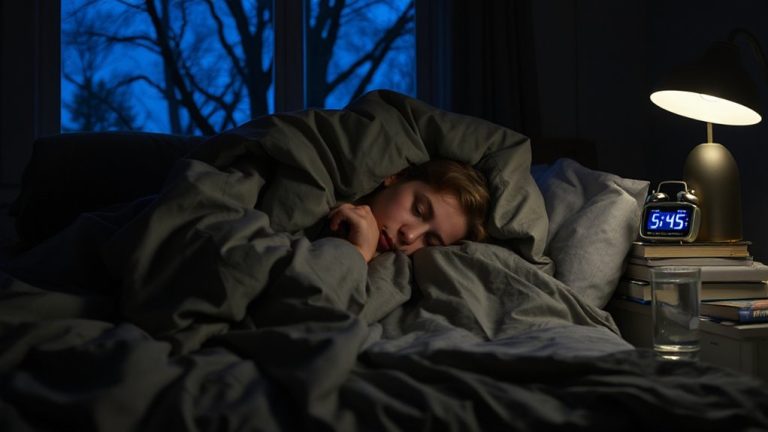
Your sleep changes during menopause because shifting estrogen and progesterone levels disrupt temperature control and circadian rhythms, often triggering night sweats and early awakenings. Hot flashes can wake you suddenly, while cortisol spikes may keep you up at 3 a.m. Cooling bedding and breathable pajamas help manage discomfort. Insomnia, sleep apnea, or restless legs syndrome become more common, so tracking symptoms and considering sleep studies makes sense. Hormone therapy may stabilize sleep cycles, and FDA-approved non-hormonal medications offer nightly support without habit-forming risks. Lifestyle changes like reducing caffeine, staying active, and keeping a consistent bedtime improve sleep quality over time. Solutions vary, but exploring them can lead to better nights.
Notable Insights
- Fluctuating estrogen and progesterone levels disrupt thermoregulation, triggering night sweats and sleep interruptions.
- Hot flashes at night elevate body temperature, causing sudden awakenings and soaked bedding.
- Shifting hormones destabilize the circadian rhythm, increasing early morning awakenings linked to cortisol spikes.
- Insomnia, sleep apnea, and restless legs syndrome become more common due to hormonal changes.
- Hormone therapy and non-hormonal treatments like serotonin modulators or melatonin can improve sleep quality.
Why Menopause Wrecks Your Sleep

Why does sleep feel so out of reach during menopause? Because your body’s changing, and hot flashes often strike without warning. You might feel a sudden heat creep up your neck and face, even at night. That’s when night sweats kick in-soaking your clothes and sheets, making sleep uncomfortable. These symptoms come from shifting estrogen and progesterone levels, both of which affect your body’s temperature control and sleep cycles. You’re not alone-most women experience some form of sleep disruption during this phase. Cooling bedding, breathable pajamas, and a room thermometer can help manage hot flashes. While some turn to hormone therapy, others explore non-hormonal sleep aids after checking with their doctor. Most treatments come with clear instructions, trial periods, or warranties, so you can test what works. The goal isn’t perfection-it’s better, not flawless, rest. For added comfort, consider a best blanket for menopause designed to regulate temperature throughout the night.
Why You Wake Up at 3am (And How to Stop It)?
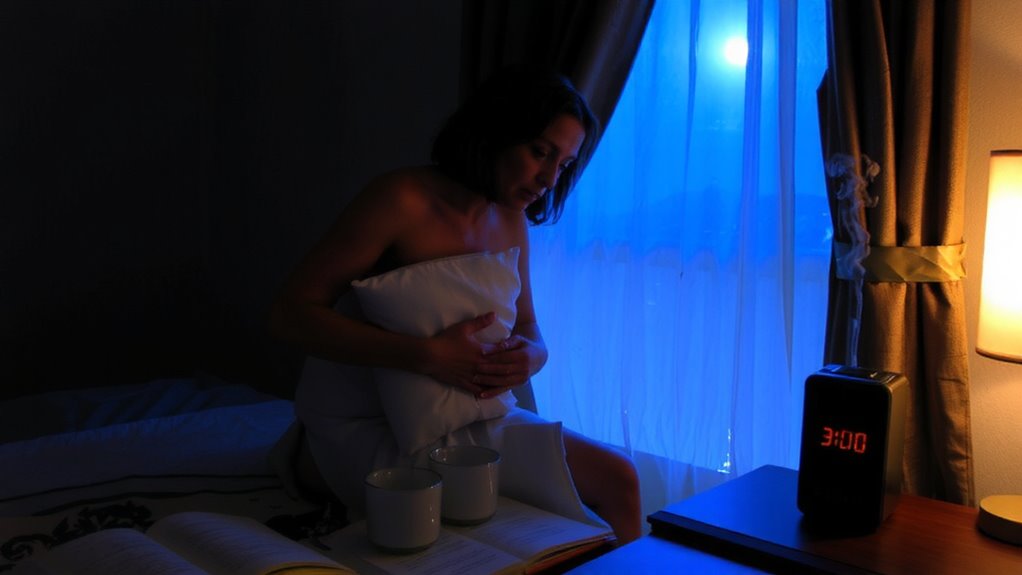
Ever found yourself wide awake at 3 a.m., staring at the ceiling while your mind races through tomorrow’s to-do list? That sudden alertness isn’t random-it often ties to shifts in your circadian rhythm, which can become more fragile during menopause. As hormone levels dip, your body’s internal clock may misfire, causing you to wake prematurely. At the same time, a heightened stress response can kick in, releasing cortisol and making it hard to relax back to sleep. You’re not alone, and it’s not just in your head. Simple changes like keeping a consistent bedtime, reducing evening screen time, and practicing deep breathing may help reset your rhythm. Try not to check the clock; it fuels anxiety. If this happens often, consider tracking patterns for a few weeks before discussing them with a provider. Small adjustments can improve sleep continuity without immediate need for sleep aids.
Is It Insomnia? Common Sleep Disorders in Perimenopause
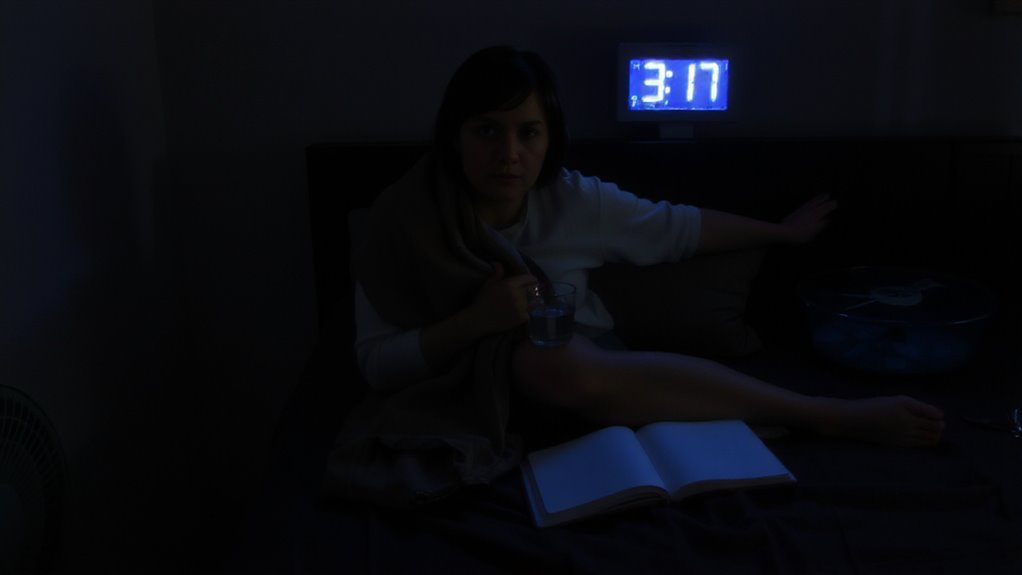
Could it be more than just restless nights? You might be facing insomnia or another sleep disorder during perimenopause. Insomnia often shows up as trouble falling or staying asleep, but other conditions could be at play. Sleep apnea, where breathing pauses during the night, can cause frequent awakenings and daytime fatigue-even if you don’t snore. Restless legs, a tingling or crawling sensation that worsens at rest, can also disrupt your ability to fall asleep. These disorders are more common during hormonal shifts. Unlike typical menopausal sleep issues, they often need specific diagnosis and treatment. A sleep study can help identify sleep apnea, while blood tests may reveal imbalances linked to restless legs. Recognizing symptoms early helps guide whether lifestyle changes alone are enough or if medical evaluation is needed. Some women may find additional support through best melatonin supplements designed specifically for menopause relief.
Use Lifestyle Changes to Improve Menopause Sleep
A good night’s sleep during menopause often starts with changes you can make in your daily routine. Simple adjustments like diet modification and stress management can have meaningful effects. Reducing caffeine, avoiding heavy meals at night, and limiting alcohol help stabilize sleep patterns. Regular physical activity supports both mood and sleep, but avoid intense workouts close to bedtime. Practices like deep breathing or gentle yoga aid stress management, easing the mind for rest.
| Strategy | Benefit | Tip |
|---|---|---|
| Diet modification | Balances energy & digestion | Eat more fiber, less sugar |
| Stress management | Calms nervous system | Try 10-minute nightly meditation |
| Sleep schedule | Regulates circadian rhythm | Go to bed and wake at same time daily |
These lifestyle changes work best when used consistently. Give each a few weeks to assess impact.
Does Hormone Therapy Improve Sleep?
Why might hormone therapy make a difference in how well you sleep during menopause? Because it helps stabilize the hormone fluctuations that disrupt your body’s natural rhythms. When estrogen and progesterone levels swing or drop, they can interfere with your sleep architecture-meaning the cycles of light, deep, and REM sleep you rely on for rest. Hormone therapy may help restore more balanced patterns, making it easier to fall asleep and stay asleep. You might notice fewer nighttime awakenings and less early-morning wakefulness. However, results vary from person to person. Some women report significant improvements, while others see modest changes. It’s important to weigh the potential benefits against possible risks and side effects. Therapy types, doses, and delivery methods-like pills, patches, or gels-also affect outcomes. Talk with your doctor to see if hormone therapy fits your sleep needs and overall health plan.
FDA-Approved Non-Hormonal Treatments for Menopause Insomnia
How do you find relief from insomnia during menopause without using hormones? You have FDA-approved non-hormonal options that target brain chemistry directly. One common choice is a medication designed for sleep, approved specifically for menopause-related insomnia. It works through serotonin modulation, gently influencing mood and sleep signals in your brain. This helps restore neurotransmitter balance, which often shifts during menopause and contributes to sleep troubles. You take it nightly, and many women notice improvements in falling and staying asleep within weeks. It isn’t habit-forming like some sleep aids and comes with a standard prescription warranty through insurance. Side effects are usually mild but can include dizziness or dry mouth. Talk with your doctor about whether this fits your health profile, especially if you’re managing other conditions. It’s a structured option when hormones aren’t your preference.
Build a Better Bedtime Routine for Menopause
You’ve looked at FDA-approved medications that help with menopause-related insomnia by adjusting brain chemistry, and now it’s time to explore changes you can make to your nightly habits. Improving sleep hygiene and practicing relaxation techniques can make a real difference. Stick to a consistent sleep schedule, even on weekends, and limit screen time an hour before bed. Create a calm environment-cool, dark, and quiet. Consider reading or gentle stretching to wind down.
| Strategy | Benefit |
|---|---|
| Dim lights at night | Signals your body it’s time to sleep |
| Avoid caffeine after noon | Reduces sleep disruptions |
| Try deep breathing or meditation | Enhances relaxation techniques |
These habits support natural sleep cycles. You might not notice changes overnight, but with consistent practice, better rest is possible. Track progress over two to three weeks to decide what’s working.
On a final note
You’re not alone-sleep changes in menopause are common, but manageable. Hormonal shifts can disrupt your cycle, yet solutions exist. Lifestyle tweaks, like cool bedding or caffeine limits, often help. Hormone therapy may improve sleep for some, while others benefit from FDA-approved non-hormonal options. A consistent bedtime routine supports better rest. Talk to your doctor, review risks and benefits, and try one change at a time. Most find relief with patience and the right mix.