Adolescent Sleep Needs: Supporting Teens Through Biological Sleep Phase Delays
Your teen’s body naturally shifts sleep later by one to three hours, releasing melatonin around 10 or 11 p.m., making early bedtimes tough. Early school starts cut into needed 8–10 hours of sleep, harming focus, mood, and learning. Limit screens before bed to reduce blue light delays to melatonin, and try morning sunlight to reset the internal clock. A cool, quiet room and consistent routines help too-simple changes can make a real difference in how you feel each day, with more strategies available to support lasting results.
Notable Insights
- Teenagers experience a biological shift delaying sleep onset by one to three hours due to later melatonin release.
- Adolescents need 8–10 hours of sleep nightly, but early school schedules conflict with their natural circadian rhythm.
- Sleep deprivation impairs memory, attention, emotional regulation, and increases risks for anxiety and depression.
- Evening screen use delays melatonin production; reducing blue light exposure before bed supports healthier sleep.
- Consistent bedtime routines and a sleep-friendly environment improve sleep quality and help align circadian rhythms.
Teens’ Delayed Sleep Cycles Explained
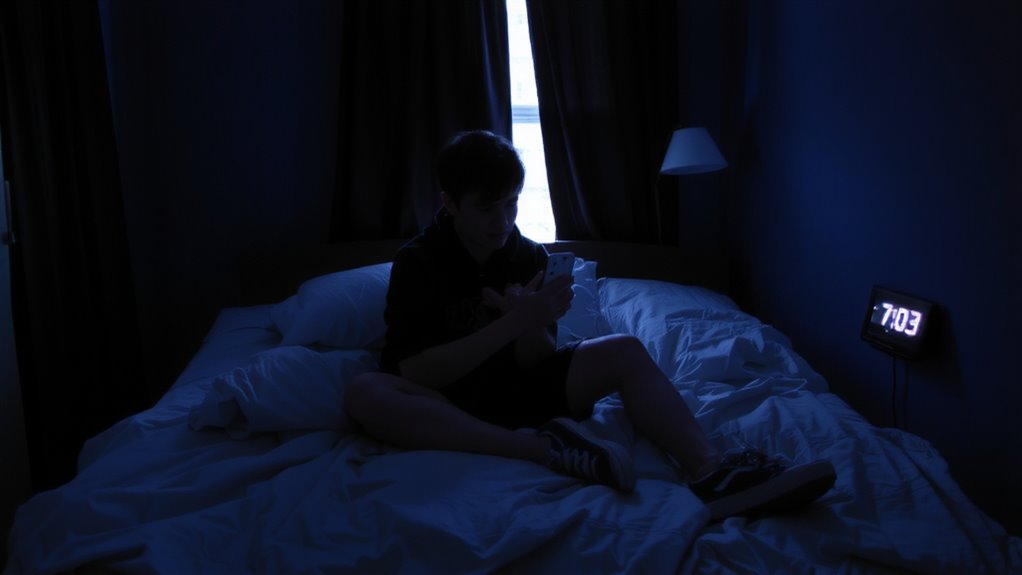
While your body clock shifts during adolescence, making it harder to fall asleep early, this change is a normal part of development. Your circadian rhythm naturally delays, pushing bedtime later by one to three hours. This shift isn’t laziness-it’s biology. Melatonin release starts later in the evening, usually around 10 or 11 p.m., so you don’t feel sleepy right after school or dinner. Because of this, trying to fall asleep at 9 p.m. often feels impossible. This delayed cycle means your best sleep comes when you wake later too, which conflicts with early school schedules. Light exposure, especially from screens at night, can further delay melatonin release. Consider dimming lights and reducing screen use before bed to support your natural rhythm. Some use sleep aids, but they’re not always necessary-adjusting routines often helps more. Talk to a doctor if sleep problems persist, as they could signal a disorder. Certain magnesium supplements for teens may also support relaxation and sleep quality when combined with healthy habits.
How Sleep Loss Hurts Grades and Mood
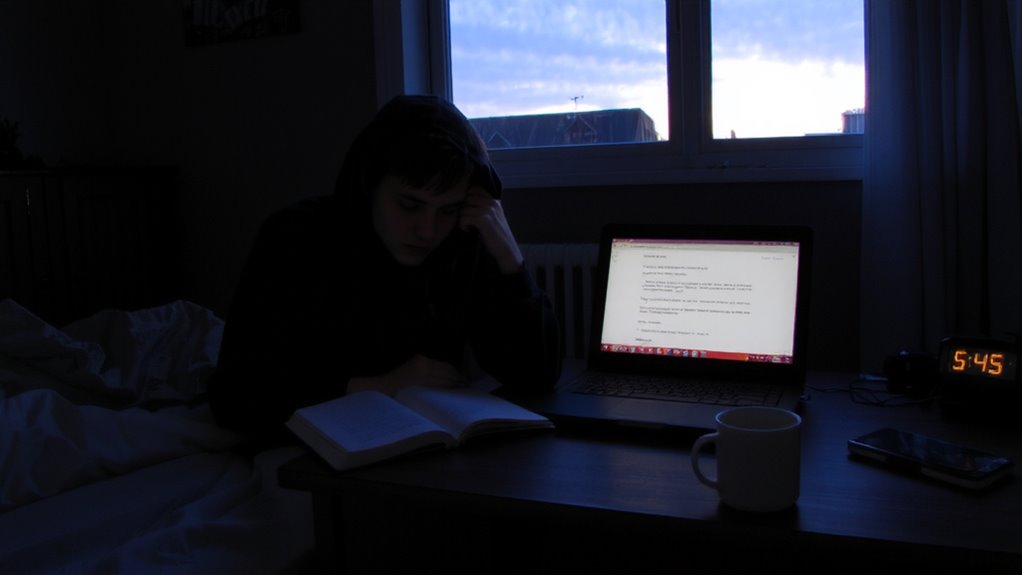
Why do you feel foggy in first period, struggle to focus on homework, or snap at friends over small things? Sleep loss is likely the culprit. When you don’t get enough rest, it directly impacts academic performance-memory, attention, and problem-solving suffer. You might study longer but retain less, making late nights counterproductive. Poor sleep also disrupts emotional regulation, making stress, irritability, and mood swings harder to manage. These aren’t just annoyances-they’re signs your brain needs rest. Chronic sleep loss increases the risk of anxiety and depression. The solution starts with consistent bedtimes and limiting screens before sleep. If trouble persists, consider sleep disorders like insomnia or sleep apnea, and consult a healthcare provider. Avoid relying on sleep aids without guidance. Prioritizing sleep isn’t lazy-it’s how you support learning, mood, and overall health.
How Early School Start Times Harm Teen Sleep
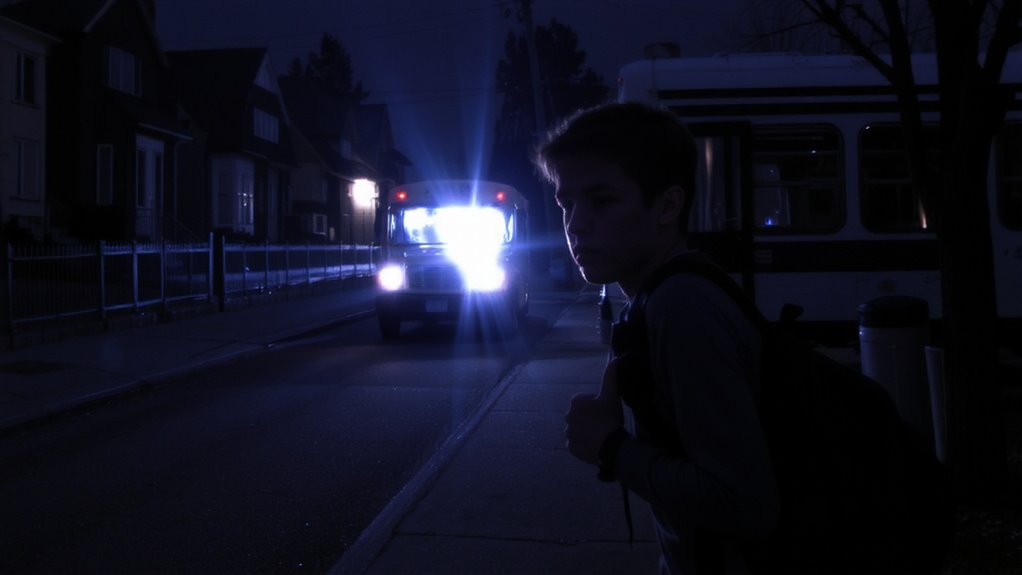
Even though your body naturally shifts to a later sleep-wake cycle during adolescence, most schools still start early, making it hard to get the 8–10 hours of sleep you need. You’re likely wrestling with academic stress and social pressures that push bedtimes later, but early start times cut sleep short, leaving you tired by mid-morning. Chronic sleep loss builds up, weakening focus, memory, and mood regulation. While some consider sleep aids to cope, these don’t fix the root issue and may affect sleep quality. Instead, adjusting school schedules to start later aligns better with teen biology. If early starts are unavoidable, talk with school counselors about time-management strategies. Small changes in routine-like consistent wake times-can improve sleep resilience. Prioritizing sleep supports long-term health and academic performance without relying on quick fixes.
Reset Sleep With Light and Screen Habits
How does your evening routine affect your sleep? Exposure to blue light from screens in the late evening can delay melatonin release, making it harder to fall asleep. Your brain interprets that light as daylight, disrupting your natural rhythm. To reset your internal clock, reduce screen use at least one hour before bed. Swap scrolling for reading or listening to calm music. In the morning, get outside soon after waking. Even on cloudy days, morning sunlight helps synchronize your body’s clock. Open blinds or take a short walk-consistency matters more than duration. These light-related habits work with your biology, not against it. Over time, they can improve sleep onset and quality without pills or devices. No trial period or warranty needed-just daily practice. Small shifts in light exposure offer lasting benefits.
Habits That Improve Teen Sleep at Home
While your bedroom may seem like just a place to rest, the habits you build there can make a real difference in how well you sleep. Creating consistent bedtime routines signals your body that it’s time to wind down-try reading or light stretching instead of screens. A calm sleep environment matters too: keep your room cool, quiet, and dark, using blackout curtains or a white noise machine if needed. Choose a comfortable mattress and pillows that support your posture. Avoid caffeine late in the day, and try not to do homework or watch videos in bed, so your brain links the bed with sleep. If you’re struggling, consider talking to a doctor, as sleep disorders like insomnia or delayed sleep phase syndrome are treatable. Small changes in routine and space often lead to better rest over time.
On a final note
You can support your sleep by aligning habits with your body’s natural shift toward later nights. Prioritize consistent bedtimes, even on weekends, and reduce screen use before bed-blue light delays melatonin. Morning light helps reset your rhythm. If sleep problems persist, talk to a doctor to rule out disorders. Consider proven fixes first, like sleep hygiene, before turning to aids. Most teens need 8–10 hours; find what works through small, steady changes.