Reassessing Sleep Surface Every Six Months Based on Evolving Spinopelvic Parameters
Your spine and pelvis shift over time, so checking your sleep surface every six months helps maintain proper alignment. If you wake with stiffness or notice sagging, your mattress may no longer support your spinopelvic needs. Medium-firm options with zoned support or responsive foam often balance comfort and alignment. Look for models with a 10-year warranty and 100-night trial to test suitability. Adjusting your bedding now can improve sleep quality and long-term spinal health.
Notable Insights
- Spinal flexibility and pelvic alignment shift over time, requiring regular sleep surface evaluation.
- Morning lower back pain or stiffness may signal misalignment from inadequate mattress support.
- Assess spine neutrality by lying in your usual sleep position every six months.
- Check for sagging, compression, or reduced responsiveness indicating wear and compromised support.
- Choose adaptive mattresses with zoned support to accommodate evolving spinopelvic alignment needs.
Is Your Spine Changing? What It Means for Your Mattress
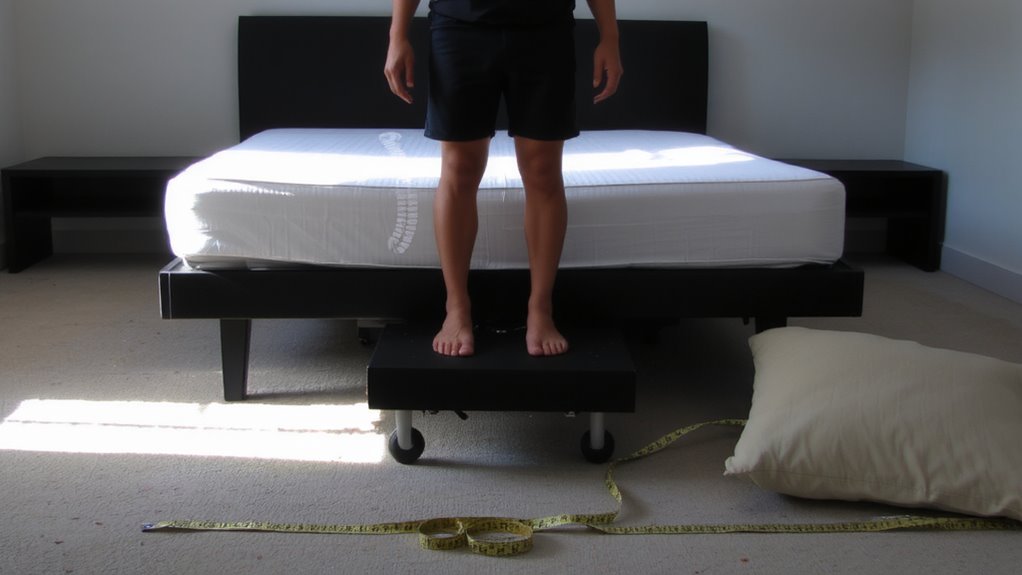
Have you noticed stiffness in your lower back or hips when you wake up? It could signal changes in your spine’s natural alignment. Over time, spinal flexibility declines, and your body undergoes posture adaptation, even during sleep. These shifts mean your current mattress may no longer support your spinopelvic needs. A mattress that’s too firm might restrict your spine’s ability to relax, while one too soft may fail to maintain neutral alignment. Look for models with zoned support layers and responsive foam or coil systems that adapt to spinal curves. Check warranty terms-many quality brands offer 10-year coverage and a 100-night trial. Test sleep systems that allow easy returns. Matching your mattress to your spine’s current state helps reduce strain and supports healthier sleep patterns over time. Consider exploring the best mattresses for better posture to find a model specifically designed to promote spinal alignment.
How Your Pelvis and Spine Shape Your Sleep

Why does your lower back ache when you wake up? It’s likely due to poor spinal alignment caused by changes in your pelvic tilt over time. Your spine and pelvis work together to maintain balance, even while you sleep. If your pelvic tilt shifts-forward or backward-it alters the natural curve of your spine, straining muscles and joints. A neutral pelvic tilt supports proper spinal alignment, reducing pressure and improving sleep quality. Your sleep position and mattress firmness play key roles here. A mattress too soft or too firm can exaggerate tilt issues, worsening alignment. Look for sleep surfaces that adapt to your body’s changing shape, offering targeted support where needed. Many memory foam and adjustable beds allow you to test firmness levels and come with trial periods, helping you find the right fit without risk.
Signs Your Mattress No Longer Supports Your Spine
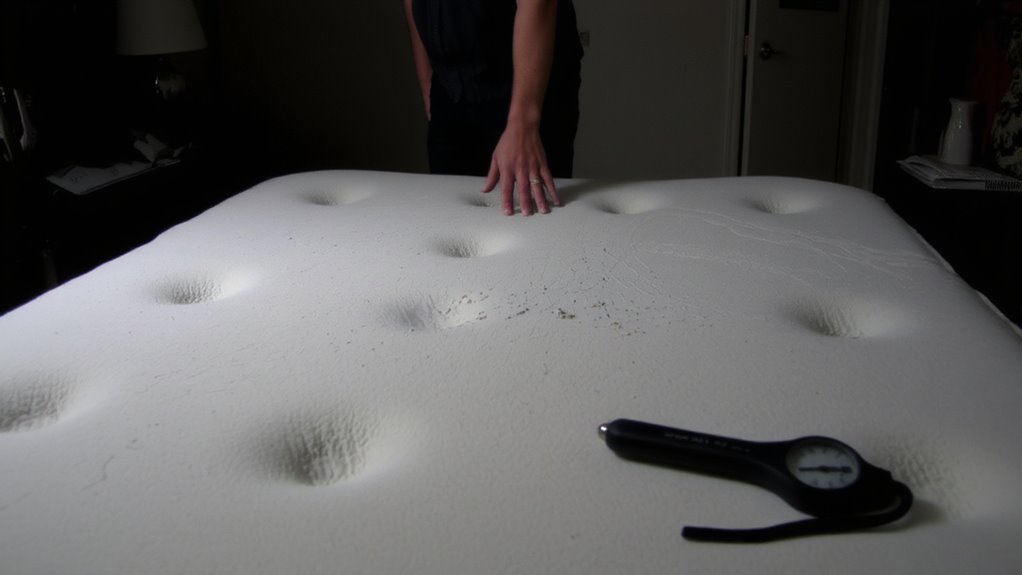
Could your morning back pain actually be coming from your mattress? If you’re waking with consistent body tension or stiffness, especially in your lower back or hips, your sleep surface may no longer align with your spine’s natural curve. Over time, mattress materials compress and lose support, leading to subtle sleep disruption-even if you don’t remember waking up. You might shift more at night, reducing deep sleep quality. Sagging, uneven padding, or feeling springs or coils beneath you are red flags. Persistent discomfort, especially when switching positions, suggests your spine isn’t properly supported. These signs don’t always mean it’s time to replace your mattress immediately, but they do mean it’s time to assess it. Consider the construction, firmness level, and how it matches your current spinopelvic alignment. A good warranty or trial period can help test a better fit. For those who enjoy listening to calming audio before sleep, integrating Bluetooth pillow speakers can enhance relaxation without compromising spinal alignment.
Test Your Mattress in 3 Simple Steps?
A quick, hands-on check can tell you a lot about whether your mattress still supports your spine. First, lie down in your usual sleep posture-on your back, side, or stomach-and see if your spine stays neutral; any sagging or arching means support is off. Mattress firmness should balance pressure relief and spinal alignment, not too soft or too firm for your body type. Next, press down on the surface: if it leaves deep impressions, the material may be worn and less effective. Finally, spend a few minutes testing how easily you move; restricted motion can signal loss of responsiveness. These signs help you judge if your current setup matches your evolving spinopelvic needs. Don’t guess-use these simple checks every six months to decide whether it’s time to explore new sleep aids or adjust your sleep environment. Choosing the right best mattress for back pain can significantly improve spinal alignment and reduce discomfort over time.
Which Mattress Type Fits Your Spine Today?
How do you know which mattress truly aligns with your spine’s current needs? Your spine changes, and today’s support must match your evolving spinopelvic angle. Memory foam contours to your body, easing pressure points and promoting spinal alignment, especially if you sleep on your side. Innerspring models offer firm, responsive support ideal for back sleepers who need less sink and more structure. Latex balances bounce and cushion, good for combo sleepers managing pressure points without overheating. Hybrid designs blend coils with foam layers, balancing support and comfort. Look for medium-firm options-they often provide the best spinal alignment across sleep positions. Check trial periods of at least 90 days and warranties covering sagging over time. Test how your spine feels each morning-consistent discomfort means it’s time to reassess, not just endure.
Rotate, Replace, or Upgrade? Your 6-Month Mattress Guide
Every six months, take a honest look at how your mattress is holding up-because even the best support won’t last forever, and your spine’s needs can shift over time. Use sleep tracking data and personal comfort cues to guide your choice. Notice stiffness or pressure? It might be time to rotate, replace, or upgrade.
| Action | Best For | Considerations |
|---|---|---|
| Rotate | Even wear,延长 lifespan | Do every 3–6 months if double-sided |
| Replace | Sagging, poor spinal alignment | Check warranty; track sleep quality |
| Upgrade | Enhanced support, sleep tracking | Look for adaptive materials, cooling |
Pair your decision with dream analysis insights and consistent sleep tracking to assess rest quality. Choose models offering trial periods and clear warranty terms. Support changes quietly, but wisely-your spine will respond.
On a final note
Your spine and pelvis change over time, so reassessing your sleep surface every six months helps maintain proper alignment. A supportive mattress should match your current spinopelvic needs, whether you prefer memory foam, hybrid, or latex. Check for sagging, pressure points, or disrupted sleep. Look for models with trial periods, strong warranties, and breathable, durable construction. Rotate regularly or upgrade when needed-your long-term spinal health depends on informed, timely choices.