The Science Behind Insomnia: Causes, Symptoms, and Treatments
You might not realize how deeply insomnia affects your sleep cycle, keeping your brain too alert to rest. Stress, poor habits, or biological shifts can delay melatonin and disrupt your rhythm. You’ll notice trouble falling asleep, low focus, and mood changes. A doctor can check for underlying causes, and treatments like CBT-I work well without pills. Trying better sleep routines often helps-consistency brings clearer results.
Notable Insights
- Insomnia disrupts sleep cycles, preventing progression into deep, restorative stages like REM sleep.
- Stress, poor sleep habits, and biological factors such as circadian misalignment contribute to insomnia onset.
- Hyperactive brain activity at night interferes with sleep by maintaining alertness despite physical tiredness.
- Key symptoms include difficulty falling/staying asleep, daytime fatigue, irritability, and impaired concentration.
- CBT-I is the first-line treatment, often combined with lifestyle changes and, if needed, short-term medication.
What Is Insomnia: and How It Hijacks Your Sleep

Sleepless nights, racing thoughts, and early awakenings - these aren’t just occasional annoyances; they’re signs your sleep cycle might be under siege. Insomnia disrupts your natural sleep cycles, preventing deep, restorative rest. Instead of smoothly moving through light to REM sleep, your brain chemistry gets thrown off, making it harder to stay asleep or fall asleep. You might lie awake for hours or wake up too early, unable to return to sleep. These patterns affect mood, focus, and long-term health. Recognizing the disruption is the first step toward managing it. Tracking sleep habits helps identify how insomnia interferes with your body’s rhythm. Treatments vary-some target brain chemistry with medication, while others adjust routines to support healthier sleep cycles. Evaluating options means weighing effectiveness, side effects, and long-term use. Consider discussing sleep aids or behavioral therapies with a professional to find what aligns with your needs and lifestyle. A comfortable sleep environment can also play a critical role, especially when traveling, where unfamiliar settings may worsen insomnia-consider using a travel sleep sack for better rest on the go.
Insomnia Causes: Stress, Lifestyle, and Biology

While stress, daily habits, and your biology may seem unrelated, they all play key roles in whether you get restful sleep or end up staring at the ceiling at night. Your circadian rhythm governs your sleep-wake cycle, but stress and poor routines can throw it off. Even your sleep environment can make a big difference-small changes like dimming lights or reducing noise might help. Below are common causes grouped by category:
| Stress | Lifestyle | Biology |
|---|---|---|
| Anxiety | Irregular sleep schedule | Circadian rhythm shifts |
| Work pressure | Screen use before bed | Hormonal imbalances |
| Relationship issues | Caffeine intake | Genetics |
| Financial worries | Poor sleep environment | Medical conditions |
| Health concerns | Lack of exercise | Age-related changes |
Understanding these factors helps you identify what might be disrupting your sleep and choose effective solutions.
Why Insomnia Keeps Your Brain Awake
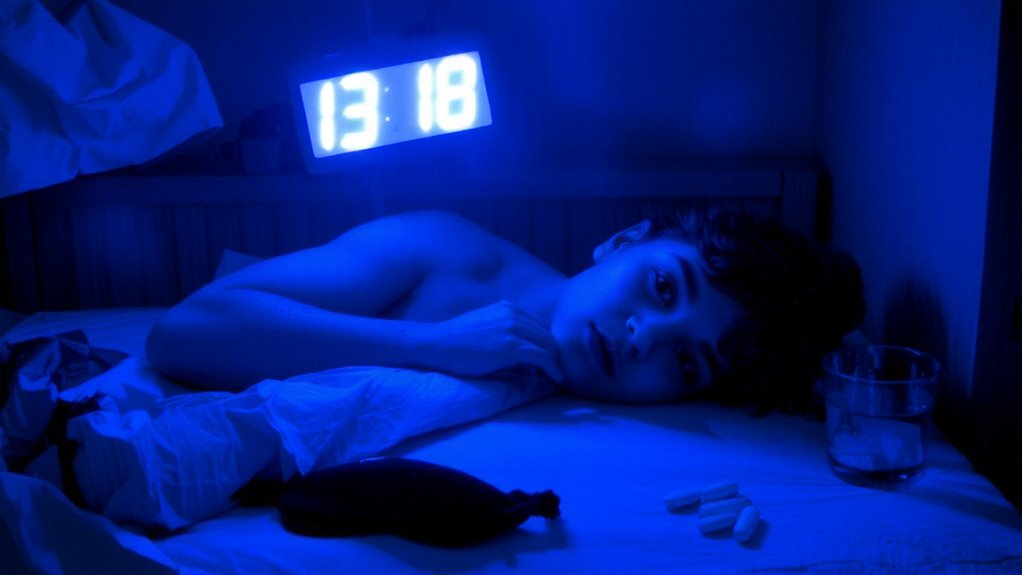
Your brain stays active at night not because it’s broken, but because it’s responding to signals it sees as threats or alerts. When stress or poor sleep habits trigger neural hyperactivity, your mind remains in a state of heightened awareness, making it hard to shift into rest. This overactivity often links to circadian disruption, where your body’s internal clock misaligns with environmental cues like light and darkness. As a result, melatonin release delays, and sleep onset becomes inconsistent. These changes aren’t permanent-they’re modifiable through behavioral shifts. Establishing a regular sleep schedule, reducing evening screen time, and managing stress can help reset your rhythm. Sleep aids may offer temporary support, but they work best alongside consistent routines. Consider tracking your patterns to identify triggers. Over time, aligning your habits with your biology improves your chances of calming both mind and body when bedtime comes. Upgrading your bedding can also support better sleep hygiene, and choosing high-quality best sheet sets makes a noticeable difference in comfort and temperature regulation.
Insomnia Symptoms Beyond Trouble Sleeping
Even though you might think insomnia only means struggling to fall or stay asleep, it often comes with a range of other symptoms that affect your daily life. You may feel constant mental fatigue, making it hard to focus, remember things, or stay alert at work or school. Irritability, low mood, and weakened concentration are common, even if your sleep environment seems comfortable. Sometimes, your body feels tired, but your mind stays active, preventing restful sleep. These symptoms can linger throughout the day, reducing your overall quality of life. A quiet, cool, and dark sleep environment might help ease some issues, but it won’t always fix deeper sleep disruptions. Recognizing mental fatigue as a key symptom helps you better understand your sleep needs and decide whether to explore sleep aids or lifestyle changes. Effective symptom management may include trying clinically-backed insomnia relief products that support both sleep onset and sleep quality.
Diagnosing Insomnia: When to See a Doctor
How do you know when sleepless nights cross the line from occasional trouble to a condition worth addressing? If you’re struggling to sleep at least three nights a week for over a month, it’s time to reflect on a medical evaluation. You’re not just tired-you’re dealing with a pattern that affects your daily life. A doctor can review your health history, medications, and habits to rule out underlying causes. They might recommend sleep studies to observe your breathing, brain activity, and movements overnight. These tests help confirm if insomnia or another sleep disorder is the issue. Don’t wait until exhaustion takes over. Early assessment means better understanding. This step isn’t dramatic-it’s practical. Getting clear answers guides your next moves. A proper diagnosis lays the groundwork for lasting improvement, helping you make informed choices about your sleep health.
Insomnia Treatments That Actually Work
If you’ve been struggling to sleep for weeks and it’s starting to affect your days, it’s worth knowing that effective treatments for insomnia do exist-many backed by science and available with guidance from a healthcare provider. Cognitive behavioral therapy for insomnia (CBT-I) is often recommended first because it tackles the thoughts and habits disrupting your sleep. It helps you reframe worries about sleep and build healthier patterns over time. Many people see improvements within a few weeks. Medication management might also be an option, especially short-term, but it’s usually paired with behavioral strategies. Sleep aids can help in the moment, but they don’t fix the root cause. A provider can help balance benefits and risks, adjusting as needed. Together, cognitive behavioral therapy and medication management offer a clear path forward tailored to your needs, giving you tools that last beyond just one night’s rest.
Insomnia-Proof Habits That Fix Your Sleep
While your sleep habits might seem minor, they can make a real difference in how well you fall and stay asleep night after night. Good sleep hygiene includes avoiding screens an hour before bed, keeping your room cool and dark, and limiting caffeine after noon. These small changes support your body’s natural sleep cycle. Consistent bedtime routines train your brain to wind down, making it easier to fall asleep. Try reading a book or doing light stretches at the same time each night. Don’t skip these steps, even on weekends. Over time, strong sleep hygiene reduces nighttime awakenings and improves sleep quality. You might not need sleep aids if your habits are solid. Think of it as building a routine that works with your body, not against it. Give it a few weeks-most people notice improvements in how rested they feel.
On a final note
You now know insomnia’s causes, symptoms, and science-backed treatments. If sleep troubles persist, consider a doctor’s evaluation to rule out underlying conditions. Cognitive behavioral therapy, better sleep habits, and, when appropriate, short-term medication can help. Track your sleep, adjust routines, and give changes time-most improvements take a few weeks. Always weigh benefits and side effects when trying sleep aids.