Why Sleeping During Daylight Hours Can Disrupt Your Circadian Rhythm
Sleeping during daylight hours confuses your body’s internal clock because it goes against your circadian rhythm, which expects wakefulness when it’s light. Light exposure in the day helps regulate melatonin, keeping you alert, but daytime sleep weakens this signal, leading to fragmented, less restorative rest. This mismatch can disrupt hormones like cortisol and insulin over time. You may notice tiredness, focus issues, or trouble sleeping at night. Staying consistent with sleep times and light exposure helps reset your rhythm-there’s more to how timing shapes long-term sleep health.
Notable Insights
- Daylight hours signal wakefulness, so sleeping then confuses the circadian rhythm’s natural timing.
- Light exposure during daytime sleep suppresses melatonin, reducing sleep quality and alertness upon waking.
- Daytime sleep often results in lighter, less restorative rest compared to nighttime sleep.
- Irregular nap timing disrupts the body’s internal clock, weakening sleep-wake consistency.
- Chronic daytime sleeping can lead to circadian misalignment, increasing risks for metabolic and cognitive issues.
Why Daytime Sleep Confuses Your Body Clock
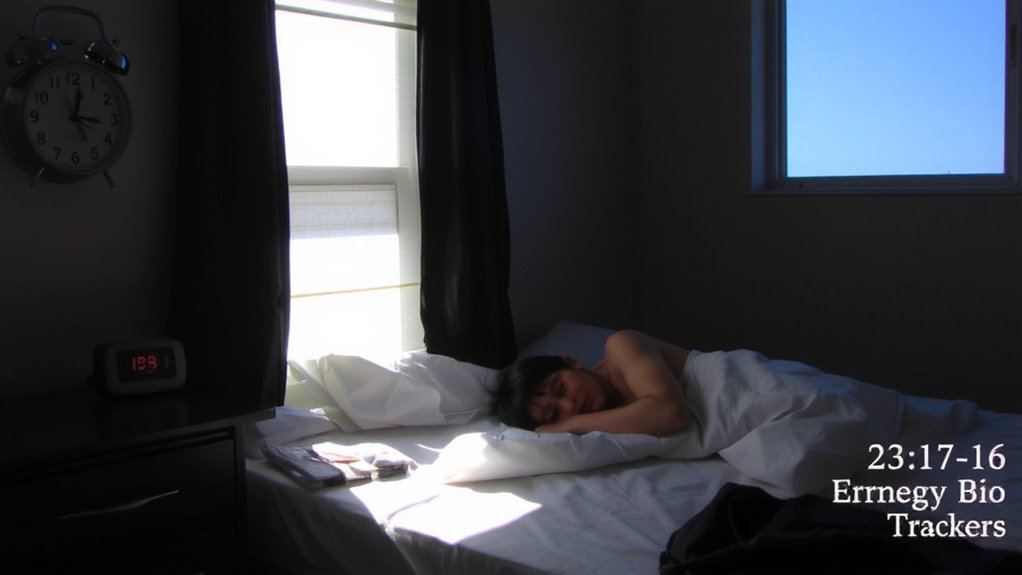
Even though you might feel tired during the day, sleeping then can throw off your body’s internal clock because it’s built to follow the natural rise and fall of daylight. Your circadian rhythm expects wakefulness during light hours, so daytime sleep sends mixed signals. The sleep duration you achieve then is often lighter and less restorative than nighttime rest. If you must nap, pay close attention to nap timing-limiting it to 20–30 minutes early in the afternoon helps reduce disruption. Longer or later naps can fragment nighttime sleep, making it harder to fall or stay asleep. For those managing sleep disorders, consistency matters; shifting sleep duration or nap timing inconsistently may worsen symptoms. Consider tracking your patterns before trying sleep aids, as some may extend sleep duration but delay natural alertness. Small, informed adjustments often support better alignment than quick fixes.
How Light Sets Your Natural Sleep-Wake Rhythm

What makes you feel alert in the morning and drowsy at night? It’s your body’s response to light exposure. When you’re exposed to light, especially bright morning light, your brain suppresses melatonin production, helping you feel awake. As daylight fades, darkness signals your brain to increase melatonin production, preparing you for sleep. This cycle relies on consistent light cues to stay balanced.
| Time of Day | Effect on Body |
|---|---|
| Morning light | Reduces melatonin, boosts alertness |
| Daytime light exposure | Stabilizes circadian timing |
| Evening darkness | Promotes melatonin production, aids sleep onset |
Keeping a regular light schedule supports strong sleep-wake rhythms. Using dim lights at night and getting outdoor light in the morning can improve sleep quality over time.
Symptoms of a Disrupted Circadian Rhythm
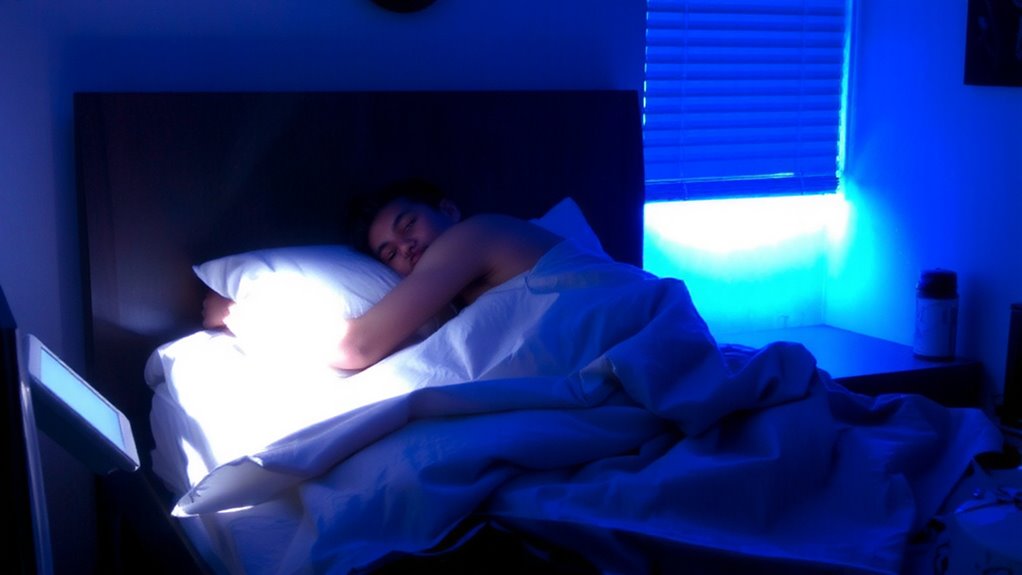
When your internal clock falls out of sync with the natural light-dark cycle, you might start noticing changes in energy, mood, and sleep quality. You could feel sluggish during the day or struggle to fall asleep at night, even when tired. Mood swings are common, making you irritable or unusually stressed without clear cause. A disrupted rhythm often leads to hormone imbalance, affecting cortisol, melatonin, and insulin levels-this can impact alertness, appetite, and recovery. You may find focus harder, reaction times slower, or daytime naps unrefreshing. These signs suggest your sleep schedule needs adjustment. While sleep aids might help short-term, they don’t fix the root issue. Prioritizing consistent sleep times, even on weekends, supports long-term alignment. Light exposure matters too-getting morning sunlight helps reset your internal clock. Tracking symptoms for a week can clarify patterns and guide changes that improve rest without reliance on medication or devices.
Long-Term Risks of Sleeping During the Day
If you regularly sleep during the day and stay awake at night, your body may struggle to maintain essential biological processes that rely on sunlight cues. Over time, this shift can lead to hormonal imbalance, disrupting cortisol, insulin, and melatonin levels, which affects metabolism, mood, and immune function. You might also face an increased risk of cognitive decline, as nighttime alertness and poor sleep quality impair memory, focus, and decision-making. Chronic circadian misalignment is linked to long-term health concerns, including metabolic disorders and reduced mental sharpness. While some use sleep aids to adjust, they don’t fix the root disruption. Consider the trade-offs: temporary relief versus long-term rhythm stability. Pay attention to how your body responds and consult health resources to weigh options, whether it’s adjusting schedules or seeking evaluations for sleep disorders.
How to Reset Your Body Clock for Better Sleep
Though your body’s internal clock can drift out of sync with daylight hours, you can guide it back with consistent, intentional cues that reinforce natural sleep-wake patterns. Start by setting a regular wake-up time, even on weekends, to anchor your rhythm. Exposure to bright morning light helps signal alertness, while dimming lights at night supports melatonin release. Strengthen your bedtime routine by avoiding screens an hour before sleep and engaging in calming activities like reading or light stretching. Pair these habits with solid sleep hygiene-keeping your bedroom cool, dark, and quiet-to improve sleep quality. Avoid caffeine and heavy meals late in the day. If needed, short-term use of sleep aids may help, but consider consulting a professional to rule out underlying sleep disorders. Consistency matters most-small, daily choices shape long-term results. Using a best sleep therapy light can enhance melatonin regulation and support a more balanced circadian rhythm.
On a final note
You might feel tired during the day, but sleeping then can confuse your body’s clock and weaken sleep quality over time. Light exposure during daytime hours signals wakefulness, so blocking it helps if you work nights. Consider gradual schedule shifts, consistent bedtimes, and short naps under 30 minutes. Melatonin or light therapy may assist, but check with a doctor first. Track changes over a few weeks to see what works.