How to Support a Child With Delayed Sleep Phase Syndrome
You can support your child by shifting bedtime 15 minutes earlier every few nights and keeping wake times consistent, even on weekends. Use bright morning light-natural or from a 10,000 lux lamp-for 20–30 minutes to reset their internal clock. Pair this with a calming, screen-free evening routine to ease the shift. When sleep hygiene and timing strategies aren’t enough, tailored interventions like timed melatonin may help, especially under professional guidance. There’s more to explore about aligning their rhythm successfully.
Notable Insights
- Gradually shift bedtime 15 minutes earlier every few nights to gently reset the child’s internal clock.
- Ensure consistent wake times daily, using morning bright light exposure to reinforce circadian rhythm alignment.
- Limit screen use and blue light in the evening to reduce melatonin suppression before bedtime.
- Establish a calming, predictable bedtime routine to support healthy sleep onset and hygiene.
- Consult a sleep specialist if adjustments fail, to explore melatonin timing or light therapy options.
What Is DSPS in Kids?
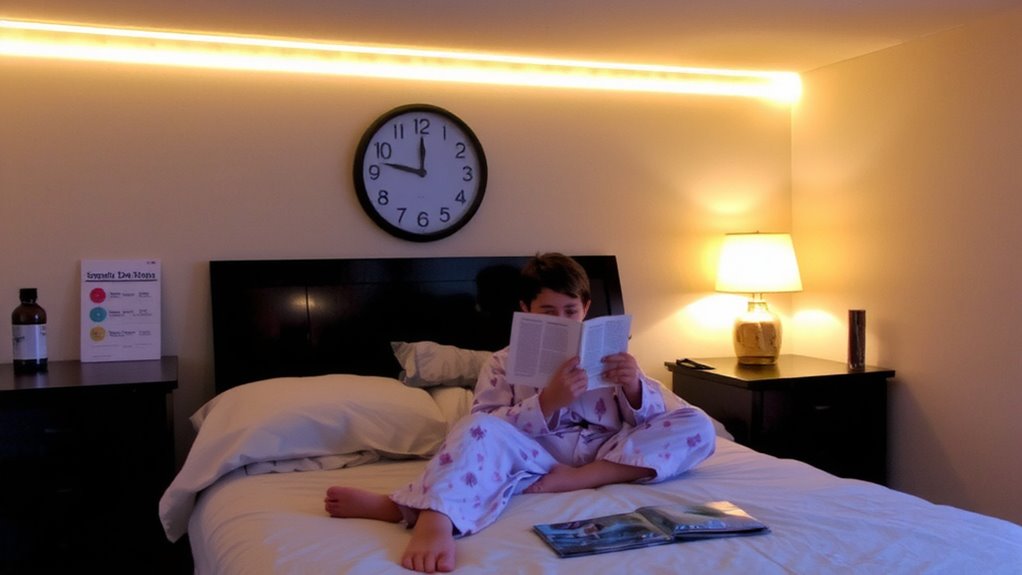
While it might seem like your child is just a night owl, delayed sleep phase syndrome (DSPS) is more than a preference for late nights-it’s a circadian rhythm disorder that shifts their natural sleep time later by several hours. Their biological clock runs on a delayed schedule, making it hard to fall asleep early, even if they want to. This isn’t laziness-it’s a real shift in timing. Because they can’t drift off until late, they often miss school start times, leading to chronic sleep debt. Over time, that sleep debt affects mood, focus, and performance. You’ll notice they sleep normally once they finally doze off-just at inconvenient hours. Unlike other sleep issues, DSPS causes consistent, long-term delays. Understanding this helps you choose strategies that reset timing instead of just adding sleep aids. It’s about working with their biology, not against it.
Recognize the Signs of Delayed Sleep Phase Syndrome
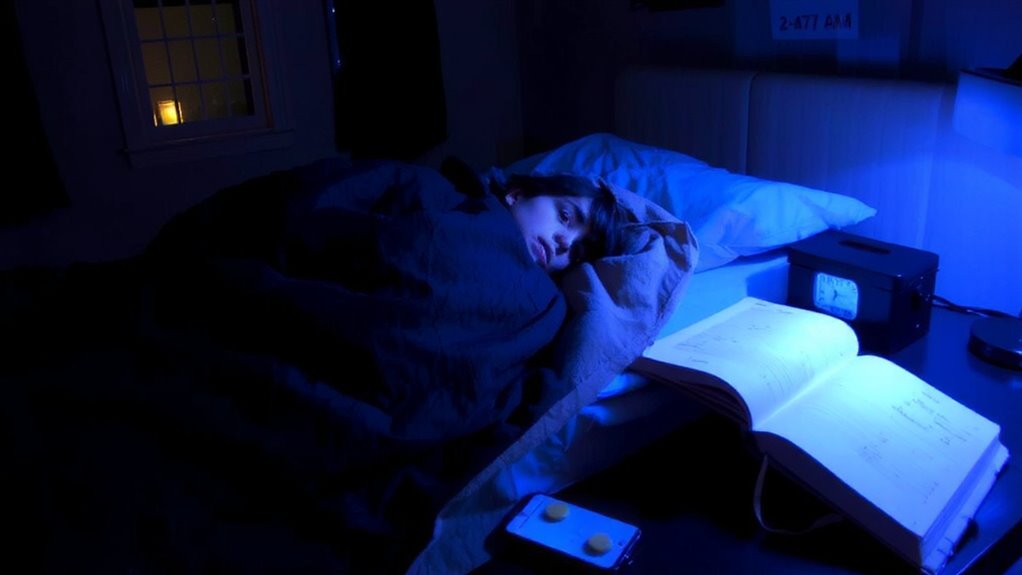
How can you tell if your child’s late nights are more than just a habit? Look for a consistent pattern: they fall asleep late, even when tired, and struggle to wake up on time. If weekends find them sleeping in past noon while school mornings cause grogginess, they might have delayed sleep phase syndrome (DSPS). Irregular naps can worsen the cycle, making it harder to fall asleep at night. Their internal clock runs behind, leading to social jetlag-where their natural rhythm clashes with school and family schedules. They may seem lazy or unmotivated, but it’s not about willpower. This mismatch affects mood, focus, and health over time. Watch for mood swings, attention issues, or declining performance. Recognizing these signs early helps you seek appropriate support and consider next steps like light therapy or professional evaluation.
Reset Your Child’s Clock With Gradual Bedtime Shifts
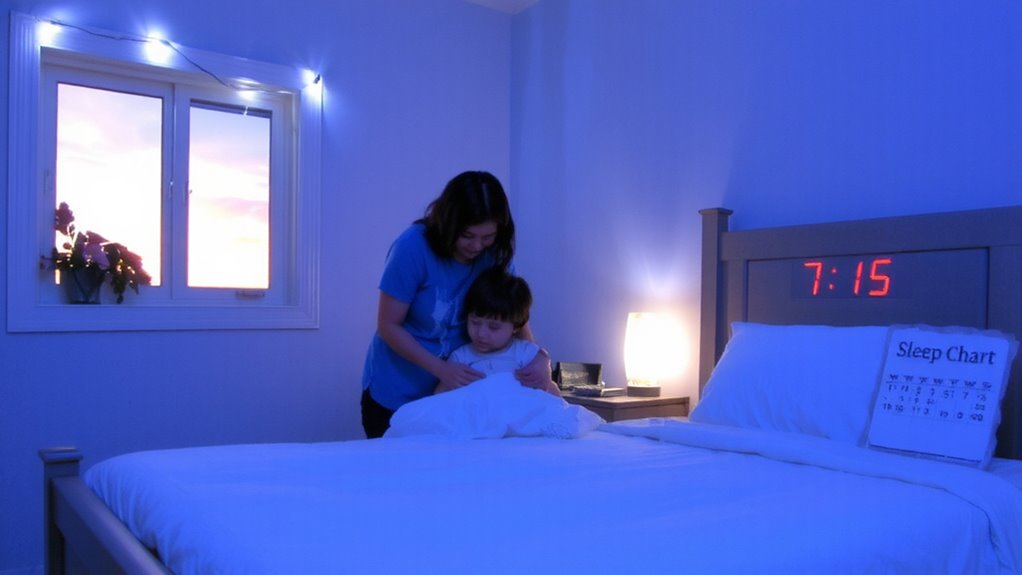
If you’ve noticed your child consistently struggling to fall asleep and wake up at socially acceptable times, gently shifting their bedtime in small, manageable increments can help reset their internal clock. Start by moving their bedtime 15 minutes earlier every few nights, aligning their circadian rhythm with desired sleep and wake times. This gradual approach reduces resistance and makes the change easier. Pair the shift with strong sleep hygiene-consistent routines, a calming environment, and limited screen time before bed-to reinforce the change. Avoid large jumps in schedule, as these can disrupt progress. Be patient; full adjustment may take weeks. Monitor how your child responds, and tweak the pace if needed. While sleep aids exist, prioritizing natural methods supports long-term success. This method builds sustainable habits, improving both sleep quality and daytime function over time.
Wake Their Body With Morning Light and Routine
Why does your child still feel groggy even after finally falling asleep late at night? Their internal clock hasn’t gotten the signal it’s time to wake. Exposure to bright light soon after they rise helps reset that rhythm. Morning light, whether from the sun or a light therapy box, suppresses melatonin and boosts alertness. Aim for 20–30 minutes of consistent exposure daily. Natural light is most effective, so consider morning walks or having breakfast near a sunny window. If outdoor access is limited, a light therapy device with 10,000 lux works well-look for one with a sturdy stand and timer. Use it at the same time each day to build routine. Pair this with a consistent wake-up time, even on weekends. Over time, morning walks and light therapy can improve daytime energy and help align their sleep-wake cycle more naturally.
Wind Down With an Evening Routine for DSPS
Starting your child’s day with light and consistency sets the stage for better sleep timing, and just as important is how you guide their evenings. You can help shift their internal clock by creating a predictable wind-down routine an hour before bed. Begin by reducing blue light exposure-this means limiting screen time from devices like phones, tablets, and TVs. Blue light suppresses melatonin, making it harder to fall asleep. Instead, replace screens with calming activities such as reading a book, drawing, or listening to soft music. Keep the room dim and maintain a consistent temperature. Even small, steady changes in evening habits can improve sleep onset over time. The routine doesn’t need to be perfect, but consistency helps their body learn when it’s time to rest.
When to See a Sleep Specialist for Delayed Sleep
How do you know when sleep troubles go beyond typical habits? If your child consistently can’t fall asleep before midnight and struggles to wake for school, it might be more than poor routine. When adjustments like consistent bedtimes or reduced screen time don’t help, seeing a sleep specialist makes sense. A specialist can perform a circadian evaluation to pinpoint disruptions in your child’s internal clock. They might recommend sleep studies to rule out other disorders like sleep apnea. These tests record brain activity, breathing, and movement overnight, often at home or in a lab. Based on results, specialists suggest tailored treatments-light therapy, melatonin timing, or behavioral strategies. Early intervention improves long-term sleep health. Don’t wait years hoping it’ll resolve. If academic performance or mood suffers, a circadian evaluation could offer answers. Sleep studies guide effective, evidence-based care.
On a final note
You can help your child manage delayed sleep phase syndrome by adjusting their schedule gradually and building consistent routines. Morning light exposure helps reset their internal clock, while a calming bedtime routine signals it’s time to sleep. Consider tracking progress over a few weeks to see what works. If sleep struggles persist despite changes, consulting a sleep specialist gives access to tailored strategies and possible treatments, ensuring your child’s long-term rest and well-being.