Improve Sleep Quality With These Science-Backed Techniques
You’ll sleep better by going to bed and waking at the same time every day, even on weekends. Limit screen use before bed, since blue light delays melatonin release. Wind down with a calm routine like tea or reading. Keep your bedroom cool, dark, and quiet, and avoid caffeine after 2 p.m. or alcohol near bedtime. These steps support deeper, more consistent rest-you’re already on the path to stronger sleep habits, and there’s more to discover.
Notable Insights
- Stick to a consistent sleep schedule by going to bed and waking up at the same time daily, including weekends, to strengthen your circadian rhythm.
- Reduce evening exposure to blue light from screens at least 1–2 hours before bed to support natural melatonin production and sleep onset.
- Develop a relaxing pre-sleep routine with activities like reading or drinking herbal tea to lower cortisol and prepare your body for rest.
- Optimize your bedroom environment by keeping it cool (60–67°F), dark, quiet, and clutter-free to promote uninterrupted, restorative sleep.
- Avoid caffeine after 2 p.m. and limit alcohol intake within three hours of bedtime to prevent sleep disruptions and maintain sleep quality.
Stick to a Consistent Sleep Schedule
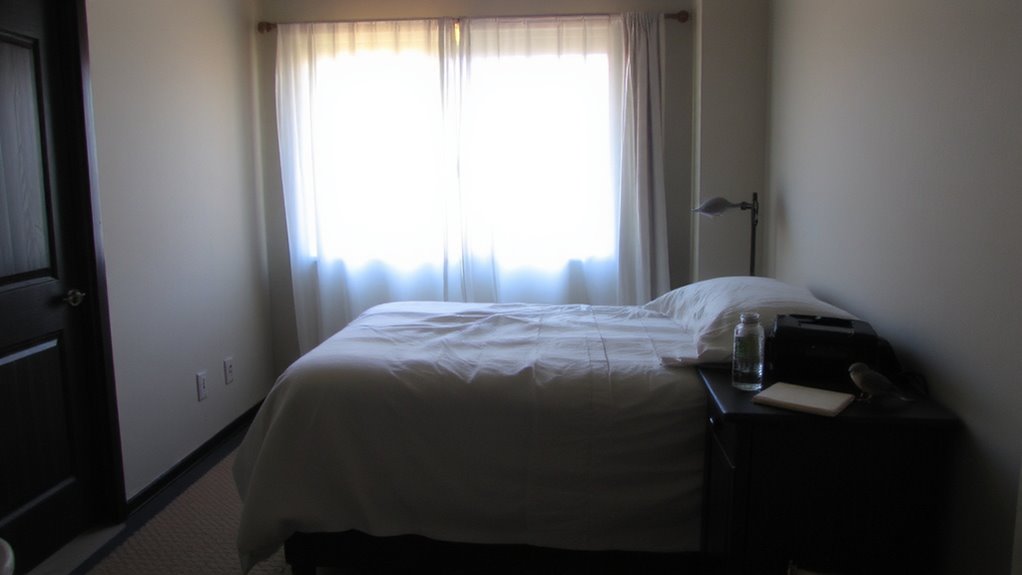
You’ll often find it easier to fall asleep and wake up naturally when you go to bed and get up at the same time every day, even on weekends. This consistency strengthens your circadian rhythm, the internal clock that regulates sleep and wakefulness over a 24-hour cycle. When you stick to a regular schedule, your body learns to expect sleep at the same time each night, improving both sleep quality and duration. Good sleep hygiene includes this predictability as a core habit. It reduces grogginess and helps prevent insomnia. Even if you’re tempted to stay up late or sleep in, especially on weekends, doing so can disrupt your rhythm and make Monday mornings harder. Over time, consistent timing supports deeper, more restorative rest. You don’t need apps or devices-just commitment. It’s a simple, effective step you can start tonight.
Manage Evening Light for Better Sleep
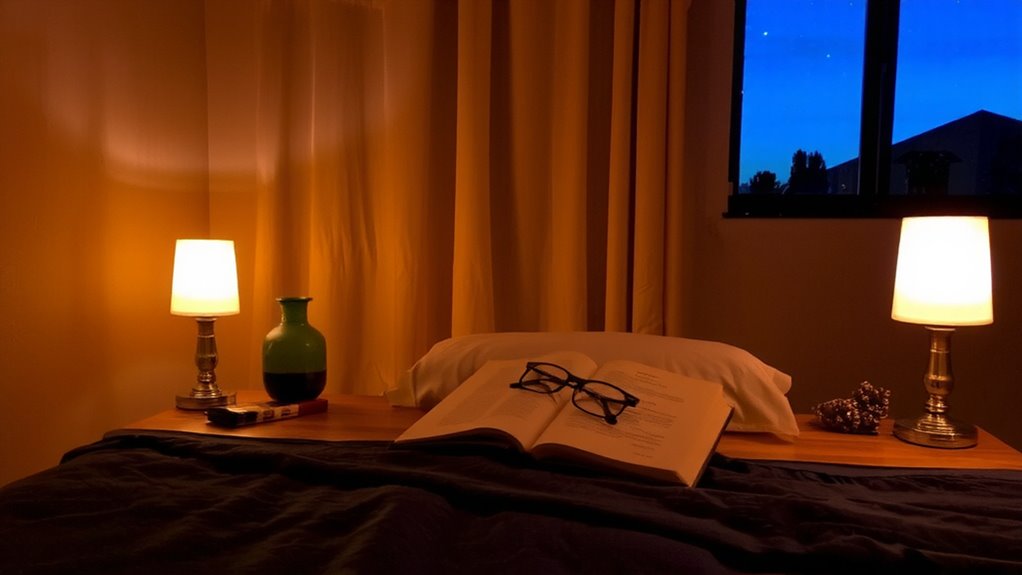
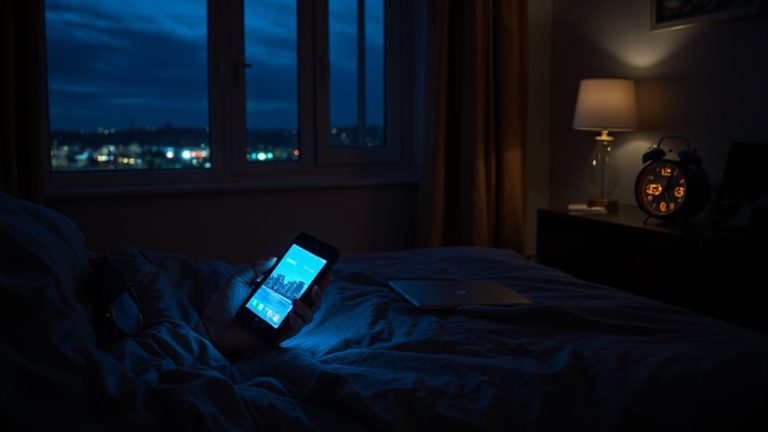
One effective way to support better sleep is by adjusting the light you’re exposed to in the evening. Your body’s melatonin production slows when it detects bright or blue light, especially from screens. To help your body prepare for sleep, reduce exposure to blue light 1–2 hours before bed. Dim overhead lights and switch to warmer tones, which have less impact on melatonin.
Here’s how common light sources affect your evening routine:
| Light Source | Effect on Melatonin Production |
|---|---|
| Phone or tablet | High suppression of melatonin |
| Warm lamp light | Minimal effect |
| Bright overhead | Moderate to high suppression |
Using blue light filters or wearing amber-tinted glasses can help. These tools support natural melatonin production without eliminating screen use. Try different options and track how you feel. Many devices now include built-in night modes-test them for a week to see if your sleep improves.
Wind Down With a Relaxing Routine
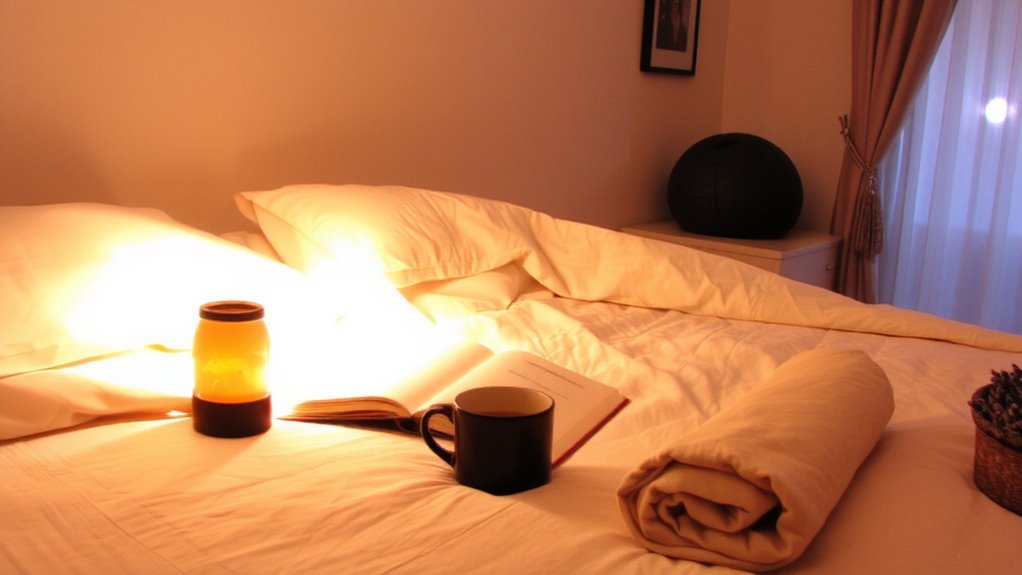
While your body naturally shifts toward rest as bedtime approaches, establishing a consistent wind-down routine can strengthen the signal that it’s time to sleep. You might try drinking tea like chamomier or valerian root, which contain compounds shown to support relaxation. Just avoid blends with caffeine, even in small amounts. Pair this with reading books-especially physical copies or e-ink readers-to ease mental stimulation. Focus on content that’s calming, not stressful or action-packed. This combination helps lower cortisol and slow your heart rate, preparing your body for deeper rest. Think of this routine as a nightly trial: test it for at least three nights before adjusting. Some find 20 minutes enough; others need 30 to 45. It’s not about perfection-it’s about consistency. Over time, your brain begins to link these actions with sleep, improving both onset and quality without relying on sleep aids. For a soothing option backed by research, consider trying one of the best sleep teas known for promoting restful sleep.
Create a Bedroom for Better Sleep
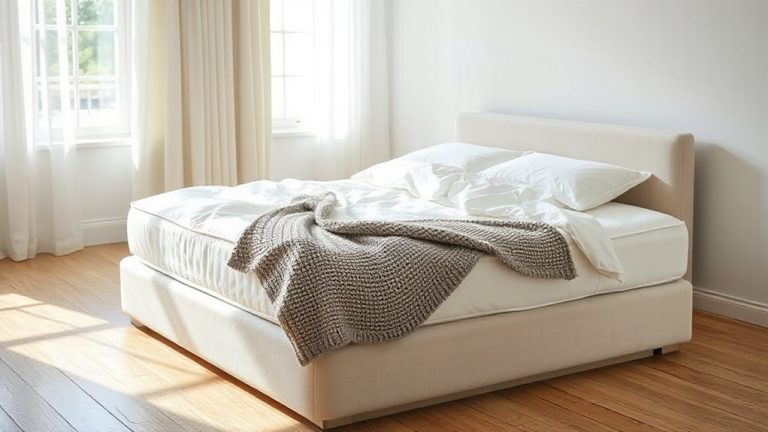
If your bedroom isn’t already a haven for sleep, small changes backed by sleep science can make a real difference in how quickly you fall asleep and how well you stay asleep. Focus on bedroom organization-remove clutter, keep surfaces clear, and store items out of sight to support a calm sleep environment. Choose breathable bedding and a comfortable mattress that supports spinal alignment. Use blackout curtains or a sleep mask to block light, and consider white noise machines if outside sounds disrupt you. Keep electronics out of reach or use blue light filters if needed. A consistent temperature between 60–67°F works best for most people. These adjustments improve sleep onset and continuity. Trial changes one at a time, noting differences in how rested you feel. Most sleep aids and environmental tools come with warranties or use blue light filters if needed. A consistent temperature between 60–67°F works best for most people. These adjustments improve sleep onset and continuity. Trial changes one at a time, noting differences in how rested you feel. Most sleep aids and environmental tools come with warranties or return policies, so test them thoughtfully. Incorporate Best Sleep-Friendly Room Decor Picks to enhance comfort and promote relaxation in your sleeping space.
Limit Caffeine and Alcohol Before Bed
Cutting back on caffeine and alcohol in the hours before bed can greatly improve your sleep quality, especially since both substances interfere with your body’s natural sleep cycles. Caffeine metabolism varies from person to person, but it can linger in your system for up to 10 hours, delaying sleep onset and reducing deep sleep. If you’re sensitive, even afternoon coffee might affect you. Alcohol may help you fall asleep faster, but it often disrupts sleep later in the night, especially during alcohol withdrawal in the early morning hours when your body processes the substance. This can lead to fragmented, less restorative sleep. To support better sleep, limit caffeine after 2 p.m. and avoid alcohol within three hours of bedtime. These adjustments may reduce reliance on sleep aids and improve long-term sleep patterns without drastic changes.
Calm Your Mind With Proven Relaxation Methods
When your thoughts race at night, using science-backed relaxation techniques can make a real difference in how quickly you fall asleep and how well you stay asleep. Deep breathing slows your heart rate and signals your body it’s time to rest-try inhaling for four counts, holding for four, then exhaling slowly. This simple method requires no tools and works well with consistent practice. Guided imagery, another proven approach, involves picturing a peaceful scene-like a quiet beach or forest-and focusing on sensory details to shift attention from daily stress. Apps and audio tracks can support this technique, often offering free trials or built-in sleep timers. Both deep breathing and guided imagery are low-risk, easy to start, and effective when used nightly. They’re especially helpful if you struggle with occasional sleeplessness or want to reduce reliance on sleep aids.
Avoid Screens Before Bed
Because the light from screens can interfere with your body’s natural sleep cycle, stepping away from phones, tablets, and computers at least 30 to 60 minutes before bed helps signal that it’s time to wind down. That glowing screen emits blue light, which suppresses melatonin, the hormone that regulates sleep. Lower melatonin means it’s harder to fall asleep and stay asleep. Making a habit of a nightly digital detox supports better sleep hygiene and improves overall rest. You don’t have to cut out evening tech use entirely-just shift it earlier or switch to non-backlit devices like e-ink readers. Over time, this small change can make a noticeable difference in how quickly you drift off and how refreshed you feel in the morning. It’s a low-effort, high-reward step backed by sleep research and useful for most sleep patterns.
On a final note
You can improve sleep by sticking to a consistent schedule and reducing evening light exposure. A relaxing routine and screen-free bedroom help signal your body it’s time to rest. Limit caffeine and alcohol, especially later in the day. Try relaxation methods like deep breathing or progressive muscle relaxation. If sleep problems continue, consider tracking patterns and discussing options with a healthcare provider to explore underlying causes or safe, evidence-based aids.