How Sleep Cycle Optimization Enhances Musical Skill Acquisition
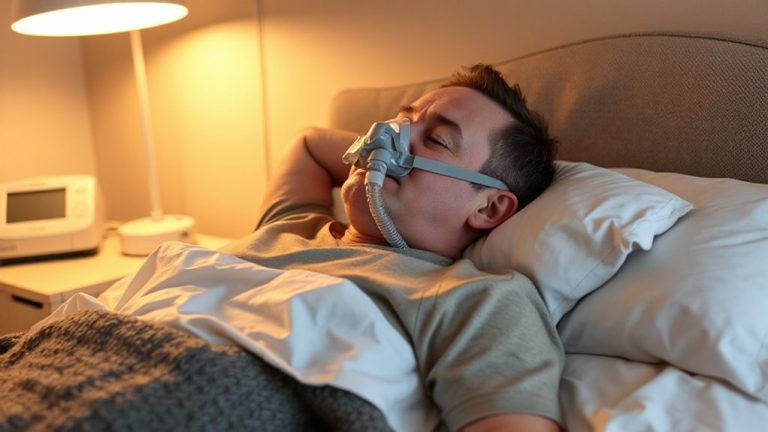
You learn faster and play better when your sleep cycles support both deep and REM stages. Deep sleep strengthens neural connections, locking in finger patterns and rhythms you practiced. REM sleep boosts creativity, helping you find new solutions in complex passages. Regular, uninterrupted sleep enhances timing, memory, and coordination. If your sleep is disrupted by apnea or screens, those gains weaken. Prioritize consistent bedtimes, a dark room, and quiet to improve recovery and skill growth-your next breakthrough might already be forming overnight.
Notable Insights
- Optimizing sleep cycles strengthens neural synchronization, enhancing coordination between motor and auditory brain regions for precise musical performance.
- Deep sleep supports neural replay, consolidating motor and auditory memories from practice into long-term skill retention.
- REM sleep fosters creative insight and reorganizes complex musical passages, aiding in problem-solving and expressive interpretation.
- Consistent sleep-wake schedules stabilize circadian rhythms, promoting reliable access to both deep and REM sleep stages critical for learning.
- Reducing sleep disruptions protects memory consolidation and prevents declines in motor accuracy and auditory processing essential for musical development.
Why Musicians Learn Better With Quality Sleep
While you might think practice alone builds musical skill, getting quality sleep plays a crucial role in how well you learn and retain new material. During rest, your brain strengthens neural synchronization, aligning brainwave patterns to boost coordination between motor and auditory regions. This alignment supports cleaner timing and more precise playing. Quality sleep also improves auditory integration, helping you process pitch, rhythm, and tone more accurately the next day. If you struggle with sleep, consider evaluating sleep disorders like apnea, which can disrupt these processes. Over-the-counter sleep aids may offer short-term help but often reduce sleep quality over time. Prioritizing consistent sleep schedules and a restful environment provides a more reliable boost. Devices like white noise machines or sleep trackers can support better habits. There’s no quick fix, but small changes with evidence-backed tools make a measurable difference in how your brain supports musical growth. Using a sleep-promoting best night lights for better sleep can further enhance sleep quality by reducing disruptive blue light exposure at night.
How Deep and REM Sleep Sharpen Musical Skills
You build stronger musical skills during specific sleep stages when your brain processes what you’ve practiced. In deep sleep, your brain strengthens neural synchronization, helping fingers move precisely across instruments. Later, during REM sleep, auditory integration improves, allowing you to better recognize pitch, rhythm, and tone. These stages work together to refine coordination and perception overnight. If you’re learning complex passages or new pieces, consistent REM and deep cycles support sharper performance. Sleep disorders like apnea can disrupt these phases, so seeking evaluation-if you feel unrested-may protect skill development. Some use sleep aids, but not all support REM quality; look for options with minimal REM disturbance and consult a provider. Tracking sleep patterns with wearable devices can reveal whether you’re getting enough restorative stages. Optimizing sleep isn’t about perfection-it’s about giving your brain the time and stability it needs to fine-tune what you’ve learned.
How Deep Sleep Locks In Musical Memory
Because your brain consolidates motor and auditory memories during deep sleep, this stage plays a key role in locking in the musical pieces you’ve rehearsed. During deep sleep, neural replay occurs-your brain quietly reactivates the same patterns used while practicing, strengthening connections between neurons. This process supports memory consolidation, making your practice more effective overnight. If you skip or disrupt deep sleep, this replay weakens, slowing skill progress. To support this stage, aim for consistent sleep schedules and a restful environment, since both improve deep sleep quality. Some sleep aids may increase total sleep but can reduce deep sleep intensity, so check ingredients and research effects. Sleep disorders like apnea fragment deep sleep, reducing memory benefits-seek evaluation if you snore or wake often. Prioritizing deep sleep means better retention, fewer mistakes, and smoother performance-all without extra practice. It’s a quiet, powerful part of your routine. Certain best supplements for deep sleep, such as magnesium and glycine, may enhance deep sleep quality when used appropriately.
How REM Sleep Sparks Creative Breakthroughs
REM sleep builds on the memory work of deep sleep by adding a layer of creative insight, helping you make unexpected connections that boost musical expression and problem-solving. During this stage, dream synthesis allows your brain to blend recent musical experiences with older memories, sparking fresh ideas or solutions to tricky passages. This process supports neural reorganization, refining how your brain networks handle melodies, rhythms, and techniques. If you’re learning a complex piece, REM sleep helps restructure your understanding, often leading to “aha” moments the next day. Consistent, high-quality sleep cycles are key-disruptions from sleep disorders or certain sleep aids can reduce REM duration and clarity. Consider reviewing any sleep medications with a doctor, as some may alter REM patterns. Prioritizing sleep hygiene, like regular bedtimes and screen reduction, supports stable REM cycles. Over time, protecting this phase improves adaptability and creative growth in your playing.
Time Practice Right: Maximize Sleep-Driven Learning
When should you schedule practice for the best musical growth? Right before sleep-especially if you maintain bedtime consistency. Your brain consolidates new motor and auditory skills during deep sleep and REM, making nighttime practice especially effective. Aim to finish practicing 30–60 minutes before bed to allow mental winding down. Pair this timing with a quiet, cool, and dark sleep environment to support uninterrupted sleep cycles. A stable sleep environment enhances slow-wave sleep, critical for memory stabilization. If distractions or discomfort interfere, consider evidence-based sleep aids like white noise machines or blackout curtains, which improve sleep continuity without side effects. Trials show even small improvements in sleep environment can boost next-day recall and technique. You don’t need drastic changes-just consistent, mindful adjustments to maximize sleep-driven learning. For enhancing auditory masking and sleep quality, consider using a highly rated sleep sound machine.
7 Daily Habits to Boost Your Musical Sleep
How much better could your playing sound if your sleep worked for you? Small daily habits make a real difference in how well you learn and perform music. Your sleep environment and bedtime routine play key roles. A quiet, dark, and cool room supports deeper rest, while consistent wind-down activities signal your brain that it’s time to recharge. Avoid screens and stimulants late in the day, and choose calming practices like light reading or gentle stretching.
| Habit | Benefit |
|---|---|
| Set a fixed wake time | Stabilizes your internal clock |
| Limit evening screen use | Reduces sleep-disrupting blue light |
| Use blackout curtains | Enhances sleep environment quality |
| Follow a 30-minute bedtime routine | Prepares mind and body for rest |
These steps support natural sleep cycles, helping your brain consolidate musical skills nightly.
Track Sleep Quality to Measure Musical Progress
While you focus on hitting the right notes, your sleep patterns could be shaping your progress more than you realize. Using sleep tracking tools, you can monitor sleep stages, duration, and disruptions to spot trends over time. When combined with daily practice logs, you may notice a clear performance correlation-better sleep often links to improved accuracy, rhythm, and memory recall. Devices like wearable trackers or apps provide data on deep sleep and REM cycles, both tied to motor skill consolidation. If you struggle with inconsistent progress, poor sleep quality might be a hidden factor. Tracking helps identify potential sleep disorders, like apnea or insomnia, so you can seek evaluations or adjust routines. Some tools offer free trials or warranties, letting you test accuracy before committing. While no sleep aid replaces good habits, the data guides smarter choices-helping you align rest with musical goals.
On a final note
You improve faster when sleep supports memory and creativity. Deep sleep strengthens neural connections from practice, while REM sleep enhances improvisation and problem-solving. Track your sleep to match patterns with progress. If fatigue or poor rest persists, assess sleep hygiene before considering aids. Most over-the-counter options dull mental sharpness; prescription treatments require medical guidance. Prioritize consistent timing, darkness, and cool temperatures. A well-rested brain learns music more efficiently-trial adjustments with patience, and rely on measurable results.