Understanding and Managing Circadian Rhythm Disruptions Caused by Aging Effects on Brain Function
You might notice sleep comes earlier and feels lighter as you age, since brain changes slow cell communication and weaken light signals to your internal clock. Your melatonin release shifts earlier, making it harder to stay asleep. Stick to consistent meal and exercise times, get bright morning light, and use dim, warm evening lighting. These steps support rhythm stability. If sleep troubles persist, they could point to treatable conditions-further guidance could help clarify your best next move.
Notable Insights
- Aging reduces brain sensitivity to light, weakening circadian rhythm regulation and sleep-wake cycles.
- Neurodegeneration and slower neural communication impair the brain’s ability to maintain precise circadian timing.
- Declining retinal sensitivity and earlier melatonin release shift sleep onset and wake times earlier.
- Regular morning light exposure and consistent daily routines help realign disrupted circadian rhythms in older adults.
- Circadian disruptions in aging are linked to inflammation, hormonal imbalances, and increased risks for cognitive decline.
How Aging Disrupts Your Internal Clock
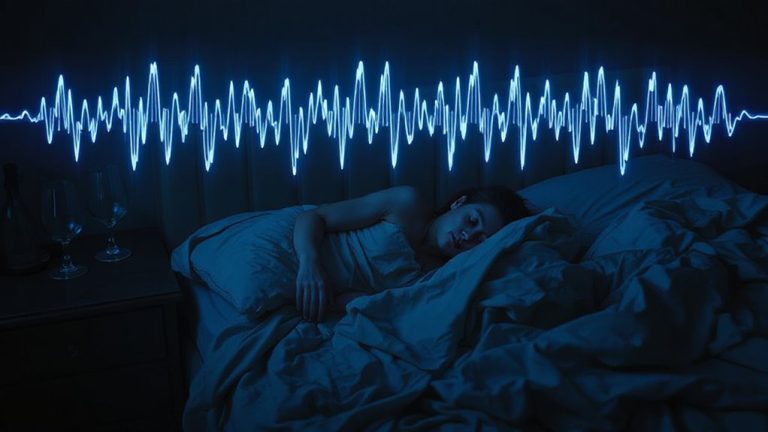
Aging quietly shifts the gears of your internal clock, often without warning. You might notice your sleep patterns changing-feeling tired earlier, waking up too soon, or struggling to stay asleep. These shifts are linked to brain changes like neurodegeneration and synaptic decline, which affect how well your circadian rhythm keeps time. As neurons weaken and communication between brain cells slows, your body’s natural rhythm becomes less precise. Light cues don’t register as strongly, making it harder to stay aligned with day and night. While this is part of normal aging, it doesn’t mean poor sleep is unavoidable. Monitoring your patterns helps identify whether adjustments in routine, light exposure, or sleep aids could help. Some find mild supplements or timed light therapy useful, often with few side effects and clear instructions. Warranties on devices like light boxes typically cover a year, allowing a trial period to gauge effectiveness.
How Circadian Changes Affect Sleep and Health
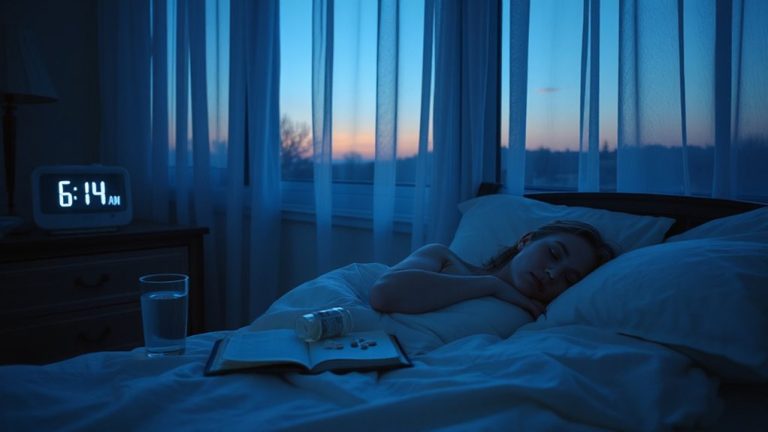
Why do you feel more tired in the evening than you used to, or find your sleep scattered through the night? As your circadian rhythm shifts with age, it disrupts sleep timing and quality. You might wake too early or struggle to stay asleep, increasing fatigue. These changes aren’t just annoying-they’re linked to chronic inflammation, which raises risks for heart disease and cognitive decline. Disrupted rhythms also contribute to hormonal imbalance, affecting cortisol, insulin, and growth hormone regulation. Poor sleep can worsen mood, memory, and immune function over time. You may consider sleep aids, but opt for ones with clear ingredient labels, clinical backing, and minimal next-day drowsiness. Look for products offering trial periods or satisfaction guarantees. Prioritize consistent bedtime routines and sleep environments first. When needed, consult a provider to weigh benefits and risks of supplements or medications thoughtfully, based on your health history and symptoms.
Why Light and Melatonin Shift With Age
How does light affect your sleep now compared to when you were younger? As you age, your retinal sensitivity decreases, meaning your eyes detect less light, especially the blue-wavelength light essential for setting your internal clock. This reduced signal reaches the brain’s circadian center more weakly, disrupting your rhythm. At the same time, your pineal responsiveness declines, leading to lower and earlier melatonin release. You may feel sleepy earlier but wake up too soon. These shifts explain why your sleep timing changes and why sleep feels less stable. Understanding this helps you assess sleep aids or light therapy devices more wisely. Look for products designed to compensate for reduced retinal sensitivity or delayed melatonin onset. Check warranty length, light intensity (measured in lux), and clinical backing when choosing tools to support your rhythm. Trials let you test effectiveness without long-term risk. Top-rated devices often feature high-intensity light therapy lamps with proven effectiveness for circadian regulation.
Daily Habits to Support a Healthy Circadian Rhythm
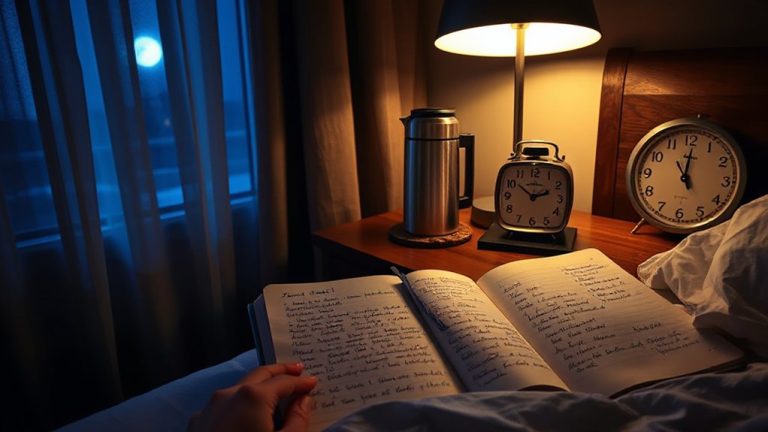
While your body’s internal clock may shift as you get older, making small, consistent choices each day can help keep your rhythm on track. Aim for regular exercise timing, ideally in the morning or early afternoon, since late-day workouts might interfere with sleep onset. This helps reinforce your natural wakefulness cycle without overstimulating your nervous system at night. Pair this with strong meal consistency, eating breakfast, lunch, and dinner at roughly the same times daily-even on weekends. This stabilizes metabolic signals that support circadian alignment. Avoid large, late meals, which can disrupt sleep and digestion. These habits won’t fix everything overnight, but they build a foundation that improves sleep quality over time. You might find you need less reliance on sleep aids as your rhythm stabilizes. Try tracking your patterns for a few weeks and adjusting gradually. Small, repeated efforts often yield the most sustainable results.
Circadian-Friendly Lighting and Living Spaces
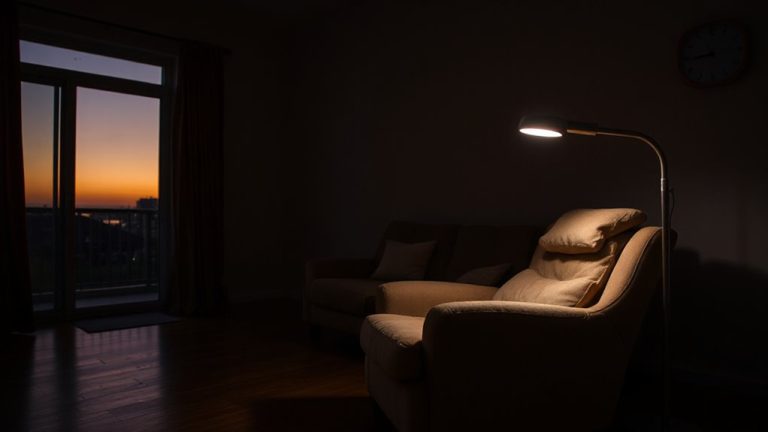
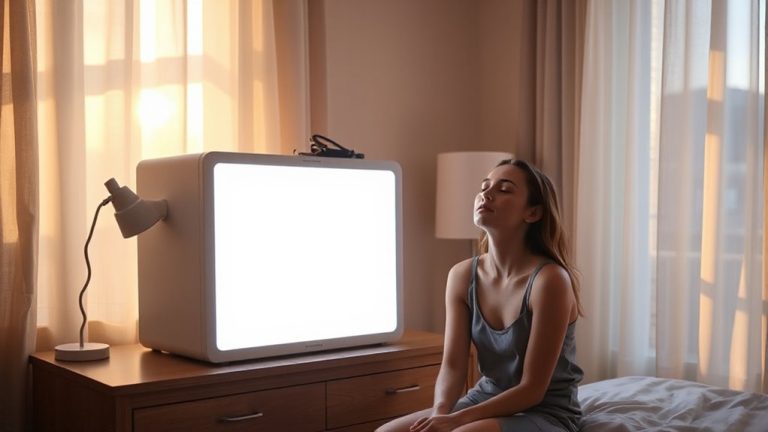
Lighting plays a quiet but powerful role in shaping your daily rhythm, just as consistent meals and exercise do. You’ll benefit from bright, blue-enriched light in the morning-natural sunlight is best, but if that’s hard to get, light therapy lamps offer a practical alternative. These devices emit 10,000 lux and work best when used for 20–30 minutes soon after waking. Throughout the day, position seating near windows to maximize natural exposure. In the evening, reduce overhead lighting and switch to warmer, dimmer bulbs to support melatonin release. Smart curtains can help by automatically adjusting to let in morning light or block late-day glare. They sync with apps or clocks, making consistency easier. When choosing lighting tools or window treatments, look for models with adjustable color temperature, easy controls, and warranties of at least one year. Small changes in your lighting environment can make a meaningful difference in how alert you feel during the day and how smoothly you shift into rest.
When Sleep Problems Need Medical Support
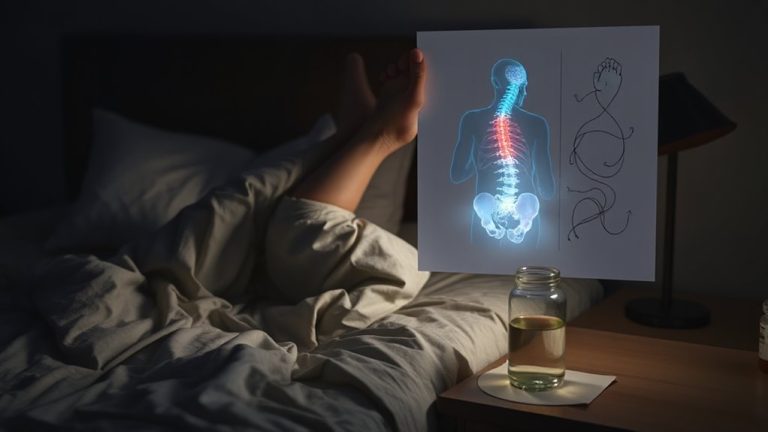
Could your sleep struggles be more than just poor habits or changing routines? If you’ve tried adjusting your schedule, improved lighting, and limited screen time but still face ongoing fatigue or insomnia, you might be dealing with underlying sleep disorders. Conditions like sleep apnea, restless legs syndrome, or chronic insomnia become more common with age and can disrupt circadian rhythms. These aren’t just nuisances-they can affect heart health, mood, and cognitive function. It’s time to seek a medical consultation if sleep problems last more than a few weeks or interfere with daily life. A doctor can evaluate symptoms, possibly recommend a sleep study, and guide you toward effective treatments. Don’t assume poor sleep is inevitable. With proper diagnosis and care, many sleep disorders respond well to therapy, medication, or lifestyle changes tailored to aging brain function.
On a final note
You can manage circadian shifts by aligning daily routines with natural light, maintaining consistent sleep times, and limiting evening screen exposure. Consider light therapy or melatonin supplements only after consulting a doctor, as effectiveness varies. Evaluate sleep aids carefully-some help short-term, but long-term use requires medical oversight. Small, consistent changes often support better rhythm regulation than quick fixes, especially when combined with a sleep-friendly environment and professional guidance if problems persist.