Why Advanced Sleep Phase Disorder Requires Evening Light Supplementation
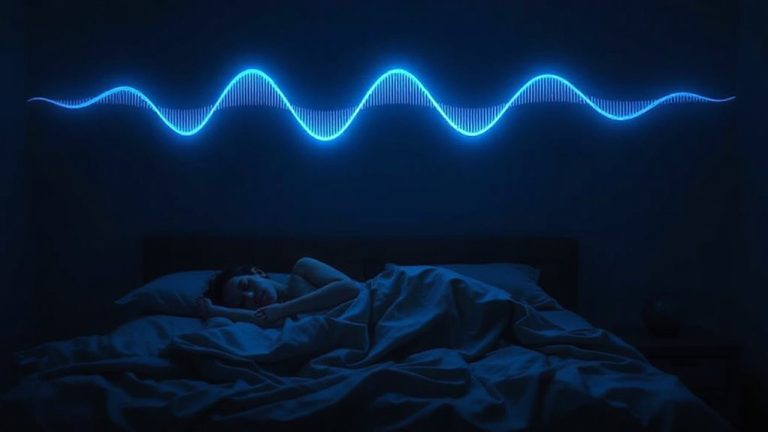
You have advanced sleep phase disorder because your internal clock makes you tired early and wake up too soon. Evening light therapy helps by delaying melatonin release, shifting your rhythm later. Use a 2,500–10,000 lux light box 30–60 minutes before bed, starting 1–2 hours before usual sleep time. Consistency and proper timing are key. Your body will adjust within a few weeks. More insights follow on how to optimize the process.
Notable Insights
- Advanced Sleep Phase Disorder causes an abnormally early sleep-wake cycle that misaligns with typical daily schedules.
- Evening light exposure delays melatonin release, shifting the internal clock later to correct early sleep onset.
- Timed light therapy in the evening helps realign circadian rhythms by influencing the suprachiasmatic nucleus.
- Blue-rich light in the evening is most effective for resetting the body’s natural sleep-wake timing.
- Consistent evening light supplementation can ease social, occupational, and personal disruptions caused by ASPD.
What Is Advanced Sleep Phase Disorder (ASPD)?
Picture your body’s internal clock shifting hours ahead, making you feel sleepy by early evening and wide awake before sunrise-that’s advanced sleep phase disorder (ASPD) simply put. Your circadian rhythm, the natural cycle dictating when you feel alert or tired, runs on an earlier timetable than most. This shift affects your sleep patterns, causing you to fall asleep and wake up much sooner than typical social or work schedules allow. While not dangerous, it can feel out of sync with daily life. ASPD often runs in families and becomes more common with age. The condition is different from just being a “morning person”-it’s a consistent, hard-to-change adjustment in your body’s clock. Though you can’t reset it completely with willpower, understanding your circadian rhythm helps you explore options like evening light therapy, which gently delays your sleep schedule for better alignment.
How Does ASPD Affect Your Daily Life?
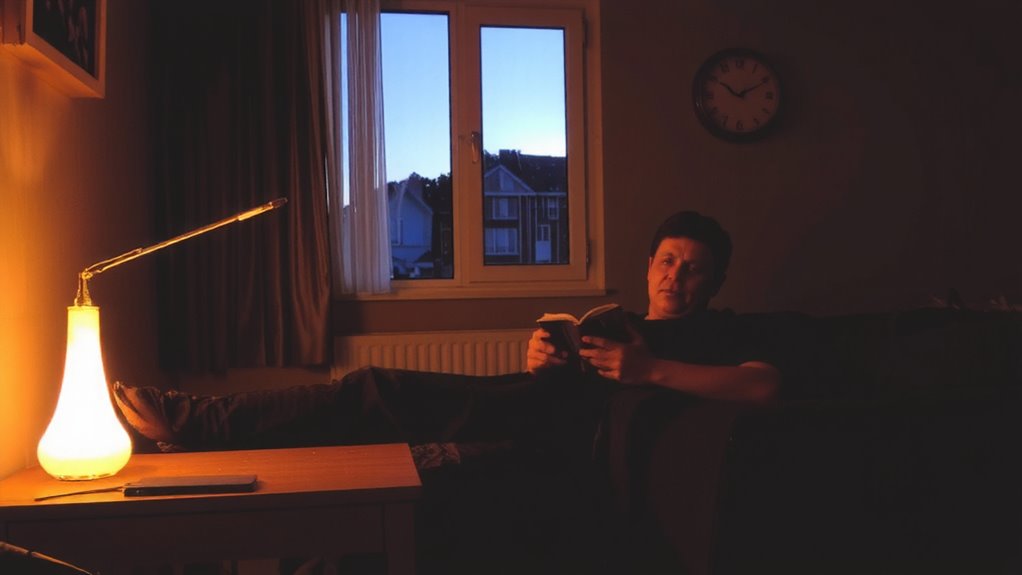
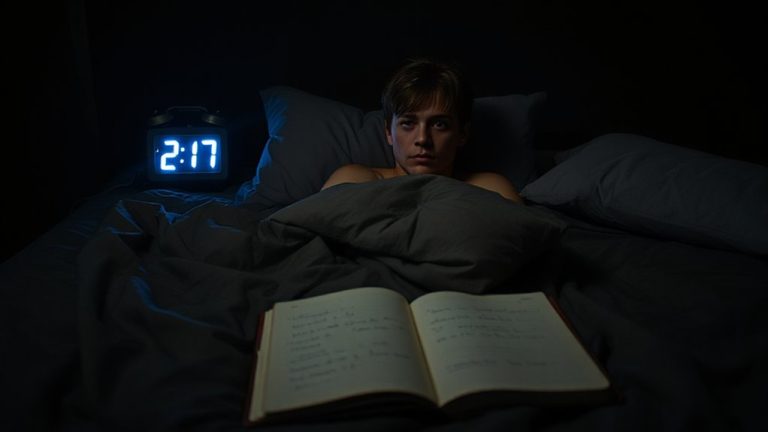
You might go to bed around 7 or 8 p.m. simply because you’re already exhausted, only to wake up by 3 or 4 a.m., wide awake and unable to sleep any longer-this early rhythm can make daily life feel out of step with the world. Early fatigue sets in long before evening, making it hard to stay alert for work, family, or social events. Missing dinners, gatherings, or activities increases your risk of social isolation, as routines don’t align with most people’s schedules. You may find yourself skipping plans just to avoid exhaustion, which over time can affect relationships and mood. This pattern isn’t just inconvenient-it disrupts work performance and personal well-being. While some adapt by adjusting commitments, others explore options to better align with societal rhythms. Recognizing how ASPD impacts daily function helps inform choices about managing sleep timing and related health effects.
Can Light Therapy Help Reset Your Sleep Schedule?
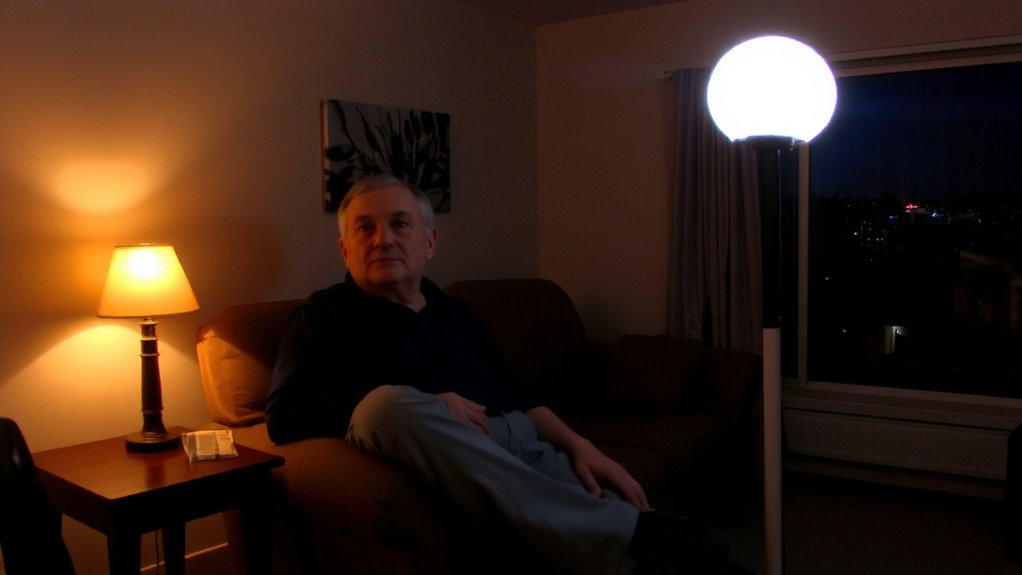
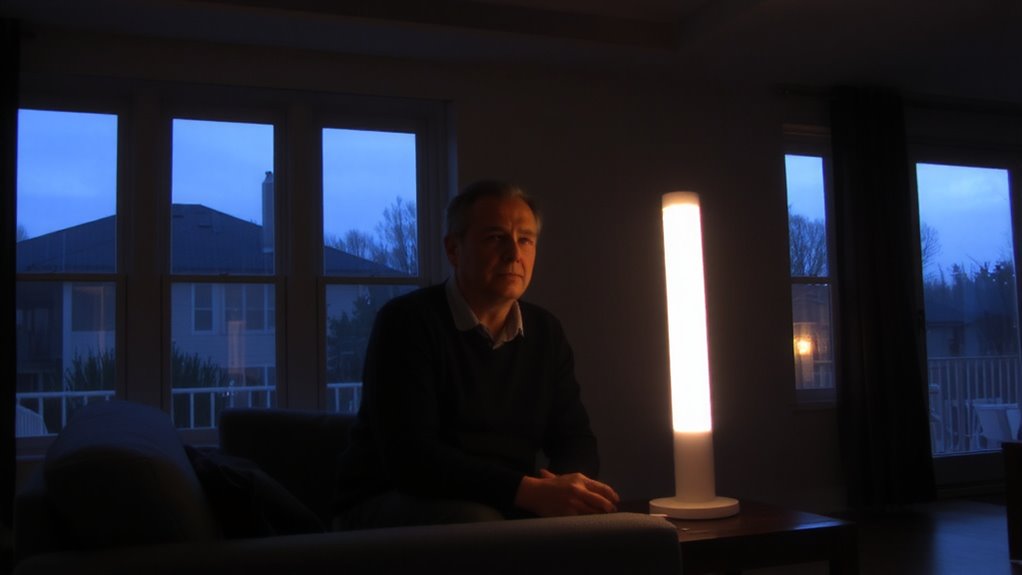
Could something as simple as timed light exposure help shift your sleep schedule later? Yes, light therapy can be effective, especially when you use it during evening exposure. Your body responds strongly to blue light, which influences your internal clock. By using a light box or bright lamp in the early evening, you signal that it’s not yet time to wind down. This delays your natural sleep cues just enough to shift your rhythm gradually. Most devices emit blue-enriched light around 10,000 lux, designed for safe, controlled use. Consistent evening exposure-starting 1 to 2 hours before your usual bedtime-works best over several days. Results vary, but many notice changes within a week. Look for models with timers and adjustable brightness. Some come with trial periods, letting you test what fits your routine. It’s non-invasive, drug-free, and fits easily into nightly habits.
How Does Evening Light Delay Melatonin and Shift Your Clock?
Why does evening light have such a powerful effect on your sleep timing? It’s because your brain links light exposure to your internal clock. Evening light triggers melatonin suppression, delaying the usual rise of this sleep hormone. This shift pushes your circadian rhythm later, aiding circadian entrainment to a more typical schedule. Exposure timing matters-light too early or late won’t help and could confuse your clock.
| Factor | Effect on Clock | Role in Entrainment |
|---|---|---|
| Bright evening light | Delays sleep onset | Promotes later melatonin rise |
| Melatonin suppression | Reduces sleep signals | Resets timing via SCN input |
| Consistent timing | Stabilizes rhythm | Supports long-term alignment |
This process helps align your body with desired sleep hours through natural cues.
How Should You Use Light Therapy at Night for ASPD?
What makes evening light therapy effective for advanced sleep phase disorder? You’re using light to delay melatonin release and shift your internal clock later. Start light therapy 1 to 2 hours before your current bedtime-this timing duration is key. Use it consistently each night, aiming for 30 to 60 minutes per session. Light intensity matters: aim for 2,500 to 10,000 lux, depending on how far you need to shift. Higher intensity allows shorter exposure, but begin moderate to assess tolerance. Sit within a few feet of the light source, keeping your eyes open but avoiding direct stares. Place the light where it shines indirectly on your face. Results often appear within a week, but it may take two to three weeks for full adjustment. Stick with it, and track changes in sleep onset to fine-tune timing duration and light intensity for your needs.
Which Light Box Is Best for Evening Use?
How do you choose a light box that fits well into an evening routine for managing advanced sleep phase disorder? Look for one with adjustable light intensity, ideally starting at 10,000 lux, so you can control exposure based on your sensitivity. A color temperature around 5,000 to 6,500K mimics natural daylight and supports alertness without overstimulating your system. Pick a box with a diffused surface to reduce glare and a design that allows comfortable use during quiet evening activities. Many models offer dimming options and timers, helping you stick to consistent sessions. Check whether the device has a solid build and certifications for eye safety. Brands often provide trial periods or warranties-use them to test effectiveness. Choosing the right balance of light intensity and color temperature helps sustain your circadian shift without disrupting relaxation.
What Other Habits Support Long-Term Circadian Reset?
Could consistency in daily routines be just as essential as light exposure when resetting your circadian rhythm? Yes, because stable lifestyle routines reinforce the effects of evening light therapy. Going to bed and waking up at the same time every day-even on weekends-helps anchor your internal clock. Combine this with solid sleep hygiene: keep your bedroom cool, dark, and quiet, and avoid screens at least an hour before bed. Limit caffeine after noon and avoid heavy meals late in the evening. Regular exercise, preferably in the morning or afternoon, also supports rhythm stability. While light boxes target timing directly, these habits maintain progress over time. Think of them as complementary-light adjusts the clock, but daily patterns keep it running smoothly. Together, they offer a practical, long-term approach to managing advanced sleep phase disorder with real, measurable results. Using a wake-up light can enhance morning alertness and support circadian alignment.
On a final note
You can manage advanced sleep phase disorder by using evening light therapy to delay melatonin release and shift your internal clock later. A bright, white light box (10,000 lux) used for 30–60 minutes in the early evening may help reset your rhythm. Choose one with a diffused surface and minimal UV output. Combine light exposure with consistent sleep habits and consult a provider for personalized adjustments. Always trial under guidance, especially if you have eye concerns or need warranty support.