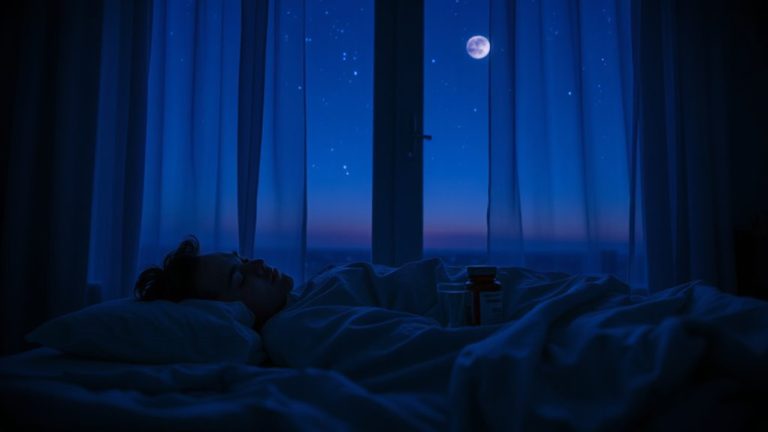
Chronobiology in Early Childhood Development: The Role of Environmental Light Exposure
Your child’s internal clock thrives on consistent light cues, especially morning sunlight that resets their circadian rhythm naturally. Exposure to natural daylight boosts alertness and regulates sleep timing, while evening darkness helps melatonin rise for smooth sleep onset. Limit screens at night-blue light from devices delays sleep. Use dim, warm lights after sunset and keep bedrooms dark. Simple adjustments to light exposure support healthier sleep than most sleep aids, with lasting benefits for mood and focus-there’s more to discover about shaping their daily light environment effectively.
Notable Insights
- Natural light exposure in the morning helps regulate children’s circadian rhythms, supporting healthy sleep and wake cycles.
- Consistent daylight access strengthens internal clock alignment, improving sleep quality and overall development in early childhood.
- Morning sunlight delays melatonin production, enhancing alertness and promoting synchronized sleep patterns in young children.
- Evening artificial light, especially from screens, suppresses melatonin and can delay sleep onset in children.
- Designing indoor environments with ample natural light access supports circadian health and optimal early childhood development.
What Chronobiology Means for Kids’ Sleep
While your child’s sleep patterns might seem unpredictable at times, understanding chronobiology-the study of biological rhythms-can help you make sense of their natural sleep-wake cycles. Every child has a circadian rhythm, an internal clock that regulates when they feel tired or alert, usually aligning with day and night. Supporting this rhythm improves sleep quality and overall health. Good sleep hygiene plays a key role-consistent bedtimes, calming routines, and limited screen time before bed help signal the body it’s time to rest. These habits are often more effective than sleep aids, which may not be necessary if routines are solid. If sleep issues persist, tracking patterns over time can help identify problems. Pediatricians may evaluate based on behavior, duration, and sleep environment. Choosing tools like nightlights or white noise machines should balance utility and simplicity. Warranties and safety standards matter if you opt for tech-based aids. For nighttime lighting, consider selecting a best sleep-friendly night light that supports melatonin production and minimizes circadian disruption.
How Light Sets Your Child’s Internal Clock
A good amount of natural light each day helps set your child’s internal clock more accurately than any sleep aid or gadget. Exposure to daylight, especially in the morning, strengthens circadian rhythms by signaling the brain to stay alert and delay melatonin production until nightfall. This consistent timing supports healthier sleep patterns over time. Without enough daylight, circadian rhythms can become misaligned, making it harder for your child to fall asleep or wake up on schedule. Artificial light doesn’t have the same effect-natural sunlight is brighter and contains the full spectrum needed to regulate these processes. You don’t need special equipment; simply spending time outdoors or near well-lit windows during the day makes a difference. Over time, regular light exposure improves sleep quality without relying on supplements or sleep aids, offering a low-cost, effective way to support your child’s long-term sleep health.
When Kids Need Light (and When to Avoid It)
When should your child be in bright light, and when is it better to dim the lights? Exposure to morning sunlight helps reset their internal clock, promoting alertness and consistent sleep patterns. Natural light in the early hours signals the brain to reduce melatonin, making wakefulness easier and more natural. For this, outdoor play or breakfast near a sunny window supports strong circadian alignment. Conversely, evening darkness is just as important. As daylight fades, minimal artificial light helps the body prepare for sleep by gradually increasing melatonin. Dimming household lights an hour before bedtime creates a smooth shift. Avoiding bright overhead lighting during this time maintains sensitivity to natural cues. Balancing these two-morning sunlight and evening darkness-improves sleep onset, quality, and overall rhythm. It’s a simple, effective method to support healthy development without added tools or interventions.
The Danger of Night Lights and Late Screen Time
You’ve already seen how morning light supports alertness and how evening darkness helps the body wind down-now consider what happens when artificial light interrupts that darkness. Night lights and late screen time can lead to melatonin suppression, delaying sleep onset and causing circadian desynchronization. Even dim light at night tricks the brain into thinking it’s still daytime, disrupting natural rhythms. A good sleep environment includes proper arm support for side sleepers, which can further enhance restful sleep by reducing discomfort and movement during the night.
| Source | Effect on Sleep |
|---|---|
| LED night light | Mild melatonin suppression |
| Tablet or phone | Strong melatonin suppression |
| Overhead room light | High risk of circadian desynchronization |
| Blue-enriched light | Severe sleep onset delay |
This interference may contribute to sleep disorders over time. Opting for minimal light exposure at night supports healthier sleep patterns. Consider warm, low-intensity options if needed, but prioritize darkness for prime development.
How to Boost Natural Light at Home and School
Why not start by evaluating how much natural light currently reaches the spaces where children spend their days? You can improve exposure simply by adjusting window placement to face east, capturing morning sunlight critical for setting circadian rhythms. Larger windows or skylights help, but consider light diffusion materials like sheer curtains or frosted glass to evenly spread brightness without glare. At school, arrange desks near windows and use reflective surfaces to boost illumination. At home, trim outdoor foliage blocking sunlight and use light-colored walls to enhance diffusion. Avoid heavy drapes during daytime hours. These changes support alertness and regulate sleep patterns. You don’t need costly renovations-small, deliberate updates can make a measurable difference in how children respond to daily light cues, influencing sleep quality and overall development.
Why Blue Light Disrupts Young Children’s Sleep
Though blue light plays a key role in daytime alertness, it can interfere with sleep when children are exposed to it too close to bedtime. You might notice restlessness or delayed sleep onset because blue light causes melatonin suppression, reducing the hormone needed for sleep. This can lead to circadian misalignment, where your child’s internal clock doesn’t match their environment. Consistent exposure in the evening worsens sleep quality over time. Using a projector alarm clock can help minimize blue light exposure while still providing time visibility during nighttime hours.
| Light Source | Blue Light Intensity | Recommended Evening Use |
|---|---|---|
| LED Screen | High | Avoid 1–2 hours before bed |
| Incandescent Bulb | Low | Acceptable with dimming |
| Smart Device | Very High | Use blue light filter mode |
Help regulate sleep by limiting high-intensity sources. Consider trial periods with filtered lighting or screen settings to assess changes in sleep onset and mood. Warranties on blue light–filtering products often cover 1 year, supporting practical testing.
Create Clock-Friendly Daily Routines for Kids
Starting a consistent daily routine helps anchor your child’s internal clock, making sleep times easier to manage after addressing factors like evening light exposure. You’ll find that aligning nap timing with natural circadian rhythms supports better nighttime sleep and reduces nighttime awakenings. Aim for morning and early afternoon outdoor play, as daylight exposure helps regulate melatonin release and strengthens the body’s internal clock. Keep naps at predictable times and durations-too late or too long can interfere with bedtime. Pair structured play with calm periods before sleep. Avoid screens and bright lights in the evening, and instead, use dim, warm lighting. Consistency matters most, even on weekends. Over time, these patterns support healthier sleep onset and duration, reducing the need for sleep aids or interventions.
On a final note
You can support your child’s sleep by aligning daily routines with natural light cycles. Morning and daytime light helps set their internal clock, while dim lighting and screen limits at night prevent sleep disruption. Blue light from devices delays melatonin release, making it harder to fall asleep. Prioritize exposure to sunlight during the day and keep evenings calm and screen-free. These consistent, low-cost steps improve sleep quality without relying on aids, offering a practical, science-based approach to healthier rest.