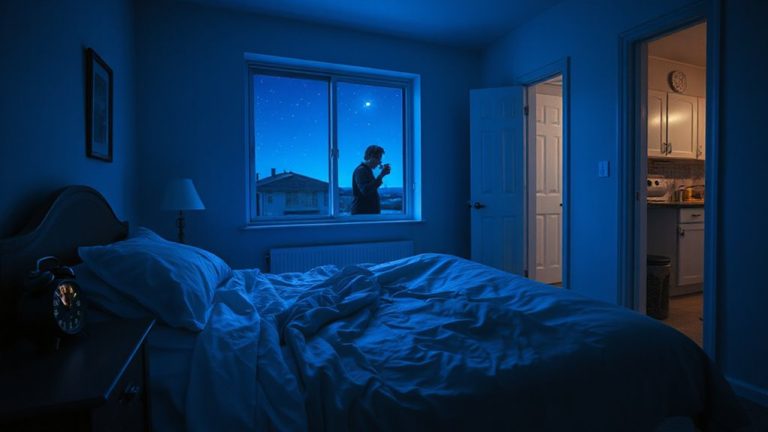
Chronobiology for Athletes: Maximizing Performance Through Proper Circadian Rhythm Management
You perform best when training, eating, and sleeping align with your natural rhythm. Body temperature and hormone levels peak in the late afternoon, boosting strength and focus. Time meals 2–3 hours before workouts and hydr regain energy fast after. Sleep at consistent times nightly to support recovery, and address issues like insomnia early. Avoid long-term sleep aids that disrupt deep rest. Morning light and regular routines reset your clock. There’s more to gain by matching biology with training goals.
Notable Insights
- Train during late afternoon or early evening when body temperature and hormone levels optimize strength and endurance.
- Consume a balanced meal 2–3 hours pre-workout and a 3:1 carb-to-protein snack within 45 minutes post-training.
- Align sleep with circadian rhythm by maintaining consistent bed and wake times daily, including weekends.
- Expose yourself to morning sunlight to reset your internal clock and enhance daytime alertness.
- Avoid late-night eating and bright screens to protect melatonin release and support quality recovery sleep.
How Circadian Rhythm Drives Athletic Performance
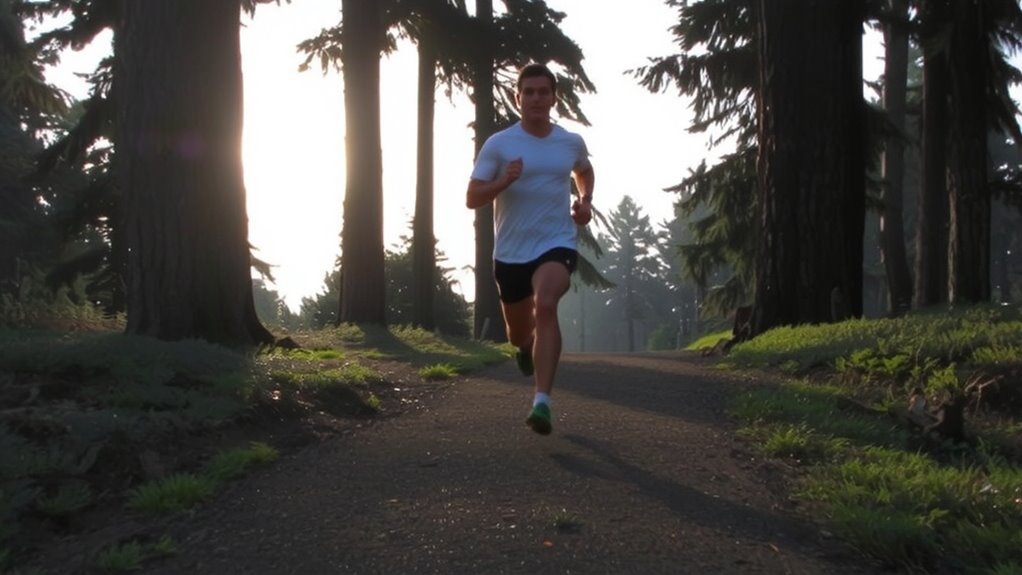
While your body’s internal clock runs on a roughly 24-hour cycle, it’s the timing of your peak energy and alertness that really shapes how well you perform, and that’s tied directly to your circadian rhythm. Your body temperature rises in the morning, helping increase muscle function and alertness, then peaks in the late afternoon-timing that supports stronger endurance and quicker reaction times. Hormone fluctuations, like cortisol in the morning and melatonin at night, guide wakefulness and recovery. Aligning your training and competition with these natural shifts can boost performance. If you struggle with sleep timing or wakefulness, consider evaluating sleep disorders like delayed sleep phase syndrome. Over-the-counter sleep aids may help temporarily, but they don’t fix underlying rhythm issues. Prioritize consistent sleep and wake times, even on weekends, to stabilize your internal clock. Small, sustained adjustments work better than drastic changes.
Train When Your Body Is Biologically Ready
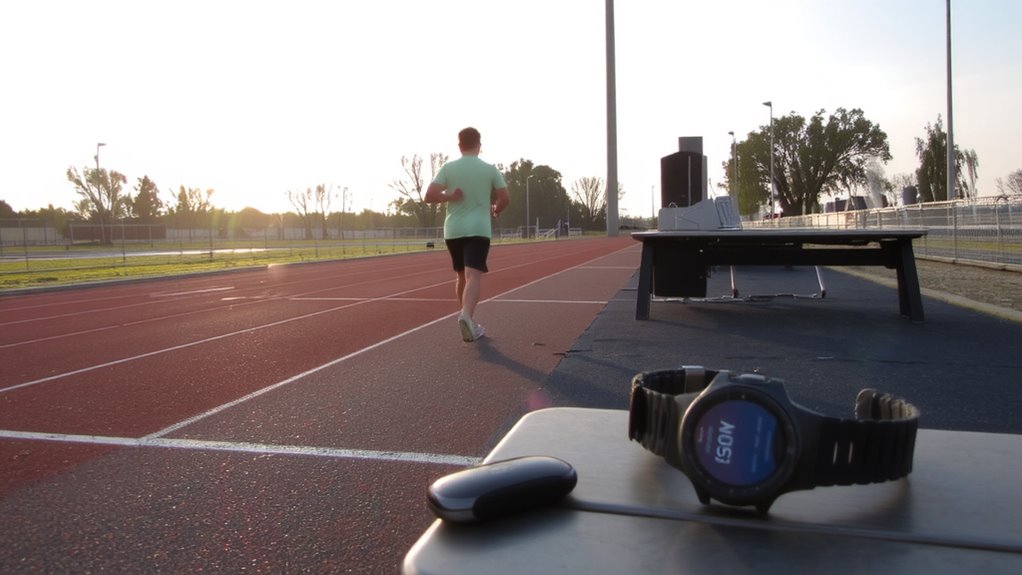
Since your body performs best when training aligns with its natural energy peaks, timing your workouts to match your circadian rhythm can make a noticeable difference in strength, endurance, and focus. You’re more likely to train effectively when your biological readiness is high, usually in the late afternoon or early evening for most people. Core body temperature and hormone levels, like cortisol and testosterone, support better muscle function and reaction time during this peak timing. If you’re a morning person, you may find your rhythm shifts earlier. Experiment with workout times for a few weeks, tracking energy and performance, to pinpoint your ideal window. Poor sleep or untreated sleep disorders can delay readiness, so prioritize consistent rest. Avoid sleep aids unless advised by a doctor, as they may alter natural cycles. Small adjustments can improve performance without major changes to your schedule.
Time Meals and Hydration to Match Energy Peaks

How you fuel your body matters just as much as when you train. Aligning meal timing with your energy peaks boosts performance and digestion. Eat a balanced meal 2–3 hours before training to maintain blood sugar and stamina. If you train early, a light snack like banana and peanut butter works better than a heavy meal. Post-workout nutrition within 45 minutes helps recovery, especially with a 3:1 carb-to-protein ratio. Hydration scheduling is just as essential-start sipping water upon waking and continue steadily. Don’t wait until you’re thirsty; that’s a sign of mild dehydration. Sip electrolyte drinks during intense sessions lasting over an hour. Spreading meals and hydration throughout active periods supports steady energy. This approach fits varied routines and improves focus, strength, and endurance. Small adjustments in meal timing and hydration scheduling make a measurable difference over time.
Sleep in Sync With Your Body Clock for Recovery
Even a single night of poor sleep can slow your recovery and dull your performance, so tuning your rest schedule to your body’s natural rhythm makes a real difference. When you align your sleep with your body clock, you boost both sleep quality and recovery timing, helping your muscles repair and your mind recharge more effectively. Aim to go to bed and wake up at the same time every day, even on weekends, to strengthen your circadian rhythm. If you struggle with falling or staying asleep, consider evaluating sleep disorders like insomnia or sleep apnea with a specialist. Over-the-counter sleep aids may offer short-term help, but they don’t improve deep sleep quality and can affect recovery timing if used long-term. Instead, focus on consistent sleep habits and a dark, cool environment to support natural rest and long-term athletic performance.
Reset Your Rhythm With Light, Food, and Routine
What if the key to sharper energy and better recovery wasn’t found in a pill, but in your daily habits? You can reset your rhythm by aligning light exposure, meal timing, and daily structure with your body’s natural clock. Start each day with bright light-natural sunlight is best-to signal wakefulness and improve alertness. This early light exposure helps regulate melatonin and sharpens your internal timing. Eat meals at consistent times, especially breakfast and lunch, to support stable energy and digestion; avoid late-night eating, which can disrupt sleep and recovery. Your body thrives on routine, so train, eat, and sleep at roughly the same times every day. Even on rest days, keeping a steady schedule strengthens circadian function, leading to better performance over time. Small, consistent choices add up.
On a final note
You’ll perform better when your training, eating, and sleeping align with your body’s natural rhythm. Pay attention to your energy peaks and dips throughout the day, then adjust routines gently. If sleep problems persist, consider talking to a doctor before using aids. Small, consistent changes in light exposure, meal timing, and bedtime habits can reset your clock. Try adjustments one at a time, track results for a few days, and keep what works.