Best Sleep Improvement Systems for Deep, Restful Nights
You get better sleep by pairing proven systems to your specific needs. Try melatonin-free blends like Sports Research Sleep Complex or Sleep Support Capsules for natural relaxation. For shoulder pain, use the MedCline wedge pillow to align your arm and reduce pressure. Positional aids like the Calma Clip v2 train you to stay off your back and reduce snoring. Supplements with magnesium, GABA, and L-theanine support calm without grogginess, while devices with medical-grade foam last longer and promote proper posture; look for third-party tested products and money-back guarantees to make trying safer. Unique solutions exist, and the right combination can improve both sleep depth and quality.
We are supported by our audience. When you purchase through links on our site, we may earn an affiliate commission, at no extra cost for you. Learn more. Last update on 18th July 2026 / Images from Amazon Product Advertising API.
Notable Insights
- Choose melatonin-free supplements with magnesium, L-theanine, and valerian root for natural relaxation and sustained sleep without grogginess.
- Opt for multi-action sleep aids with melatonin, ashwagandha, and GABA to fall asleep faster and stay asleep longer.
- Use the MedCline Shoulder Relief Bed Wedge Pillow to maintain proper alignment and relieve shoulder pain during side sleeping.
- Support side-sleeping posture with positional aids like the Calma Clip v2 to prevent back rolling and reduce snoring.
- Prioritize transparent, high-quality sleep supplements with third-party testing, non-GMO, and vegan certifications for safety and effectiveness.
Sports Research Sleep Complex (30 Servings)

If you’re looking for a melatonin-free option that still delivers deep, restorative sleep, Sports Research Sleep Complex could be your best choice among sleep support systems. I’ve found it helps me unwind without next-day grogginess. Its 5-in-1 blend includes three types of magnesium, 200 mg L-Theanine, 125 mg GABA, 100 mg 5-HTP, and valerian root standardized to 2% valerenic acid, which together support relaxation and faster sleep onset. It’s vegan, Non-GMO, and free of gluten, soy, and fillers. Made in a U.S. cGMP facility, it’s third-party tested for purity.
Best For: Individuals seeking a melatonin-free, comprehensive sleep supplement that supports relaxation and faster sleep onset without next-day drowsiness.
Pros:
- Features a science-backed, 5-in-1 blend with magnesium, L-Theanine, GABA, 5-HTP, and standardized valerian root for synergistic sleep support
- Vegan, Non-GMO Project Verified, and free of gluten, soy, and unnecessary fillers, ideal for those with dietary sensitivities
- Manufactured in a U.S.-based cGMP facility and third-party tested to ensure purity and quality
Cons:
- May not be effective for individuals who require melatonin for sleep regulation
- Contains multiple active ingredients, which could be overwhelming or cause sensitivity in some users
- Limited to 30 servings per container, requiring frequent reordering for long-term use
MedCline Shoulder Relief Bed Wedge Pillow (Large)

The MedCline Shoulder Relief Bed Wedge Pillow (Large) stands out for taller adults-especially those 5’10” and above-seeking targeted relief from shoulder pain caused by conditions like bursitis, tendonitis, or rotator cuff injuries. I use its patented system to keep my arm aligned and pressure off my shoulder, thanks to the incline and built-in arm pocket. The medical-grade foam layers offer durable support, and I can adjust the body pillow’s firmness to suit my comfort. At 6 inches high and 34 inches long, it fits my frame well. I noticed improvements after using it consistently for three weeks. It’s FSA-eligible and comes with removable, washable covers-making maintenance simple and practical.
Best For: Taller adults (5’10” and above) seeking targeted relief from shoulder pain due to bursitis, tendonitis, or rotator cuff injuries.
Pros:
- Patented design with arm pocket and inclined wedge promotes neutral arm alignment and reduces shoulder pressure
- Medical-grade foam construction ensures durability and long-term support
- Adjustable body pillow and removable, washable covers enhance comfort and ease of maintenance
Cons:
- Designed specifically for taller individuals, making it less suitable for those under 5’10”
- Requires 2–4 weeks of consistent use to adapt to the new sleep position
- Higher price point compared to standard wedge pillows due to medical-grade materials and specialized design
Ball for Side Sleep Posture – Calma Clip v2
Ever wonder who benefits most from adding the Ball for Side Sleep Posture – Calma Clip v2 to their nightly routine? I’ve found it’s ideal for people who snore when lying on their back. The device clips onto your shirt’s upper back-plastic on the outside, foam inside-and keeps you from rolling flat during sleep. It’s meant only for positional snorers, not those who snore on their side or stomach. Experts recommend it as a non-invasive way to improve airflow and sleep quality. At first, it might shift at night, but using it consistently trains your body to stay on your side. You’ll need to clip it on each night; sleepwear isn’t included.
Best For: Individuals who snore primarily while sleeping on their back and are seeking a non-invasive way to maintain a side-sleeping posture.
Pros:
- Effectively prevents back sleeping by using a simple clip-and-ball design that discourages rolling onto the back
- Recommended by snore therapy experts as a non-invasive method to improve airflow and reduce snoring
- Promotes long-term habit formation of side sleeping with consistent nightly use
Cons:
- Only effective for positional snorers who snore when on their back, not for side or stomach snorers
- May dislodge during the night initially, requiring an adaptation period
- Requires a separate shirt to attach to; sleepwear is not included
Boiron SleepCalm Sleep Aid (60 Count)

When restless thoughts keep me up or I need a gentle way to reset my sleep rhythm, Boiron SleepCalm Meltaway Tablets become a go-to choice-especially if I prefer melatonin-free, plant-based support. These unflavored tablets dissolve quickly in my mouth, no water needed, and I can take them anytime, even on an empty stomach. I appreciate that they’re non-habit forming, gluten-free, and have no artificial additives. Made by a trusted brand following strict quality standards, they’re safe to use alongside other supplements. Suitable for me and my teen, they’re also HSA/FSA-eligible, which adds value.
Best For: Individuals seeking a melatonin-free, plant-based sleep aid to support restful sleep without habit-forming ingredients.
Pros:
- Non-habit forming and melatonin-free with plant-powered, homeopathic ingredients
- Unflavored meltaway tablets dissolve quickly without water, ideal for any time use
- Gluten-free, free of artificial additives, and safe to use with other medications or supplements
Cons:
- May not provide immediate or strong sedative effects for severe insomnia
- Limited efficacy for those who prefer or require melatonin in sleep aids
- Not recommended for children under 12 years old
Sleep Support Capsules (12-in-1, 90 Capsules)

You’re likely weighing options because you’ve tried quick fixes that left you groggy or dependent-this melatonin-free formula stands out for those seeking a sustainable path to better sleep without synthetic additives. I take two capsules before bed, and the blend of magnesium glycinate, L-theanine, and GABA helps me unwind naturally. Ashwagandha and 5-HTP support calmness, while valerian root and chamomile ease me into rest. L-tryptophan boosts serotonin, aiding sleep cycles, and black pepper extract increases absorption. I’ve noticed deeper rest and alert mornings. The 90-count vegan bottle lasts a month with consistent use, supports long-term rhythm, and isn’t habit-forming.
Best For: Individuals seeking a non-habit-forming, melatonin-free sleep aid to support natural relaxation, sustained sleep, and refreshed mornings without grogginess.
Pros:
- Combines 12 synergistic, nature-derived ingredients like magnesium glycinate, L-theanine, and GABA to promote calmness and deep sleep
- Vegan, non-habit forming, and designed to support long-term sleep rhythm without synthetic additives
- Enhanced bioavailability with black pepper extract and formulated for consistent, grogginess-free mornings
Cons:
- May take several days of consistent use to notice full effects, not ideal for immediate sleep relief
- Contains multiple herbal ingredients which could trigger sensitivities in some individuals
- 90-count supply assumes nightly use, which may be faster than desired for users taking breaks
MedCline Shoulder Relief Bed Wedge Pillow
The MedCline Shoulder Relief Bed Wedge Pillow stands out for anyone dealing with persistent shoulder pain, especially if you sleep on your side and struggle with conditions like bursitis or rotator cuff strain. It uses a patented system that inclines your body and supports your arm in a neutral position, reducing pressure. The kit includes a wedge (6H x 30W x 31L) and an adjustable body pillow (50L), best for those 5’9″ and under. Medical-grade foam layers offer lasting comfort and alignment. I needed 2–4 weeks to adjust, but consistent use brought clearer benefits. It’s FSA-eligible, which helps offset cost, and works well for non-invasive nighttime pain relief.
Best For: Individuals with chronic shoulder pain, particularly side sleepers managing conditions like bursitis, tendonitis, or rotator cuff injuries who want therapeutic alignment during sleep.
Pros:
- Patented design reduces pressure on the downside shoulder and arm with an inclined wedge and arm pocket for neutral alignment
- Includes customizable body pillow and is constructed with durable medical-grade foam for long-term support
- FSA-eligible, making it an accessible, non-invasive option for nighttime pain relief
Cons:
- Requires a 2–4 week adjustment period to acclimate to the elevated, inclined sleep position
- Designed for individuals 5’9″ and under, which may limit suitability for taller users
- Higher price point compared to standard bed wedges, though justified by medical-grade construction
Natural Vitality Sleep Gummies (120 Count)
One bottle of Natural Vitality Sleep Gummies gives me 60 nights of support when I take two gummies before bed, making this a solid pick for anyone seeking a convenient, plant-based way to improve their sleep routine. I like that these gummies combine magnesium citrate, melatonin, and L-theanine-three ingredients shown to help the body relax. The blueberry pomegranate flavor is mild, and since they’re vegan and gluten-free, they fit a range of diets. They don’t knock me out, but they do ease the shift into sleep, which helps me wake up feeling clearer-headed.
Best For: Individuals seeking a vegan, gluten-free sleep aid that combines magnesium citrate, melatonin, and L-theanine to support relaxation and improve sleep onset.
Pros:
- Combines three well-researched ingredients (magnesium citrate, melatonin, and L-theanine) for comprehensive sleep support
- Convenient chewable gummy format with a mild, pleasant blueberry pomegranate flavor
- Suitable for various dietary preferences, including vegan and gluten-free
Cons:
- Provides only two gummies per night, meaning a 120-count bottle lasts 60 nights, which may be less cost-effective
- Effects are subtle and may not be strong enough for those with severe insomnia
- Contains melatonin, which some users may prefer to avoid due to potential next-day drowsiness or dependency concerns
Relaxium Sleep Aid with Melatonin & Magnesium (60 Caps)

Dr. Ciliberti designed Relaxium Sleep Aid to help people struggling with sleep, and I’ve found it’s worth considering if you’re looking for a non-habit-forming option. It combines 5mg of melatonin, magnesium glycinate, Valerest, ashwagandha, passionflower, GABA, and chamomile in a triple-action blend meant to help you fall asleep faster, stay asleep longer, and wake up feeling refreshed. The formula targets both mind and body, promoting relaxation and supporting natural sleep cycles. It also may help immune health by reducing sleep deprivation effects. Each bottle has 60 easy-to-swallow capsules-about a 30-day supply. It’s backed by a 30-day money-back guarantee, so trying it carries little risk.
Best For: Individuals seeking a non-habit-forming sleep aid to fall asleep faster, stay asleep longer, and wake up refreshed without grogginess.
Pros:
- Contains a scientifically formulated blend with melatonin, magnesium glycinate, and Valerest to support sleep onset, duration, and quality
- Developed by a neurologist and includes ingredients like ashwagandha, passionflower, and chamomile to calm the mind and relax the body
- Backed by a 30-day money-back guarantee, making it a low-risk option to try
Cons:
- Contains 5mg of melatonin, which may be too high a dose for some individuals and could potentially cause grogginess
- Not recommended for pregnant or nursing women without medical approval
- May interact with prescription medications, requiring consultation with a healthcare provider before use
Relaxium Sleep Aid 5mg Melatonin (60 Capsules)

If you’re struggling to fall asleep, stay asleep, or wake up feeling refreshed, Relaxium Sleep Aid 5mg Melatonin (60 Capsules) might be the right fit-especially if you prefer a science-backed supplement designed for holistic sleep support. I rely on its blend of 5mg melatonin, magnesium glycinate, Valerest, ashwagandha, passionflower, GABA, and chamomile to ease my mind and body into rest. Developed by neurologist Dr. Eric Ciliberti, it uses a triple-action approach: calming thoughts, relaxing muscles, and resetting sleep cycles. It’s non-habit forming, helps me sleep deeply, and I wake up alert. Each bottle gives me a 30-day supply, and the money-back guarantee lets me try it risk-free-though I always check with my doctor first.
Best For: Individuals struggling with falling asleep, staying asleep, or waking up groggy who prefer a science-backed, non-habit forming sleep aid with natural ingredients to support restorative sleep and overall well-being.
Pros:
- Combines 5mg melatonin with magnesium glycinate, Valerest, ashwagandha, and other natural ingredients for a synergistic, triple-action approach to sleep support
- Developed by a neurologist, Dr. Eric Ciliberti, MD, to help calm the mind, relax the body, and reset natural sleep cycles
- Non-habit forming formula with a 30-day supply per bottle and a money-back guarantee for risk-free trial
Cons:
- Contains 5mg melatonin, which may be too high a dose for some individuals, potentially causing grogginess if sensitive
- Proprietary blend (Valerest) lacks full ingredient transparency regarding exact amounts and mechanisms
- Recommended to consult a healthcare provider before use, especially for pregnant/nursing individuals or those on prescription medications
MedCline Shoulder Relief Bed Wedge Pillow
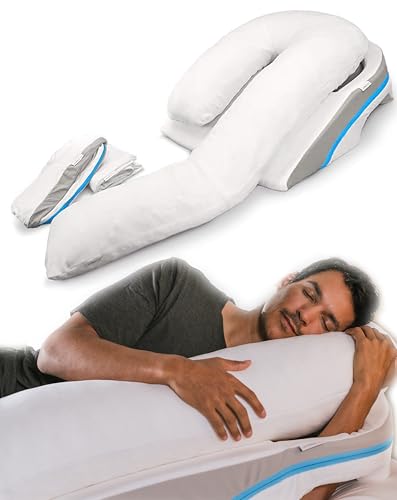
You’ll find the MedCline Shoulder Relief Bed Wedge Pillow especially helpful if you’re dealing with ongoing shoulder pain and need support while sleeping on your side. I use it nightly, and it reduces pressure on my downside arm while keeping my shoulder aligned. The system includes a 6H x 30W x 31L wedge and a 50-inch body pillow with adjustable stuffing, so I can fine-tune the support. It’s built with medical-grade foam that’s held up well over time. I noticed improvement after about three weeks, though the adjustment period took some patience. It’s FSA-eligible, which helps with cost.
Best For: Individuals with chronic shoulder pain seeking therapeutic support and proper alignment while side sleeping, especially those with conditions like tendonitis, bursitis, or rotator cuff injuries.
Pros:
- Effectively reduces pressure on the downside arm with patented design and arm pocket for neutral alignment
- Includes adjustable body pillow and durable medical-grade foam for customized, long-lasting support
- FSA-eligible and designed to provide therapeutic benefits over time with consistent use
Cons:
- Requires a 2–4 week adjustment period that may be uncomfortable for some users
- Designed for individuals 5’9″ and under, limiting suitability for taller users
- Higher price point compared to standard wedge or body pillows
Factors to Consider When Choosing a Sleep Improvement System
You’ll want to match the system to your specific sleep issue, whether it’s insomnia, snoring, or acid reflux, so it actually helps the problem you’re facing. Check the ingredients or materials-like foam density, fabric breathability, or supplement dosages-since quality and durability affect both comfort and long-term use. Also, think about how easy it is to set up and whether it fits your sleeping position, because even the best system won’t work if you won’t use it consistently.
Type of Sleep Issue
When choosing a sleep improvement system, matching the solution to your specific sleep issue makes a meaningful difference in effectiveness. If you struggle to fall asleep, look for options that help relax your nervous system and shorten sleep onset. For chronic shoulder pain, choose supportive designs that keep your arms aligned and relieve pressure while you rest. If you snore more when lying on your back, positional aids that encourage side sleeping can make a noticeable improvement. When nighttime awakenings or restless sleep disrupt your rest, pick systems that promote longer, uninterrupted sleep and reduce how often you wake up. If stress or a racing mind keeps you up, go for solutions that quiet mental activity and support your body’s natural sleep rhythm. Knowing your main sleep challenge helps you find a system built to address it-saving time, improving comfort, and increasing your chances of better sleep.
Ingredients and Formulation
While some sleep supplements rely on strong sedatives or hormones, choosing one with well-researched ingredients can make a meaningful difference in how naturally and comfortably you drift off. You’ll want to look for magnesium glycinate, which helps relax your muscles and supports a smooth shift into sleep. Include L-theanine and GABA to calm your mind and nervous system, helping you fall asleep faster. If you prefer a non-hormonal option, skip melatonin and opt for herbal extracts like valerian root or chamomile, known for their soothing effects. Don’t overlook bioavailability-formulas with black pepper extract boost absorption, so your body uses the key ingredients more effectively. Choosing a well-balanced blend means you’re not just sedated but supported through natural sleep cycles, leading to deeper, more restorative rest over time.
Material Quality and Durability
High-quality materials form the backbone of any effective sleep improvement system, just as carefully selected ingredients support restful sleep from within. You’ll want systems built with medical-grade foams that keep their shape and support, even after months of nightly use. These multi-layer designs resist sagging and compression, so you stay properly aligned. Look for third-party tested products - they confirm consistent density, firmness, and pressure relief. Durable materials also handle body weight, movement, and humidity without breaking down. Covers should be removable, washable, and made from breathable, hypoallergenic fabric to maintain cleanliness and airflow. Non-degrading components mean long-term performance, especially in changing temperatures. You’re not just buying comfort - you’re investing in lasting function. Check warranty terms and trial periods to test durability firsthand, since well-built systems often back their claims with longer guarantees.
Ease of Use and Setup
Since ease of use can shape how consistently you stick with a sleep improvement system, it’s worth considering how quickly and smoothly it fits into your nightly routine. Look for tools with no moving or electronic parts-they set up fast and need little instruction. If a device attaches to clothing or bedding, you’ll likely reapply it each night, adding to daily effort. Models with removable, washable covers make maintenance easy and keep hygiene simple. Adjustable features like firmness controls or modular sections let you personalize your setup, though they may take time to configure at first. Some systems, especially those requiring precise alignment, need a 2–4 week adjustment period before they feel natural. While customization helps long-term comfort, it can slow initial use. Prioritize designs that balance quick setup with long-term adaptability so you can stay consistent without frustration.
Compatibility With Sleeping Position
Your sleeping position plays a key role in how well a sleep improvement system supports your body and enhances rest. If you sleep on your side, look for systems that offer elevated arm support and an inclined surface to keep your shoulders aligned and reduce strain on the rotator cuff. Back sleepers benefit from adjustable head and neck elevation plus lumbar support to maintain the spine’s natural curve. For stomach sleepers, choose thinner pillows or low-profile supports that limit neck twisting and spinal misalignment. Adjustable inclines help open your airway, especially if you snore or experience breathing disruptions. Some systems even include positional therapy features that gently encourage side sleeping to reduce airway collapse. Make sure the system you pick matches your usual sleep posture and allows you to test it with a trial period.
Medical Validation and Safety
When choosing a sleep improvement system, it’s important to take into account whether the product has real medical backing and meets safety standards. Look for solutions tested in clinical studies that show clear improvements in how fast you fall asleep, how long you sleep, or overall sleep quality. Pick non-habit-forming options to avoid dependency, and make sure they won’t leave you groggy or affect your focus the next day. Choose products made following cGMP guidelines, which guarantee they’re pure, consistent, and labeled correctly. Always check for third-party testing that confirms the absence of harmful substances like heavy metals or microbes, especially in supplements or materials touching your skin. If you plan to use FSA or HSA funds, confirm the product qualifies, which usually means it must have proven therapeutic purpose backed by science. These steps help you stay safe while making informed choices.
Adaptation Period Required
Though you might expect immediate results, most effective sleep improvement systems need time for your body to adjust, especially those that change your sleep position or routine. You’ll likely need 2–4 weeks to acclimate, and consistent nightly use over a full month is often required to see real benefits. During this phase, you may feel some discomfort or notice disrupted sleep as your body adapts to new alignment or habits. That’s normal-gradual adjustment helps your muscles, joints, and nervous system relearn restful patterns. Positional aids and behavioral tools work best when you give them time. Check if the product offers a trial period so you can test it without risk. Look for clear usage instructions and customer support to guide you through the adjustment. Patience and regular use are key to lasting improvement.
Frequently Asked Questions
How Long Before Sleep Should I Take Melatonin?
You should take melatonin about 30 to 60 minutes before bedtime. Your body absorbs it quickly, and it helps signal that it’s time to sleep. If you take it too early, you might feel drowsy before bed; too late, and your sleep cycle could shift. Start with a low dose, like 0.5 to 1 mg, and adjust as needed.
Are Sleep Gummies Safe for Daily Use?
You can use sleep gummies daily, but it’s best to proceed with caution. They often contain melatonin, which is generally safe short-term, but long-term effects aren’t well studied. Your body might become reliant, reducing natural production. Always check labels for added ingredients like herbs or CBD. Start with the lowest dose, track your response, and consult a doctor if used beyond a few weeks.
Can Posture Balls Help With Back Pain?
Yes, posture balls can help with back pain by encouraging core engagement and improving spinal alignment when you sit. You’ll find they work best if you use them correctly and consistently. Most are inflatable, durable, and designed to support your lower back. Try one for a few days-if discomfort continues, switch back or consult a professional. Many come with warranties, so test them risk-free.
Do Sleep Aids Cause Grogginess the Next Day?
Yes, some sleep aids can leave you feeling groggy the next day, especially if they’re antihistamine-based or taken without medical guidance. You’ll want to check how long the drug stays in your system-longer half-lives often mean more morning drowsiness. Newer prescription aids and melatonin supplements usually clear faster, reducing that risk. Always review dosage, timing, and trial periods. Consider talking to a doctor, especially if you notice ongoing drowsiness or side effects.
Is the Wedge Pillow Suitable for Stomach Sleepers?
No, wedge pillows aren’t ideal for stomach sleepers. You’ll likely strain your neck and spine trying to flatten the angle. They’re built for back or side sleepers needing elevation to ease breathing or acid reflux. If you’re a stomach sleeper, a thin, soft pillow under your head-or none at all-usually works better. Try a model with a trial period so you can test comfort safely and return it if it doesn’t suit your position.