Using AI-Powered Diagnostics to Identify Sleep Disorder Symptoms Early On
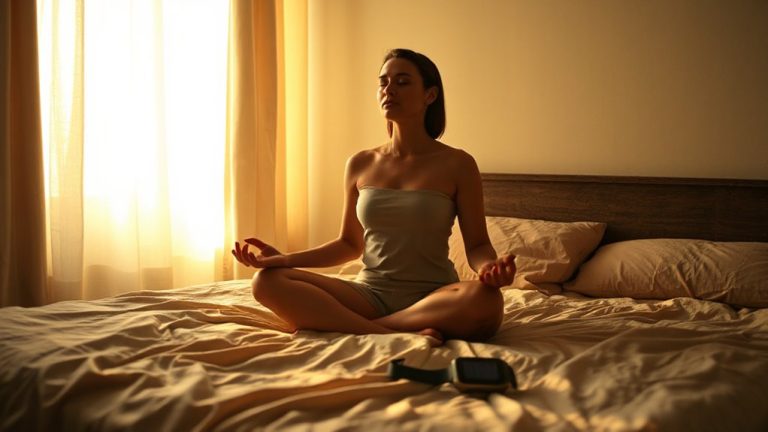
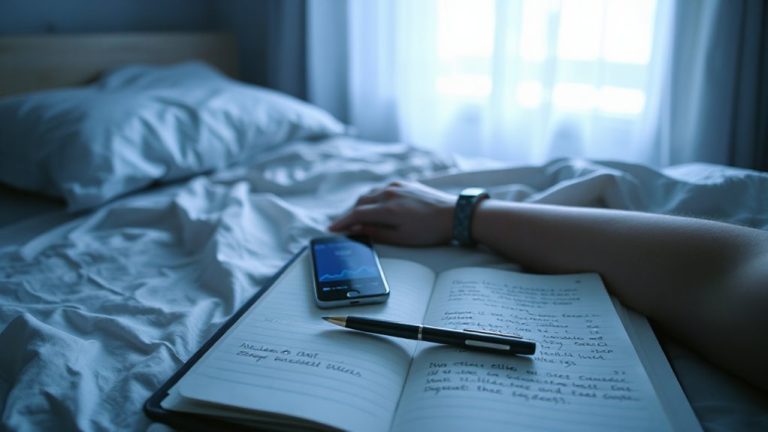
You’re likely already using a smartwatch or app that tracks your sleep patterns, and modern AI can spot early signs like breathing pauses or restless REM cycles. These tools analyze your heart rate, movement, and even voice changes to flag possible sleep apnea or insomnia before symptoms get worse. While they’re not a diagnosis, they help you decide when to see a specialist. Data from night-to-night gives you a clearer picture-and knowing more means better choices for your health.
Notable Insights
- AI analyzes sleep patterns like breathing and brain activity to detect early signs of disorders such as apnea and insomnia.
- Smartwatches use AI and sensors to monitor heart rate and breathing, identifying potential sleep apnea episodes during the night.
- Voice analysis tools leverage AI to detect vocal tremors and pitch changes linked to fatigue and poor sleep quality.
- Early detection through AI enables timely interventions, improving outcomes by addressing issues before they worsen.
- AI-generated sleep insights should prompt professional evaluation, not replace clinical diagnosis or medical testing.
Why Early Detection of Sleep Disorders Matters
While you might not always notice the signs right away, catching sleep disorders early can make a real difference in how well you feel and function over time. Poor sleep quality doesn’t just leave you tired-it can slowly affect your mental health, making anxiety or depression more likely. When you address issues early, you’re more likely to restore restful sleep and reduce long-term health risks. Better sleep quality supports focus, mood, and daily performance. You may not need intense treatments at first; simple changes in routine or environment often help. Some people benefit from sleep aids, but it’s wise to test options cautiously and check warranty or trial terms if buying devices. Early detection gives you time to compare solutions, whether behavioral, medical, or tech-based. Paying attention now helps you make informed choices, protects your mental health, and improves long-term well-being. Top-rated devices can track key indicators like heart rate and movement patterns with best sleep quality monitors.
How AI Spots Sleep Apnea and Insomnia Early
Since sleep disorders like apnea and insomnia often develop gradually, AI-powered tools can catch subtle changes in your breathing, movement, and sleep cycles before symptoms become severe. By analyzing your breathing patterns and brain activity during sleep, AI detects irregularities-like paused breaths or disrupted REM cycles-that hint at early-stage issues. These systems learn your normal rhythms, so even slight deviations over time are flagged. Unlike occasional sleeplessness, persistent changes in how you breathe or how your brain behaves at night can signal something more serious. Early detection means earlier, more effective interventions.
| Emotion | Sign You’re Not Alone | Hope for Better Sleep |
|---|---|---|
| Worry | Millions track sleep like you | AI sees what you can’t |
| Fear | It’s not just “bad nights” | Patterns become clear |
| Doubt | Data doesn’t lie | You gain control |
| Tiredness | You’re not imagining it | Small changes help early |
Can Your Smartwatch Detect Sleep Apnea?
Could your smartwatch really catch signs of sleep apnea? Yes, some can, using advanced sleep tracking to monitor breathing patterns, heart rate, and movement. These devices rely on sensors and AI to detect irregularities that may suggest apnea, like frequent pauses in breathing or oxygen dips. While not a replacement for clinical diagnosis, newer models offer surprisingly solid wearable accuracy, especially when validated against medical tests. However, performance varies-some watches detect symptoms better than others, depending on fit, sensor quality, and software updates. For the best results, wear the device snugly and charge it nightly to guarantee uninterrupted tracking. Many top brands offer trial periods, so you can test sleep tracking features risk-free. If your watch flags possible apnea signs, follow up with a sleep specialist. Early insight helps, but professional evaluation remains essential. Top Exercise & Sleep Trackers – Ultimate Buying Guide provides insights into which best exercise and sleep trackers deliver the most reliable sleep health metrics.
Can Your Voice Reveal Sleep Problems?
Your smartwatch might track your breathing at night, but your voice could also hold clues to sleep issues. Changes in how you speak-like a shaky tone or unusual pitch variation-may signal poor sleep quality or disorders such as sleep apnea. AI tools can detect subtle signs, including vocal tremor, even when you’re unaware. These shifts often happen because fatigue weakens muscles involved in speech. By analyzing voice samples over time, smart apps identify patterns linked to disrupted rest. The tech doesn’t replace sleep studies, but it helps flag concerns early. Accuracy improves with consistent use, and many apps offer free trials with secure data handling. Some include warranties or satisfaction guarantees. It’s a low-effort way to monitor your sleep health-especially if you already use voice assistants daily.
What to Do If Your AI Sleep Tracker Flags an Issue
What happens when your AI sleep tracker shows something off? Don’t panic-first, review device accuracy to rule out glitches or improper wear. These tools are helpful, but not flawless. If patterns like irregular breathing, low movement, or poor sleep efficiency persist, it’s time to Seek professional evaluation. A doctor can compare your tracker’s data with clinical tests and confirm if a sleep disorder is present.
| Step | Action |
|---|---|
| 1 | Review device accuracy and recheck setup |
| 2 | Track symptoms over 3–5 nights for consistency |
| 3 | Seek professional evaluation if issues remain |
Use the data as a starting point, not a diagnosis. Many trackers offer trial periods or warranties-test reliability over time. Share logs with your healthcare provider to support informed decisions about sleep aids or therapy. Choosing the right device matters, as some models offer more accurate sleep stage tracking than others.
On a final note
You can use AI sleep trackers to spot early signs of disorders like apnea or insomnia, but they’re not a full diagnosis. Check your device’s accuracy, look for FDA-cleared features, and review data trends over time. If alerts continue, consult a sleep specialist. Some tools offer free trials or come with a warranty, so test them carefully. Good sleep aids help, but professional evaluation guarantees safe, informed choices.