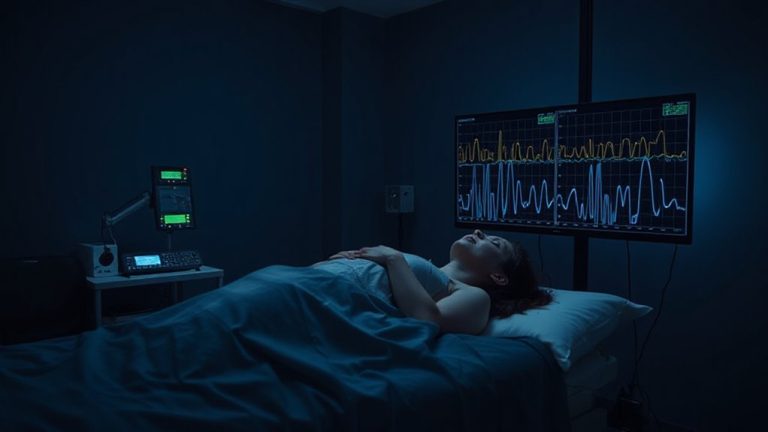
Why Shift Work Sleep Disorder Can Worsen Without Intervention
Your body’s natural rhythm fights night shifts, making sleep harder over time without changes. Light at night tricks your brain into staying alert, while daytime noise and light shorten and fragment rest. This worsens sleepiness and lowers performance. Without steady sleep schedules or support like blackout curtains and timed melatonin, symptoms deepen. Hormonal and cognitive issues grow more likely, raising long-term health risks-what you do now shapes how things improve.
Notable Insights
- Circadian misalignment worsens over time, making sleep-wake cycles increasingly erratic without treatment.
- Persistent night shift exposure suppresses melatonin, reducing sleep quality and duration progressively.
- Chronic sleep loss impairs cognitive function and mood regulation, exacerbating brain fog and emotional instability.
- Inconsistent sleep schedules deepen circadian disruption, weakening the body’s ability to adapt.
- Long-term circadian misalignment raises risks for metabolic disorders, cardiovascular disease, and weakened immunity.
What Is Shift Work Sleep Disorder?
While your body naturally follows a sleep-wake cycle tied to daylight, working night shifts or rotating schedules can throw that rhythm off, leading to Shift Work Sleep Disorder (SWSD). You might notice your sleep patterns becoming irregular, with trouble falling or staying asleep when you need to. That’s due to circadian disruption-your body’s internal clock is misaligned with your work hours. Symptoms often include excessive sleepiness during shifts and reduced total sleep time. SWSD isn’t just fatigue; it’s a recognized condition affecting alertness, performance, and long-term health. It develops over time, especially with frequent night work or irregular rotations. Managing it starts with evaluating your current sleep habits and work demands. Some find relief through strategic light exposure, consistent sleep schedules, or short-term use of sleep aids, though always consult a provider before starting any treatment. Early recognition helps guide better decisions about work, rest, and care.
Why Your Body Resists Sleep on Night Shifts
Why does your body fight so hard to stay awake when you’re trying to sleep after a night shift? It’s because your internal clock is set for daytime alertness and nighttime rest, making sleep difficult when you’re working against it. This mismatch-called circadian misalignment-confuses your brain’s sleep-wake signals. As a result, melatonin doesn’t rise when you need it, and cortisol can stay elevated, creating a hormonal imbalance that promotes wakefulness. Light exposure during night shifts worsens this shift, tricking your body into thinking it’s daytime. Even in darkness, your biology resists sleep because it expects activity then. This isn’t laziness-it’s physiology. Recognizing circadian misalignment helps explain why regular sleep schedules, blackout curtains, or melatonin supplements might help some. Still, results vary, so trying strategies with realistic expectations-and discussing options with a healthcare provider-can guide better sleep decisions.
How Chronic Sleep Loss Harms Your Brain and Body
Sleep debt isn’t just exhaustion-it’s a buildup of physical and mental strain that weakens both brain and body over time. Chronic sleep loss triggers brain fog, making focus and quick decisions harder, while also causing hormonal imbalance that affects metabolism, mood, and immune response. Your body struggles to repair cells or regulate stress hormones like cortisol without consistent, restorative sleep.
| System Affected | Common Impact | Potential Long-Term Risk |
|---|---|---|
| Cognitive | Brain fog, slower reflexes | Reduced learning capacity |
| Endocrine | Hormonal imbalance, insulin resistance | Higher diabetes risk |
| Immune | Weakened defenses | Frequent illness |
Over time, these changes reduce performance and increase health risks. Addressing sleep deficits early-with consistent schedules or medically reviewed sleep aids-can help restore balance and support long-term well-being.
Mood Swings and Memory Problems From Shift Work Disorder
Night after night of disrupted rhythms can take a quiet toll on your mind, nudging mood swings and memory lapses into daily life. You might snap at coworkers over small things or forget tasks you once handled easily. This emotional instability isn’t just stress-it’s tied to how shift work throws off your brain’s chemistry. Over time, poor sleep quality contributes to cognitive decline, making focus and decision-making harder. Your ability to retain information and stay calm under pressure weakened. These aren’t permanent changes, but without intervention, they tend to worsen. Simple fixes like consistent sleep schedules-even on days off-can help. Consider trying light therapy or melatonin under a doctor’s guidance. Sleep aids may offer short-term relief, but long-term solutions depend on routine and environment adjustments. Monitoring symptoms early improves outcomes.
Heart Disease and Diabetes: Long-Term SWSD Risks
While your body’s internal clock stays tuned to daylight hours, working night shifts forces it to adapt in ways that can quietly raise your long-term health risks. Chronic circadian misalignment disrupts hormone regulation and metabolism, increasing your chances of heart disease and type 2 diabetes. Insulin resistance often develops when your eating and sleeping patterns conflict with natural rhythms. These changes happen gradually, making them easy to overlook-until symptoms arise.
| Risk Factor | Impact from SWSD |
|---|---|
| Circadian Misalignment | Raises blood pressure and inflammation |
| Insulin Resistance | Reduces glucose control |
| Sleep Fragmentation | Strains cardiovascular function |
| Nighttime Eating | Disrupts metabolic cycling |
Recognizing these risks early helps you take preventive steps, like prioritizing consistent rest periods and discussing sleep aids with a healthcare provider. Small adjustments now support better outcomes later.
How Inconsistent Sleep Habits Worsen Shift Work Disorder
Your body struggles to keep up when sleep times shift unpredictably, and that inconsistency加重 the core problem of shift work sleep disorder-circadian misalignment. When you sleep at different times each day, your internal clock gets thrown off more, deepening circadian disruption. This confusion reduces sleep quality, leaving you unrested even after several hours in bed. Over time, poor sleep patterns make symptoms like daytime sleepiness and trouble focusing worse. Your performance at work and daily functioning can suffer without steady rest. Maintaining a consistent sleep schedule-even on days off-helps stabilize your rhythm. Consider using blackout curtains, white noise machines, or melatonin supplements (consult your doctor) to support regular sleep. Many find value in trying sleep aids with adjustable features and trial periods. Planning sleep like a necessary daily task improves long-term outcomes. A best sound machine can significantly enhance sleep quality by providing consistent auditory cues that reinforce your desired sleep environment.
How Daytime Light and Rotating Shifts Block Better Rest
Why does it feel so hard to sleep after a night shift when daylight is streaming through the windows? That light exposure tricks your brain into thinking it’s time to be awake, worsening circadian disruption. Even if you’re exhausted, sunlight blocks melatonin release, making rest feel impossible. Rotating shifts amplify this-you never settle into a steady rhythm, so your body stays confused. To improve rest, control light exposure: use blackout curtains and wear sunglasses on your morning commute. Consistency matters, even on days off. Using a best sleep lamp can further support your body’s natural sleep-wake cycle by mimicking calming twilight conditions.
| Shift Type | Light Exposure Risk | Rest Disruption Level |
|---|---|---|
| Night | High | Severe |
| Rotating | Variable | Moderate to Severe |
| Early Day | Low | Mild |
Small adjustments can help your body adapt and support better sleep quality over time.
On a final note
Your body’s clock doesn’t adjust easily to night shifts, and without changes, SWSD worsens over time. Poor sleep adds up, raising risks to mood, memory, heart health, and metabolism. Sticking to a consistent sleep schedule-even on days off-helps. Blocking blue light during morning commutes, using blackout curtains, and trying short naps or melatonin (with a doctor’s advice) may improve rest. Consider sleep aids carefully; some offer temporary relief but work best with long-term habit changes.