Insomnia and Depression: The Bidirectional Relationship Explained
You’re stuck in a loop where insomnia feeds depression and depression disrupts your sleep, each making the other worse. Poor sleep wears down your mood and focus, while depressive thoughts keep you awake at night. Your brain’s chemistry-like serotonin and melatonin-gets thrown off, deepening both issues. Treatments like CBT-I, better sleep habits, and consistent routines can break the cycle. There’s more to uncover about how small changes add up.
Notable Insights
- Insomnia and depression fuel each other in a continuous cycle, worsening symptoms of both conditions over time.
- Poor sleep increases emotional fatigue and stress, raising the risk of developing or worsening depressive symptoms.
- Depression often causes racing thoughts and rumination, making it harder to fall and stay asleep.
- Shared neurobiological mechanisms, like imbalances in serotonin and circadian rhythm disruption, link insomnia and depression.
- Combined treatments like CBT-I and improved sleep hygiene can effectively break the cycle and improve both sleep and mood.
How Insomnia and Depression Fuel Each Other
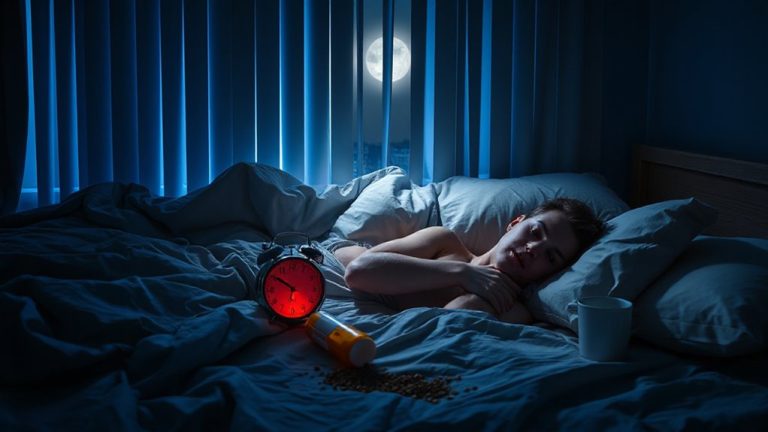
While it might not seem obvious at first, insomnia and depression often worsen each other in a cycle that’s hard to break. You may notice that when sleep slips away, emotional fatigue sets in, making daily stresses feel heavier. That tiredness can deepen depressive symptoms, which in turn makes falling or staying asleep even harder. At the same time, cognitive distortion-like thinking you’ll never sleep again-can keep your mind racing at night. These distorted thoughts aren’t just side effects; they actively interfere with sleep onset and quality. Poor sleep undermines mood regulation, while low mood disrupts sleep patterns. Over time, this loop becomes self-sustaining. Recognizing this link helps you make informed choices about treatment, whether it’s improving sleep hygiene, trying CBT-I, or discussing options with a provider. Small, consistent steps can gently shift the balance. Certain sleep support supplements may also help improve sleep quality when used as part of a broader treatment plan.
How Insomnia Raises Depression Risk
Because poor sleep affects your brain’s ability to regulate emotions, not getting enough rest can make you more vulnerable to depression over time. Sleep deprivation impairs mood, focus, and stress resilience, making daily challenges feel harder to manage. When you regularly cut sleep short, even small setbacks can seem overwhelming, increasing emotional sensitivity. Circadian disruption-when your body’s internal clock falls out of sync-can further destabilize mood-regulating chemicals like serotonin and melatonin. This misalignment often occurs with irregular sleep schedules, nighttime screen use, or shift work. Over time, these disruptions may increase your risk of developing depressive symptoms. You don’t need perfect sleep, but consistent, quality rest helps maintain emotional balance. If insomnia persists, consider tracking sleep patterns and discussing options with a healthcare provider. Some find relief through cognitive behavioral therapy for insomnia (CBT-I), while others explore sleep aids after weighing benefits, side effects, and long-term safety. For enhanced rest, consider optimizing your sleep environment with a proven Best Sleep Support Systems setup.
Why Depression Ruins Sleep
Even when you’re exhausted, depression can keep your mind racing at night, making it hard to fall or stay asleep. Emotional overwhelm often floods your thoughts, leaving little room for calm. You might lie awake, stuck in cycles of negative rumination-replaying past regrets or worrying about the future. This mental loop tricks your brain into staying alert, even when your body needs rest. Sleep becomes fragile, easily disrupted by brief awakenings that turn into long stretches of staring at the ceiling. Over time, poor sleep worsens mood, deepening depressive symptoms. Practical support-like consistent bedtimes, reducing screen use, or discussing sleep aids with a provider-can help. Some find relief with cognitive strategies that reduce rumination. Others benefit from short-term use of sleep aids under medical guidance. Trial periods and clear expectations improve success. Warranties or follow-up visits offer reassurance when testing new routines. Effective insomnia remedies can play a crucial role in breaking the cycle between sleep disruption and depressive episodes.
Brain Chemistry: What Links Insomnia and Depression?
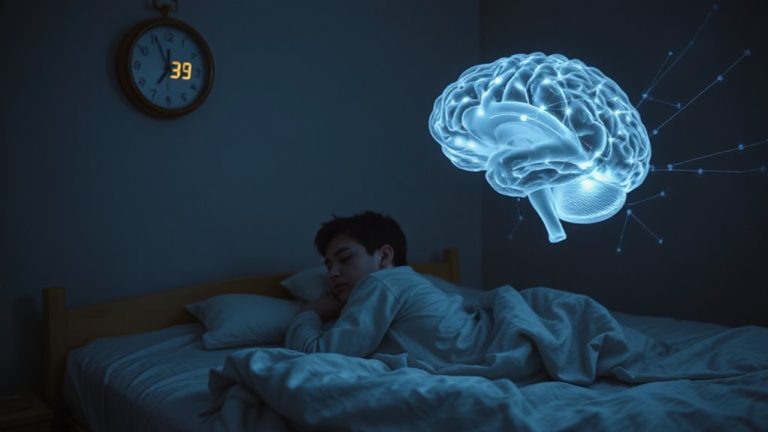
Depression doesn’t just affect your mood-it also shifts the balance of key chemicals in your brain that influence both sleep and emotional well-being. You’re likely experiencing a neurotransmitter imbalance, where levels of serotonin, dopamine, and norepinephrine drop, disrupting mood regulation and sleep cycles. This chemical shift can worsen insomnia or make it harder to stay asleep. At the same time, circadian disruption throws your internal clock off, confusing your body’s signal for when to sleep or wake. These changes feed into each other, creating a cycle where poor sleep deepens depressive symptoms and vice versa. Over time, your brain’s ability to regulate rest and emotion weakens. Recognizing these biological factors helps clarify why sleep aids or therapy might be necessary. Understanding the role of brain chemistry gives you a clearer path to evaluating treatment options with your provider.
Breaking the Cycle: Treatments That Work
While brain chemistry plays a key role in linking insomnia and depression, the good news is that several evidence-based treatments can help break the cycle. Cognitive therapy helps you reframe negative thoughts that keep you awake or deepen sadness, while improving sleep hygiene-like keeping a consistent bedtime and limiting screen time-supports better rest. You don’t have to choose between treating one condition or the other; these approaches often improve both.
| Treatment Type | How It Works | What to Expect |
|---|---|---|
| Cognitive therapy | Targets negative thought patterns | Weekly sessions, gradual relief |
| Sleep hygiene | Builds better bedtime routines | Noticeable changes in 2–4 weeks |
| Combined approach | Uses both methods together | Higher success rate, long-term gains |
| Prescription aid | Short-term sleep support | Use under supervision, time-limited |
Lifestyle Fixes for Insomnia and Depression
You’ve already seen how structured treatments like cognitive therapy and improved sleep habits can make a real difference in managing both insomnia and depression. Now, small shifts in daily life can help too. Regular exercise routines-like brisk walking or light cycling-can improve sleep quality and lift mood over time. Aim for 30 minutes most days, but avoid intense workouts close to bedtime. Your dietary habits also play a role. Limit caffeine and heavy meals in the evening, since they may disrupt sleep. Eating more whole grains, lean proteins, and vegetables supports stable energy and mood. Keep mealtimes consistent to help regulate your body’s clock. These changes aren’t instant fixes, but sticking with them can strengthen your response to other treatments. You don’t need perfection-just steady, manageable steps that support both sleep and emotional balance.
When to See a Doctor for Sleep or Mood Issues
How long should you wait before reaching out for help if sleep troubles or low mood just won’t lift? If poor sleep or sadness lasts more than two weeks and affects daily life, it’s time to consult a professional. Even with good sleep hygiene, some issues won’t resolve on their own. You might find yourself struggling to fall asleep, waking often, or feeling low without clear cause. These could signal a sleep disorder or mental health concern like depression. A doctor can assess symptoms, review lifestyle factors, and determine if treatment-like cognitive behavioral therapy or short-term use of sleep aids-is appropriate. Don’t wait until things worsen. Early support can improve outcomes. Addressing sleep and mood together often leads to better results since they’re closely linked. Your mental health matters, and help is available-you don’t have to manage it alone.
On a final note
You can break the cycle of insomnia and depression by addressing both. Treatments like CBT-I improve sleep without medication, while antidepressants may help mood and rest. Lifestyle changes-consistent sleep schedules, reduced screen time, and limiting caffeine-support long-term improvement. Over-the-counter sleep aids offer short-term relief but aren’t meant for daily use. If symptoms persist, seeing a doctor guarantees proper diagnosis and safe, effective care tailored to your needs.