Non-Invasive Treatments for Central Sleep Apnea: An In-Depth Look
You can manage central sleep apnea with adaptive breathing devices that adjust pressure in real time, helping you breathe steadily through the night. These machines use smart algorithms, quiet motors, and comfortable masks to reduce leaks and improve compliance. Oxygen therapy may help if your oxygen levels drop, while lifestyle changes like avoiding alcohol and adjusting your sleep position can also make a difference. Combining treatments often works better, and most devices offer trial periods and warranties. You’ll find more helpful details ahead.
Notable Insights
- Adaptive breathing devices use real-time pressure adjustments to stabilize irregular breathing patterns in central sleep apnea.
- Oxygen therapy delivers concentrated oxygen via nasal cannula, especially when blood oxygen levels remain low despite other treatments.
- Lifestyle changes like avoiding alcohol, managing weight, and elevating the head during sleep can reduce sleep apnea symptoms.
- Combining adaptive servo-ventilation with phrenic nerve stimulation or medications may enhance breathing stability in select patients.
- Gradual acclimation to devices, proper mask fitting, and ramp pressure settings improve comfort and adherence to non-invasive therapy.
Adaptive Breathing Devices for Central Sleep Apnea
How do you find a breathing device that adapts to your changing needs through the night? You look for adaptive breathing devices designed specifically for central sleep apnea. These machines offer dynamic pressure support, adjusting in real time to your breathing patterns. They use advanced algorithms to guarantee breathing synchronization, matching your natural rhythm even when it fluctuates. Unlike fixed-pressure systems, they sense pauses or irregularities and respond gently, helping maintain steady airflow. Most models are lightweight, with quiet motors and comfortable masks that reduce leaks. Data tracking lets you and your doctor review performance nightly. Many brands offer trial periods and warranties, so you can test effectiveness without risk. While they don’t replace oxygen therapy, they improve stability and sleep quality. Choosing one depends on your breathing variability, comfort preferences, and medical guidance.
Oxygen Therapy for CSA: What Options Work?
While adaptive breathing devices help stabilize irregular breathing patterns in central sleep apnea, some people also need extra oxygen to maintain healthy blood levels, especially during sleep. You might benefit from oxygen therapy if your levels drop despite using a breathing device. Oxygen concentrators are commonly prescribed-they pull in air, filter out nitrogen, and deliver concentrated oxygen through a nasal cannula. They’re reliable, quiet, and often come with portable models for travel, typically offering 3–5-year warranties. Some systems include built-in alarms and adjustable flow rates, letting your doctor fine-tune delivery. Though not standard for CSA, hyperbaric therapy is being studied for severe cases, involving pressurized oxygen in a chamber. It’s not widely available and usually requires clinical oversight. You should discuss oxygen needs with your sleep specialist, who may order an overnight oximetry test or polysomnogram to assess whether supplemental oxygen improves your saturation.
Proven Lifestyle Changes for Central Sleep Apnea
Small changes to your daily routine can make a real difference in managing central sleep apnea. You don’t need a drastic overhaul-start with weight management, since excess weight can affect breathing control during sleep. Even modest weight loss may reduce symptoms for some people. Pair that with dietary adjustments, like limiting alcohol and heavy meals before bed, which can interfere with respiratory stability. Avoid sedatives and caffeine close to bedtime, as they disrupt sleep patterns and breathing signals. Regular physical activity supports better sleep quality, but avoid intense workouts right before sleeping. Elevating your head slightly while sleeping might help some individuals breathe more steadily. These steps complement medical treatments without replacing them. While they won’t cure central sleep apnea, they can improve comfort and overall therapy outcomes over time with consistent effort.
Combining Treatments for Better CSA Control
You’ve already taken steps to improve your sleep through lifestyle adjustments, and now building on that progress means looking at how different treatments can work together. Combining therapies often offers better control of central sleep apnea (CSA). For instance, some people use adaptive servo-ventilation (ASV) alongside drug therapy to stabilize breathing patterns more effectively. Others may benefit from phrenic nerve stimulation, which sends mild impulses to the diaphragm to maintain regular breathing during sleep. While phrenic nerve stimulation is less common and typically reserved for select cases, it can be paired with other treatments under medical supervision. Drug therapy, such as acetazolamide, may help in specific situations but works best when coordinated with device-based therapies. Always consult your doctor before combining treatments, as effectiveness and safety depend on your unique condition and proper medical guidance.
How to Adjust to Non-Invasive CSA Therapy
How do you begin making non-invasive CSA therapy a seamless part of your nightly routine? Start by focusing on device comfort-adjust the mask for a snug yet gentle fit, and try different cushion types if needed. Getting used to the airflow takes time, so wear the device while awake to build tolerance. Use sleep tracking to monitor how well you’re adapting; many devices log data on usage, leaks, and breathing patterns. Reviewing these trends helps you and your provider make informed tweaks. Consistency matters-use the therapy every night, even if it feels odd at first. Most machines offer ramp settings that gradually increase pressure, easing you into sleep. Check warranty terms and trial periods so you can test options risk-free. With patience and tracking, therapy becomes routine.
Central Sleep Apnea Explained: What You Need to Know
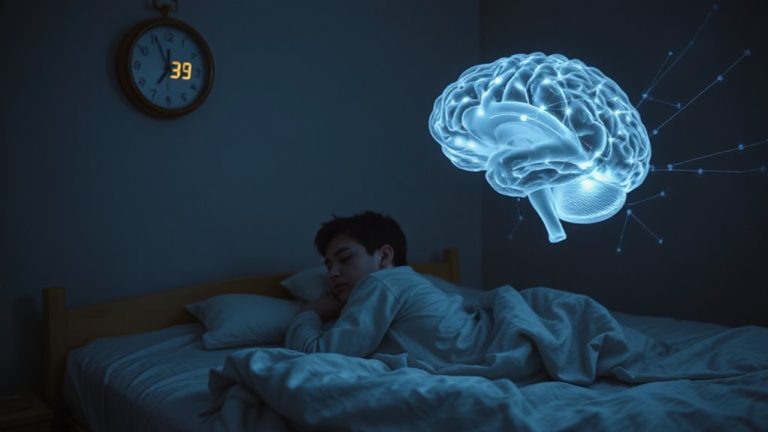
What exactly causes your breathing to pause during sleep if you have central sleep apnea? It’s not a blockage-your airway stays open. Instead, your brain temporarily fails to send signals telling your body to breathe. This comes down to faulty neural mechanisms and disrupted brain signaling, especially in the areas that regulate respiration. Unlike obstructive sleep apnea, CSA stems from a communication issue between your brain and breathing muscles. You might stop breathing for 10 seconds or more, then resume without snorting. These pauses can happen dozens of times a night. Conditions like heart failure or stroke can make you more prone to it. Recognizing the role of brain signaling helps explain why treatments focus on supporting respiratory rhythm. Understanding the cause is key when choosing therapies that align with your needs, health history, and comfort with medical devices.
On a final note
You’ve seen how adaptive devices, oxygen therapy, and lifestyle changes can help manage central sleep apnea. Each option varies in setup, comfort, and daily use-some work better when combined. Most machines come with trial periods and warranties, letting you test what fits your sleep. Talk with your doctor, consider your habits, and weigh how each treatment performs over time. Small, informed steps lead to better rest.