How Home Oximetry Screens for Nocturnal Hypoxemia in Sleep Disorders
You can check for nocturnal hypoxemia at home using a small oximeter on your fingertip, which tracks oxygen levels and heart rate all night. It’s quiet, comfortable, and helps spot breathing drops linked to sleep apnea or COPD. While it won’t catch every sleep issue, it gives useful data when a full sleep study isn’t possible. Reliable, FDA-cleared models store results for your provider to review. If your levels show frequent dips, further evaluation may be needed-there’s more to learn about what happens next.
Notable Insights
- Home oximetry measures blood oxygen levels overnight using a fingertip sensor to detect drops linked to sleep-related breathing disorders.
- It identifies patterns of nocturnal hypoxemia, such as frequent or prolonged oxygen desaturations, which may indicate sleep apnea or COPD.
- The device records continuous oxygen saturation and heart rate, providing data for evaluating respiratory stability during sleep.
- Portable and non-invasive, home oximetry offers a convenient screening option when full sleep studies are not immediately accessible.
- Results help clinicians determine the need for further testing, specialist referral, or treatment adjustments in patients with suspected sleep-disordered breathing.
What Is Nocturnal Hypoxemia and Why Home Oximetry Matters?
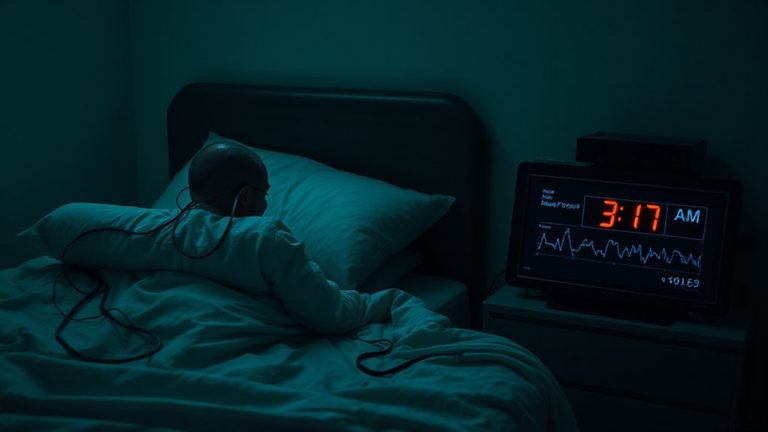
How well do you really sleep? If you wake up tired or short of breath, you might be experiencing nocturnal hypoxemia-low oxygen levels during sleep. This condition often goes unnoticed but can seriously affect your sleep quality and overall health. It’s common in sleep apnea, COPD, and other respiratory disorders. Without enough oxygen, your body struggles to restore itself overnight. Home oximetry helps catch these dips early, letting you and your doctor see trends in your oxygen levels while you sleep. Spotting low oxygen early means you can consider oxygen therapy if needed, which may improve how you feel during the day. These devices are easy to use, typically clip onto your finger, and record data overnight. Most come with a warranty and simple software for review. A trial can help determine if monitoring or treatment boosts your rest.
How Does a Home Oxygen Monitor Work at Night?
Why might your sleep feel restless even after a full night in bed? A home oxygen monitor could help reveal the answer by tracking your blood oxygen levels overnight. Worn on your fingertip, it uses light beams to measure oxygen saturation without discomfort. Most devices are lightweight and designed for device comfort, so movement during sleep won’t disrupt readings. They store data throughout the night, which your doctor later reviews for patterns of low oxygen.
| Feature | Benefit |
|---|---|
| Signal accuracy | Reduces false alarms from motion or poor fit |
| Battery life | Powers full-night use without charging |
| Memory storage | Holds multiple nights’ data for trend analysis |
You simply return the device after testing. No setup hassle. It’s a quiet, reliable way to gather key insights about your sleep health while you rest.
When Should You Use Home Oximetry for Sleep?
You’ve worn the monitor overnight, and now it’s time to evaluate when home oximetry makes the most sense for your situation. If you have symptoms like snoring, daytime fatigue, or witnessed breathing pauses, this test can help spot nocturnal hypoxemia linked to sleep apnea. Your doctor might suggest it when a full sleep study isn’t immediately available or necessary. Device accuracy matters-choose a medical-grade oximeter that logs oxygen levels and pulse reliably. Look for models with proven test reliability and FDA clearance. It’s not for everyone, especially if you have heart or lung disease that needs more detailed monitoring. Still, for initial screening, it’s a convenient, low-cost option. You can repeat the test at home to track changes over time, especially when adjusting sleep habits or using CPAP. Always share results with your provider to guide next steps.
What Happens During a Home Oxygen Test?
What can you expect once you start a home oxygen test? You’ll clip a small sensor onto your fingertip before bed-it’s lightweight and designed for device comfort, so it won’t keep you awake. The oximeter runs all night, quietly recording your blood oxygen levels and heart rate. Most devices store data automatically, which your provider later reviews for data accuracy. You don’t need to adjust anything during sleep; just wear it as instructed. Some units have memory cards or sync wirelessly, making uploads easy. The sensor uses light to measure oxygen saturation-non-invasive and painless. If you shift in your sleep, the device still maintains reliable contact. In the morning, you turn it off and return it as directed. Most kits include clear instructions and support for setup. A restful night’s sleep during testing helps guarantee accurate results.
What Do Low Oxygen Levels Mean at Night?
How concerning is it when your home oximetry shows low oxygen levels at night? It can be a sign that your oxygen saturation drops below healthy levels while you sleep. This often happens when breathing patterns are disrupted, such as during pauses in breathing or shallow breaths. While occasional dips may not be serious, frequent or prolonged low readings could point to underlying sleep-related breathing issues. Your body needs steady oxygen saturation to function well, especially during rest. Tracking these changes helps identify patterns that might affect your sleep quality and daytime energy. You’re in control-you can use this data to decide whether to consult a specialist or consider further testing. Understanding your breathing patterns and oxygen saturation over time gives you clearer insight into your sleep health and helps guide informed choices about next steps.
Can Home Oximetry Miss Sleep Apnea?
| Feature | Home Oximetry | Full Sleep Study |
|---|---|---|
| Tracks oxygen only | Yes | Yes |
| Monitors breathing effort | No | Yes |
| Detects apneas directly | Limited | Thorough |
Because of its simplicity, oximetry is a screening tool-not a complete diagnostic solution. If your symptoms continue, further testing is often needed.
What Happens After a Bad Home Oximetry Result?
If your home oximetry shows frequent oxygen drops or a high number of desaturation events, it doesn’t give the full picture-but it does signal that deeper evaluation is needed. Your doctor will likely recommend a full sleep study to confirm if there’s a real issue or if false alarms or device errors skewed the results. These errors can happen if the sensor slips, the battery dies, or you move too much. A lab-based sleep study or a more detailed home test checks breathing, heart rate, and brain activity, offering clearer answers. Don’t assume the worst-oximetry is just a screening tool. But if symptoms like snoring, fatigue, or gasping persist, follow-up is key. Many devices come with short trials or warranties, so you can test reliability. Prompt evaluation helps you decide on next steps, from lifestyle changes to therapies like CPAP-giving you control over your sleep health.
On a final note
You can use home oximetry to check for low oxygen at night, helping spot issues like nocturnal hypoxemia. It’s simple, non-invasive, and gives useful data between doctor visits. But remember, it doesn’t catch everything-like sleep apnea without oxygen drops. If results are concerning, follow up with your provider. Many devices offer trial periods and warranties, so test one confidently. This tool, paired with professional advice, helps you make informed choices about sleep health.