Addressing Hypersomnias and Narcolepsy in Children: A Guide for Educators and Parents
You’re not just seeing a tired child-narcolepsy stems from low hypocretin, disrupting sleep-wake cycles even after full nights of sleep. Watch for sudden sleep attacks, cataplexy, or hallucinations, especially if they’re frequent and emotionally triggered. These symptoms impact focus, mood, and school performance. Track sleep patterns and talk to a pediatric sleep specialist if signs persist. Early evaluation supports better management. There’s more to understand about creating effective support.
Notable Insights
- Narcolepsy in children involves sudden sleep attacks due to low hypocretin, not just tiredness.
- Cataplexy, hallucinations, and sleep paralysis are key symptoms alongside excessive daytime sleepiness.
- Symptoms often disrupt learning, focus, memory, and emotional well-being in school settings.
- Diagnosis requires tracking sleep patterns and consulting a pediatric sleep specialist for evaluation.
- Classroom accommodations like breaks, extended time, and lesson recordings support student success.
What Is Narcolepsy in Kids: and How Is It Different From Being Tired?
Narcolepsy in kids isn’t just extreme tiredness-it’s a neurological disorder where the brain struggles to control sleep-wake cycles. You might notice disrupted sleep patterns, even if your child gets enough hours at night. That’s because narcolepsy stems from changes in brain chemistry, particularly involving hypocretin, a chemical that regulates alertness. Without enough hypocretin, sleep stages don’t shift smoothly, leading to daytime sleepiness regardless of rest. Unlike typical fatigue, narcolepsy causes sudden sleep attacks, not just drowsiness. It’s not laziness or poor habits-it’s a medical condition requiring evaluation. Knowing this helps you decide when to seek testing or consider interventions. Understanding brain chemistry and sleep patterns gives you clearer insight into treatment options, like scheduled naps or prescribed therapies. Early recognition supports better management. You’re not choosing between watchful waiting and medication-you’re gathering facts to make informed choices about your child’s health and daily functioning.
How to Spot Narcolepsy Symptoms in Children
You may already know that narcolepsy isn’t just about being tired-it’s a condition where the brain has trouble managing sleep and wake states, often due to low levels of hypocretin. You might notice your child suddenly slumping or losing muscle control during laughter or excitement-these are cataplexy episodes, a key sign. They may also complain of being unable to move just after waking or falling asleep, known as sleep paralysis. Other clues include sudden sleep attacks during the day, vivid hallucinations when sleeping or waking, and extreme sleepiness despite long nighttime rest. These symptoms can appear gradually, so tracking their frequency and context helps. If you observe these patterns, a sleep study can offer answers. Early recognition supports timely evaluation and better outcomes-discuss concerns with a pediatric sleep specialist for proper diagnosis and care planning.
How Narcolepsy Affects School, Focus, and Mood
While your child is trying to keep up in class, narcolepsy can silently disrupt their ability to stay alert, focus on lessons, or retain information, even if they slept for hours the night before. This affects academic performance and emotional regulation, making school days exhausting and emotionally taxing.
| Challenge | Impact |
|---|---|
| Sudden sleepiness | Missed instruction |
| Poor focus | Lower test scores |
| Memory gaps | Incomplete assignments |
| Mood swings | Social strain |
| Low energy | Reduced participation |
You might notice frustration or withdrawal, not defiance. Their effort doesn’t lack, but fatigue interferes with consistency. Emotional regulation becomes harder when the brain is sleep-deprived. Academic performance often declines, not from intelligence, but from unreliable alertness. Recognizing these patterns helps you support better sleep strategies and classroom accommodations. Early awareness leads to practical steps that improve daily function and well-being.
When to Seek a Diagnosis for Childhood Narcolepsy
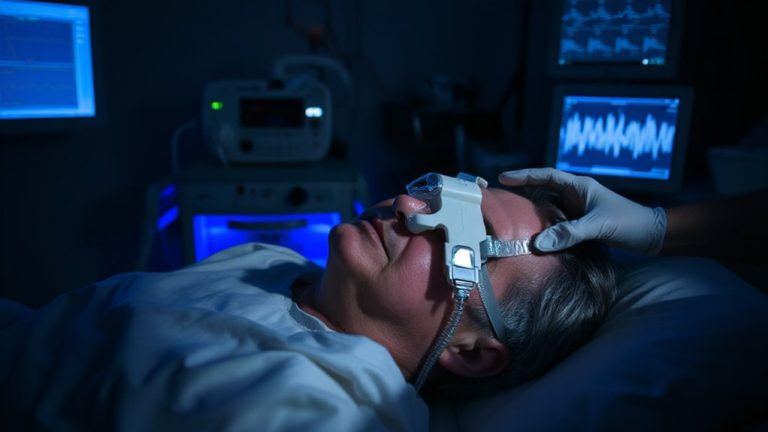
What should you do when your child keeps nodding off in class, no matter how early they go to bed? You should track their sleep patterns closely-note when they fall asleep, wake up, and if they nap during the day. If excessive sleepiness lasts more than a few weeks, or they show sudden muscle weakness, vivid hallucinations, or sleep paralysis, it’s time to act. These signs may point to narcolepsy and call for a medical evaluation. A pediatric sleep specialist can assess symptoms, review overnight sleep studies, and confirm a diagnosis. Don’t wait, as early detection helps manage challenges faster. Watching for consistent patterns and sharing them with a doctor improves accuracy. A prompt evaluation doesn’t mean immediate treatment, but it gives you clearer options. Knowing the cause helps guide school plans and home strategies, supporting your child’s daily life.
Supporting Students With Narcolepsy in Class
Since sleep interruptions and sudden drowsiness can disrupt learning, helping a child with narcolepsy succeed in class means creating a supportive, flexible environment. You can implement classroom accommodations like allowing seated breaks, providing extra time for assignments, or letting the student record lessons. These adjustments help maintain engagement without drawing attention. You should also promote peer education to build understanding and reduce stigma-simple discussions about narcolepsy help classmates respond with empathy instead of confusion. Keeping a consistent schedule and allowing strategic movement during the day can improve focus. Communication with healthcare providers guarantees strategies align with the child’s treatment plan. Avoid punitive responses to drowsiness; instead, use low-key cues to help them re-engage. With thoughtful planning, students can stay on track academically while managing symptoms effectively.
How Parents and Teachers Can Build a School Support Plan
If you’re looking to create a school support plan for a child with narcolepsy, the best place to start is by bringing parents, teachers, and healthcare providers together to outline clear, workable strategies. Open communication guarantees everyone understands the child’s needs, especially when implementing accommodation strategies and peer education.
| Strategy | Purpose | Example |
|---|---|---|
| Scheduled breaks | Reduce fatigue | 10-minute rest every 90 minutes |
| Flexible deadlines | Manage sleep fluctuations | Extra time for assignments |
| Seating adjustments | Improve alertness | Near teacher, away from distractions |
| Nap opportunities | Support daytime regulation | 20-minute supervised rest |
| Peer education | Build understanding | Classroom discussion on narcolepsy |
These steps help maintain consistency, minimize stigma, and promote inclusion. Always review the plan regularly and adjust based on feedback from the student and team. Small changes can make a meaningful difference in daily functioning and long-term success.
On a final note
You now have tools to recognize narcolepsy’s signs and support children effectively. Watch for consistent sleep issues affecting school or mood, then seek evaluation from a sleep specialist. Early diagnosis leads to better management through lifestyle adjustments, medication, if needed, and classroom accommodations. Work with teachers to create a support plan that includes flexible scheduling and rest breaks. Always prioritize medical guidance over over-the-counter aids, and consider long-term needs when choosing treatment options.