How Light Therapy Can Help Regulate Irregular Sleep Patterns in Adolescents
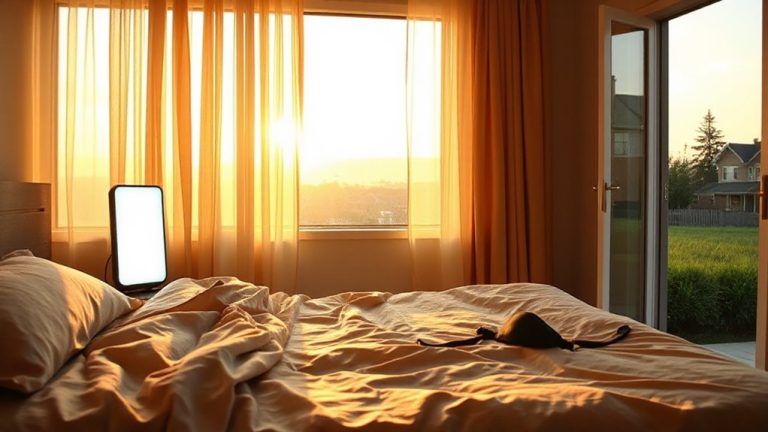
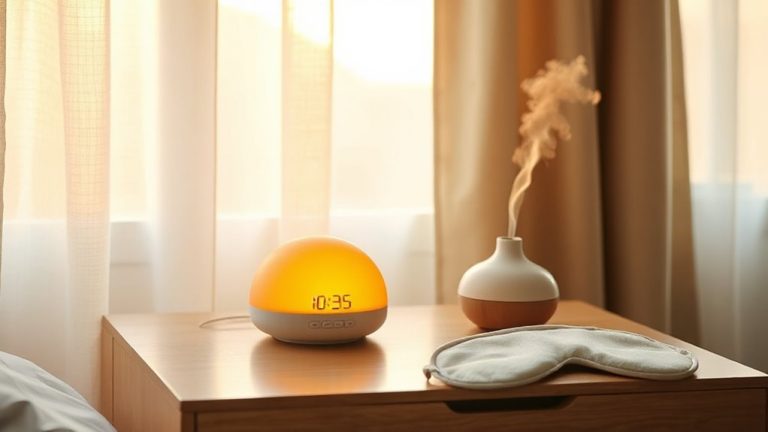
Your teen’s sleep pattern shifts naturally, but light therapy can help reset it. Using a 10,000 lux light box for 20–30 minutes each morning suppresses melatonin, boosts alertness, and gradually moves their internal clock earlier. Position the light 16–24 inches away, angled slightly down, and avoid UV-emitting models. Consistent use at the same time daily improves results within one to two weeks. You’ll find more details on choosing and using the right device.
Notable Insights
- Adolescents naturally produce melatonin later, delaying sleep, but morning light therapy can reset their internal clock.
- Exposure to 10,000 lux light shortly after waking suppresses melatonin and promotes daytime alertness.
- Using a bright, blue-enriched light box for 20–30 minutes daily helps teens fall asleep earlier over time.
- Proper placement of the lightbox at eye level and a 30–60 degree angle ensures effective exposure.
- Consistent morning use for 1–2 weeks typically improves sleep timing without daytime drowsiness or delays.
Why Many Teens Can’t Fall Asleep (And How Light Helps)
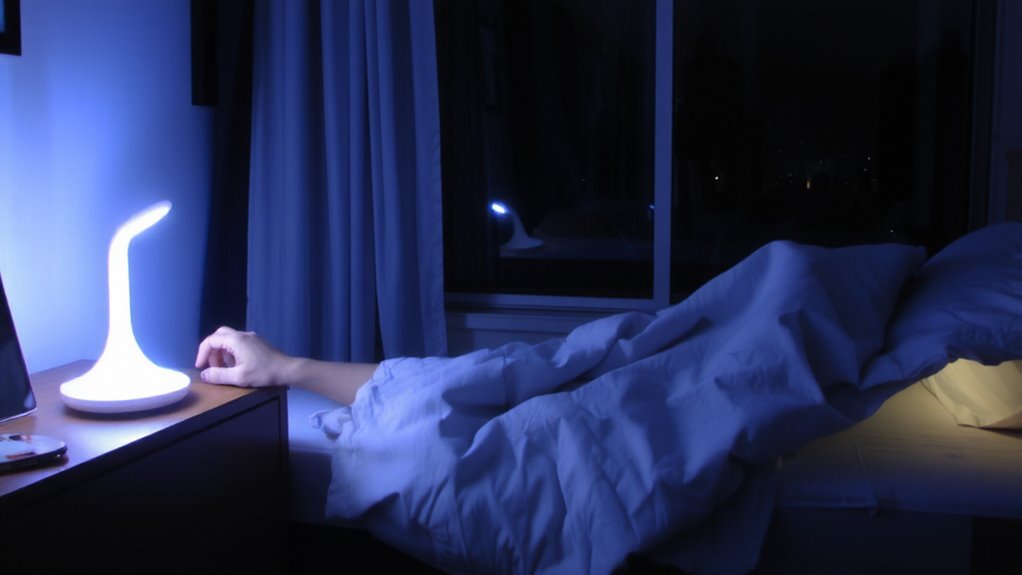
While your body’s natural rhythm shifts during adolescence, making it harder to fall asleep early, exposure to the right kind of light at the right time can help reset your internal clock. This shift affects your circadian rhythm, delaying melatonin production by one to three hours past adult norms. As a result, you feel alert later at night, even if you’re tired. Dim lighting in the evening and bright, blue-enriched light in the morning support healthier timing. Devices with adjustable color temperature and intensity let you tailor light exposure based on daily routines. Some include timers and sunrise simulations, improving consistency. Though not medical devices, they’re backed by sleep research. Look for models with at least 2,500 lux output and a proven track record. A 30-day trial or warranty offers reassurance. Over time, proper use may reduce reliance on sleep aids and improve sleep quality. Top-rated options provide consistent, therapeutic brightness and are designed with user-friendly features for daily adherence. Top Light Therapy Lamps meet these criteria and are ideal for teens needing support with sleep regulation.
How Light Therapy Resets Your Teen’s Body Clock
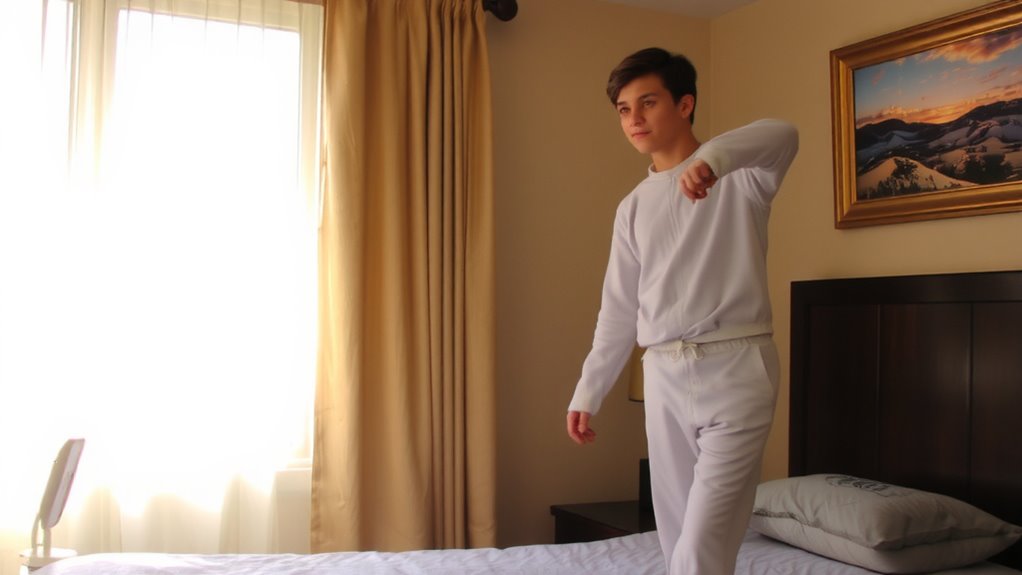
Light therapy works by tapping into your teen’s natural circadian rhythm, helping shift their internal clock to a more balanced schedule. Morning exposure to bright light suppresses melatonin production, signaling the body that it’s time to wake up. This helps teens feel alert earlier and sleepier at night. Over time, consistent use can recalibrate their circadian rhythm, especially if they’re naturally late-night types. You’ll see best results when sessions happen within an hour of waking, lasting 20 to 30 minutes. Use a light box that emits 10,000 lux, filtering out harmful UV rays. Many models are compact, portable, and designed for daily routines. Most come with a warranty and offer trial periods, so testing one at home is low-risk. While not a cure-all, it’s a practical, non-drug option backed by sleep research to support healthier sleep patterns.
Best Light Boxes for Teen Sleep Problems
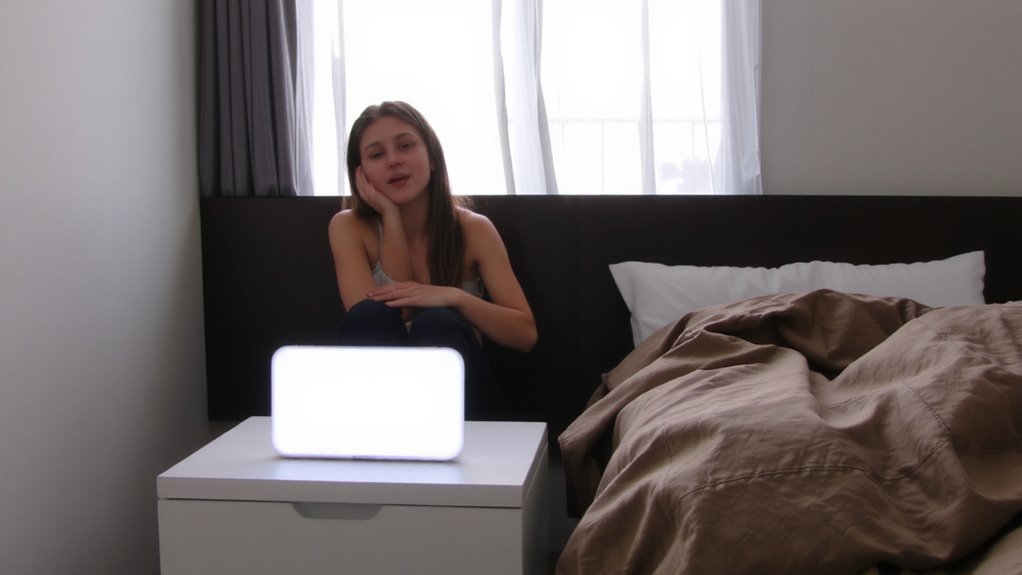
Since not all light boxes work the same, picking one that fits your teen’s routine and sleep goals matters most. Look for a device with at least 10,000 lux of light intensity, as this level has been shown effective in clinical studies for circadian regulation. A larger light surface can help maintain consistent exposure, even if your teen moves around slightly. For device placement, position the box about 16 to 24 inches from the face, angled slightly downward, so light reaches the eyes indirectly. Make sure it emits minimal UV rays and has a clean, white light. Choose models with sturdy build quality and a stand or adjustable tilt. Many trusted brands offer a 30-day trial and warranty, letting you test effectiveness. Portability and noise-free operation also help with daily use. Consider exploring the best sleep therapy lights for options that meet these criteria and are highly rated for adolescent use.
How Long & When to Use Light Therapy
You’ve picked a quality light box with strong light output and solid build, so now it’s time to focus on how to use it the right way for the best results. For teens, morning exposure is key-aim for 20 to 30 minutes right after waking, ideally between 7:00 and 8:30 a.m. This helps reset the body’s internal clock by suppressing melatonin early, making it easier to fall asleep at night. Consistency matters just as much as timing: using the light box at the same time each day boosts its effectiveness. Timing consistency helps stabilize sleep patterns over time, especially for those with delayed sleep phase disorder. Don’t use the device too late in the day, or it might disrupt nighttime sleep. Most teens see improvements within 1–2 weeks. Check your light box’s warranty and trial period so you can test it confidently.
Avoid These Light Therapy Mistakes
While getting the timing right is essential, slipping into common mistakes can still limit how well light therapy works for you. Overuse risks include headaches, eye strain, or disrupted sleep, so stick to 20–30 minutes daily-more isn’t better. Using the device too late in the day may shift your rhythm the wrong way, making it harder to fall asleep. Proper device placement matters: position the lightbox at a 30–60 degree angle from your line of sight, about 16–24 inches away, without staring directly at it. Avoid placing it behind you or too far to the side, as this reduces effectiveness. Make sure the lightbox provides 10,000 lux of bright, white light with minimal UV emissions. Consistent morning use, correct placement, and avoiding overuse risks help maintain stable circadian rhythms without discomfort.
On a final note
You can help reset your teen’s sleep schedule with consistent light therapy, used correctly each morning. Choose a light box delivering 10,000 lux for best results, and aim for 20–30 minutes shortly after waking. Look for devices with a clean, bright surface, minimal glare, and a sturdy stand. Most come with a warranty, so try one for a few weeks to see improvements. Track sleep changes and adjust timing as needed.