Best Mattresses for Allergy Sufferers Who Want Restful Sleep
You protect your sleep best by choosing allergen-proof mattress encasements that block dust mites, pet dander, and mold. Models like AllerEase and HOSPITOLOGY use tightly woven, lab-tested barriers with waterproof TPU or polyurethane layers, fitting mattresses up to 18 inches deep. They’re machine washable, breathable, and often certified by AAFA or OEKO-TEX. Zippered designs seal completely, while bamboo or cotton options offer natural softness. Many include long-term warranties. Smart choices keep your mattress clean, cool, and free from irritants night after night-you’ll find the right fit by weighing materials, coverage, and care needs.
We are supported by our audience. When you purchase through links on our site, we may earn an affiliate commission, at no extra cost for you. Learn more. Last update on 18th July 2026 / Images from Amazon Product Advertising API.
Notable Insights
- Choose hypoallergenic mattress encasements with ≤2.6-micron pores to block dust mites, pet dander, and allergens effectively.
- Opt for waterproof, noise-free protectors with TPU-laminated barriers that prevent leaks and bed bugs without crinkling.
- Select breathable, certified materials like OEKO-TEX or AAFA-approved fabrics to ensure safety and reduce off-gassing.
- Use zippered, six-sided encasements with sealed seams for complete allergen isolation and easy machine washing.
- Prioritize temperature-regulating, moisture-wicking tops to maintain comfort and prevent humidity buildup that attracts allergens.
AllerEase Zippered Mattress Protector Queen

If you’re living with allergies and need a reliable barrier against dust, pollen, and pet dander, the AllerEase Ultimate Allergy Protection and Comfort Zippered Mattress Protector in Queen size might be your best bet. I use its tightly sealed zipper and specialized seams to block allergens while sleeping. The cotton-polyester top feels soft, and the waterproof backing stops spills and stains. Its FLEXFIT elastic corners grip my 15-inch mattress securely. Temperature Balancing Technology helps manage moisture, and it’s machine washable on hot. I appreciate the 10-year warranty, clear care steps, and strong user ratings.
Best For: Allergy sufferers seeking a durable, waterproof, and hypoallergenic mattress protector that fits deep queen mattresses and provides a clean, comfortable sleep environment.
Pros:
- Effectively blocks dust, pollen, pet dander, and liquids with a fully sealed zipper and waterproof barrier
- Soft cotton-polyester top with Temperature Balancing Technology for moisture-wicking and comfort
- Secure FLEXFIT elastic corners fit mattresses up to 17 inches deep and stay in place during use
Cons:
- May retain slight plastic-like odor initially after unpacking
- Requires careful drying on low heat to prevent damage, not suitable for high-heat drying
- Some users may find the zipper slightly stiff or difficult to operate when new
AllerEase Waterproof Mattress Protector (Queen)

The AllerEase Waterproof Mattress Protector (Queen) stands out as a reliable choice for anyone dealing with allergies, especially those sensitive to dust mites, pet dander, or mold spores. I like that it’s made of 88% polyester and 12% nylon with TPU lamination, blocking 99.9% of common allergens. Its tightly woven fabric keeps irritants from building up in my mattress. The protector is waterproof, so spills or accidents won’t damage the bed. It’s breathable, doesn’t trap heat, and feels soft and quiet. FlexFit technology gives me a snug, secure fit. I can toss it in the washer, and the lifetime limited warranty adds long-term peace of mind.
Best For: People with allergies or sensitivities to dust mites, pet dander, and mold spores who want a waterproof, breathable, and durable mattress protector.
Pros:
- Blocks 99.9% of common household allergens and prevents particle buildup in the mattress
- Waterproof design with TPU lamination protects against spills, accidents, and damage from pets or children
- Breathable, soft, and quiet fabric with FlexFit technology ensures a comfortable, secure fit and hassle-free machine washing
Cons:
- Made primarily of synthetic materials, which may concern eco-conscious buyers
- TPU lamination, while effective, may feel slightly plasticky to some users
- Limited color options typically available with allergen-proof protectors
AllerEase Zippered Mattress Protector (Twin)
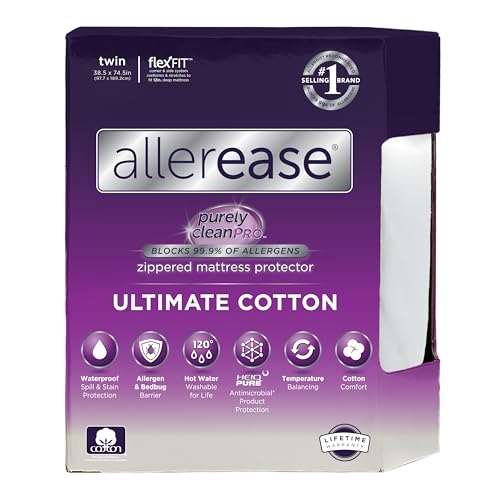
I rely on the AllerEase Zippered Mattress Protector when keeping allergens out of my sleep space matters most, especially if I have dust mite sensitivities or worry about spills and moisture buildup. Its polyester build with a quiet cotton top feels comfortable, while the waterproof backing blocks leaks and stains. Temperature-balancing tech wicks moisture and helps regulate heat, so I sleep cooler. The zippered design fully encloses my twin mattress, sealing out allergens, and the FlexFit elastic corners keep it secure on mattresses up to 14 inches deep. A Clean Sleep feature helps resist odor and keeps it fresher between washes. I machine wash it in hot water with nonchlorine bleach when needed, then tumble dry on low-no ironing. It’s not the softest cover, but the protection and fit make it worth using.
Best For: People with allergies or sensitivities to dust mites who want a protective, secure-fit mattress cover that guards against spills, moisture, and allergens.
Pros:
- Fully encloses the mattress with a zippered design to block allergens, spills, and stains
- Features temperature-balancing technology to wick moisture and help regulate sleep temperature
- Secure Fit with FlexFit elastic corners for mattresses up to 14 inches deep and Clean Sleep protection to resist odors
Cons:
- Not the softest fabric, which may affect comfort for sensitive sleepers
- Requires careful drying on low heat to prevent damage, not ideal for quick laundry cycles
- May feel slightly plasticky due to the waterproof backing
AllerEase Waterproof Mattress Protector (Full)
Someone dealing with allergies or asthma might find real relief in a protector that combines effective allergen blocking with reliable waterproofing, and the AllerEase Waterproof Mattress Protector (Full) delivers both without sacrificing comfort. I appreciate how its 88% polyester and 12% nylon peachy fabric feels soft against the skin while the TPU lamination blocks 99.9% of allergens. It stops spills and accidents without trapping heat, so I sleep cooler. The FlexFit technology keeps it snug, and it’s machine washable. Plus, the lifetime limited warranty means I won’t need to replace it anytime soon.
Best For: Individuals with allergies, asthma, or those seeking a durable, waterproof mattress protector that provides hypoallergenic protection and stays cool throughout the night.
Pros:
- Blocks 99.9% of allergens and is recommended by allergists, ideal for allergy and asthma sufferers
- TPU-laminated barrier offers reliable waterproof protection against spills, accidents, and stains
- Soft, breathable fabric with FlexFit technology ensures a snug, comfortable fit and cool sleep
Cons:
- Contains polyester and nylon, which may not appeal to those seeking natural fiber products
- TPU lamination, while effective, may slightly alter the mattress’s original feel for sensitive sleepers
- Full size may not fit extra-thick mattresses beyond standard dimensions due to fixed stretch limits
HOSPITOLOGY Mattress Encasement Queen Waterproof

When you’re dealing with allergies and need dependable protection without sacrificing comfort, the HOSPITOLOGY Mattress Encasement – Sleep Defense System stands out as a smart choice, especially if you want full barrier coverage. I’ve found it reliably blocks dust mites, bed bugs, and allergens with a lab-tested, six-sided waterproof barrier. Made from stretchable knit polyester with a polyurethane lining, it fits queen mattresses up to 18 inches deep and feels breathable, so I don’t overheat. It’s machine washable, though slight discoloration might happen-it won’t affect performance. Backed by a 5-year warranty, it’s a solid long-term pick.
Best For: Allergy sufferers and those seeking durable, full-coverage protection against bed bugs, dust mites, and spills in a queen-sized mattress encasement.
Pros:
- Fully waterproof, bed bug proof, and dust mite proof with a lab-tested six-sided barrier
- Stretchable knit design fits mattresses up to 18 inches deep and remains breathable for comfortable sleep
- Machine washable and backed by a 5-year limited warranty when purchased from authorized sellers
Cons:
- May show discoloration after washing depending on water quality, though it doesn’t impact functionality
- Polyurethane lining may feel less natural compared to cotton or organic materials
- Warranty does not cover discoloration or damage from improper care or misuse
AllerEase Zippered Mattress Protector Full
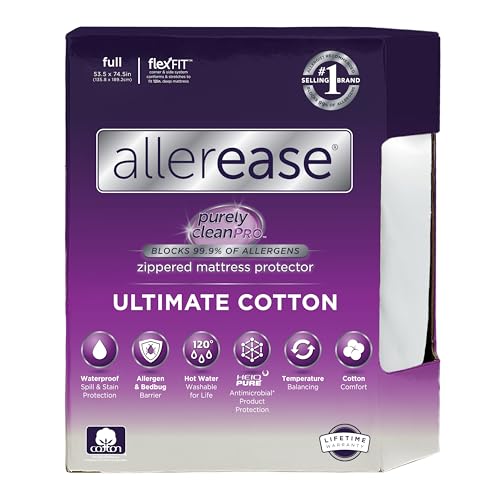
The AllerEase Zippered Mattress Protector Full stands out for allergy sufferers who need a reliable barrier against dust mites, spills, and common allergens without sacrificing comfort. I appreciate its quiet cotton top and waterproof backing, which block irritants while letting me sleep cool thanks to Temperature Balancing Technology. The 88% polyester, 12% nylon fabric fits securely on full mattresses up to 14 inches with FlexFit corners, or deeper beds up to 17 inches. I can toss it in the washer with hot water and nonchlorine bleach when needed, then dry it on the lowest setting. I always remove it promptly to avoid wrinkles or damage.
Best For: Allergy sufferers and anyone seeking a quiet, waterproof mattress protector that provides a secure fit and temperature-regulating comfort.
Pros:
- Effectively blocks dust mites, spills, and allergens with a waterproof backing and quiet cotton top
- Temperature Balancing Technology wicks moisture and helps regulate sleep temperature
- Secure FlexFit elastic corners fit mattresses up to 17 inches deep, ensuring compatibility with various bed sizes
Cons:
- Contains polyester and nylon, which may not appeal to those seeking all-natural materials
- Requires careful drying on the lowest setting to avoid damage or wrinkles
- May feel less soft compared to protectors made with higher percentages of natural fibers
AllerEase Platinum Zip-Off Mattress Protector King

I need a mattress protector that keeps allergens and bed bugs out without sacrificing comfort, and the AllerEase Platinum Zip-Off Mattress Protector King delivers with its fully enclosed design and specialized seams. The 360-degree zipper lets me remove the top easily for washing, while anchor bands keep the base secure. I appreciate the plush, circular-knit fabric-it feels soft but still wicks moisture when I’m hot and insulates when I’m cold. A quiet, waterproof layer protects my mattress from spills without crinkling. Since it fully encases the mattress, I know allergens and bed bugs can’t get in or hide inside.
Best For: People seeking a highly protective, comfortable, and washable mattress protector that guards against allergens, bed bugs, and liquids without compromising sleep quality.
Pros:
- Fully encloses the mattress with a 360-degree zipper and specialized seams to block bed bugs and allergens effectively
- Plush circular-knit fabric top offers softness, temperature regulation, and moisture-wicking for comfortable sleep
- Quiet waterproof layer protects against spills and stains while anchor bands keep the base securely in place
Cons:
- Zip-off design may require more time to reinstall properly after washing
- May feel slightly warmer than non-encasing protectors due to full coverage
- Higher price point compared to basic waterproof mattress pads
AllerEase Waterproof Mattress Protector Twin XL
If you’re looking for reliable allergy protection without sacrificing comfort, the AllerEase Maximum Allergy and Bedbug Mattress Protector in Twin XL fits the bill perfectly. I rely on its TPU-laminated barrier, which blocks 99.9% of allergens, spills, and bedbugs. The 240-thread-count peachy fabric feels soft and stays quiet, while FlexFit technology guarantees a snug fit up to 12 inches deep. I appreciate the moisture-wicking layer and waterproof design-it keeps my mattress clean without trapping heat. It’s machine washable, durable, and backed by a lifetime limited warranty, making it a practical choice for long-term use.
Best For: Individuals seeking a highly effective, waterproof, and comfortable mattress protector that provides allergy and bedbug defense for a Twin XL bed.
Pros:
- Blocks 99.9% of allergens, liquids, and bedbugs with a TPU-laminated barrier and sealed seams
- Soft, breathable peach-finish fabric with moisture-wicking properties for comfortable, quiet sleep
- Machine washable and backed by a lifetime limited warranty for long-term durability and ease of care
Cons:
- May feel slightly plasticky due to the TPU layer, affecting initial comfort for sensitive users
- Only available in white, which may not match all bedroom aesthetics
- Fit may be tight on mattresses with thick, non-standard profiles just under 12 inches
PlushDeluxe Bamboo Mattress Protector – Queen Size

Looking for a mattress protector that won’t trap heat or irritate sensitive skin? I’ve found the PlushDeluxe Bamboo Mattress Protector – Queen Size works well for allergy sufferers who need breathable, gentle protection. Made from soft bamboo viscose, it’s naturally hypoallergenic and resists moisture without crinkling or noise. The waterproof layer blocks spills, sweat, and allergens like dust mites, while letting air flow so you stay cool. It fits most queen mattresses up to 18 inches deep, including memory foam and latex. I wash mine regularly, and it stays soft, secure, and effective-ideal for long-term use whether you’re managing allergies, incontinence, or just want to extend your mattress life.
Best For: Individuals with allergies, sensitive skin, or those needing breathable, quiet, and waterproof protection for their queen mattress.
Pros:
- Soft, breathable bamboo viscose fabric provides a cool, comfortable sleep surface
- Waterproof barrier effectively blocks spills, sweat, and allergens without trapping heat
- Secure fit for mattresses up to 18 inches deep with no shifting or crinkling
Cons:
- May require air drying to maintain fabric and waterproof integrity over time
- Slight scent upon unboxing that takes time to dissipate
- Higher price point compared to basic plastic-backed protectors
National Allergy Cotton Mattress Encasement (Queen)
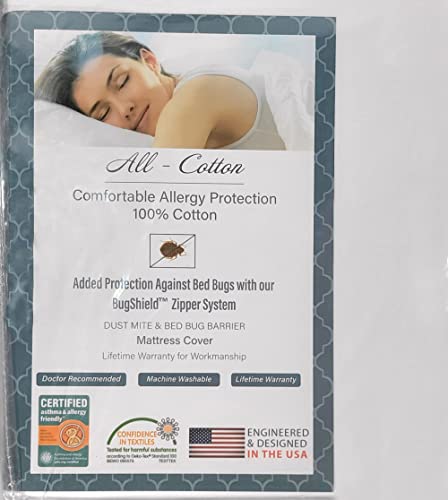
A soft, breathable shield against allergens starts with the National Allergy Cotton Mattress Encasement (Queen), ideal for sensitive sleepers who want natural materials without sacrificing protection. I choose 100% cotton with a 2.6-micron weave because it blocks dust mites and allergens while letting air flow. The six-sided design fits queen mattresses up to 16 inches deep, and the auto-lock zipper with a fabric flap keeps everything sealed tight. Since it’s non-laminated, there’s no plastic noise to disturb sleep. I appreciate that it’s quiet, washable, and certified by AAFA and OEKO-TEX, so I know it’s safe and durable.
Best For: Sensitive sleepers seeking a quiet, natural, and hypoallergenic mattress encasement that provides complete allergen protection without plastic coatings.
Pros:
- Made with 100% cotton and a 2.6-micron weave to block dust mites and allergens while remaining breathable
- Six-sided, zippered encasement with auto-lock zipper and internal flap ensures full, secure, dust-proof coverage
- Independently certified by AAFA and OEKO-TEX Standard 100 for safety, quality, and hypoallergenic performance
Cons:
- Cotton material may offer less waterproof protection compared to polyurethane or vinyl-based encasements
- Limited deep mattress fit (up to 16 inches), which may not accommodate ultra-thick mattress models
- Non-laminated design, while quiet, may be less effective against liquid spills than coated alternatives
Factors to Consider When Choosing Mattresses for Allergies
You’ll want to check the material safety of any mattress, since some foams or adhesives can emit fumes that irritate sensitive airways. Look for models with a strong allergen barrier and verified hypoallergenic certification, so you’re protected against dust mites and other common triggers. A waterproof layer adds another line of defense, but make sure it doesn’t trap heat or compromise breathability during sleep.
Material Safety
Choose a mattress with materials proven to resist allergens and support breathable, non-toxic sleep. Look for protectors with a tightly woven design of 2.6 microns or smaller to block dust mites effectively. If you prefer waterproof protection, pick covers made of 88% polyester and 12% nylon with TPU lamination, which stop 99.9% of common allergens and prevent liquid absorption. These layers also resist mold and mildew growth, reducing allergy triggers. For a more natural feel, choose non-laminated cotton with certified breathability to minimize heat trapping and avoid off-gassing from synthetic coatings. Always check for independent certifications like OEKO-TEX Standard 100 or AAFA approval to confirm materials are free from harmful substances. These standards guarantee your mattress meets strict safety and performance guidelines. Prioritizing certified, non-toxic materials helps you sleep safer and breathe easier night after night.
Allergen Barrier
When it comes to keeping allergens out of your sleep space, a well-designed barrier makes all the difference. Look for tightly woven fabrics with pores of 2.6 microns or smaller-they block dust mites, pollen, and pet dander. A full-coverage encasement with lab-tested waterproof barriers on all six sides stops allergens from entering the mattress and reduces respiratory triggers. TPU-laminated membranes are tough, blocking 99.9% of mold spores and dust mite debris while still letting air pass through. Sealed seams and zippered closures keep allergens from sneaking in over time. If you prefer natural materials, hypoallergenic cotton weaves without lamination offer breathability and noise-free comfort while still acting as a physical shield. These barriers vary in feel and durability, so check warranty length and trial policies when comparing options.
Hypoallergenic Certification
Though not all mattresses are tested to the same standard, opting for one with hypoallergenic certification means you’re getting independent proof that the bed resists common allergens like dust mites, pollen, and pet dander. You’ll want to look for labels like OEKO-TEX Standard 100, which confirms the materials are free from harmful chemicals and safe for sensitive skin. AAFA certification is another solid choice-it means allergists have reviewed and recommend the product for allergy and asthma sufferers. Certified mattresses typically block 99.9% of particles 1 micron or larger, giving you reliable defense against microscopic irritants. Many also feature fully encased designs, so allergens can’t sneak in through seams or zippers. These barriers work quietly all night, supporting cleaner sleep without constant cleaning or extra covers. Choosing a certified mattress isn’t a cure, but it’s a practical step toward fewer symptoms and better rest.
Dust Mite Protection
Since dust mites thrive in warm, humid environments and feed on dead skin cells, your mattress can become a hotspot for these invisible allergens over time. You can protect yourself by choosing a mattress with an allergen-proof encasement or using a tightly woven protector with pores 10 microns or smaller, which blocks dust mites effectively. These barriers prevent allergens from building up inside the mattress core, reducing your nightly exposure. Look for covers labeled as impermeable to allergens-they’re proven to lower indoor allergen levels and ease symptoms if you’re sensitive. Wash your protector regularly in water hotter than 130°F (54°C) to kill mites and remove their waste. A good encasement stays durable through washes and fits snugly without crinkling or slipping. While not part of the mattress itself, this layer makes a measurable difference in sleep quality for allergy sufferers.
Waterproof Performance
A good defense against allergens starts with blocking dust mites, but keeping your mattress truly clean also means stopping liquids from getting inside. Look for a waterproof mattress protector with a TPU-laminated barrier-it blocks spills, sweat, and accidents without compromising comfort. Fully encased designs with zippered closures offer 360-degree protection, sealing all six sides to keep fluids out. Reinforced seams and full-coverage barriers prevent leaks at stitching points, where most failures happen. High-quality membranes resist liquids while allowing some breathability, reducing trapped moisture. These barriers are lab-tested to endure repeated exposure, so they last without breaking down. A durable waterproof layer helps maintain hygiene and extends your mattress’s life. You’re not just protecting against stains-you’re stopping allergens that thrive in damp environments. Choose one that balances solid protection with long-term performance, so you sleep cleaner and more restfully, night after night.
Breathability Factor
When choosing a mattress that supports better sleep with fewer allergy triggers, don’t overlook how well it breathes-airflow and moisture control play a big role in keeping your sleeping environment clean and comfortable. Look for tightly woven fabrics with a thread count of 240 or higher; they block allergens while still allowing air to circulate. Avoid non-porous waterproof barriers like polyurethane, since they trap heat and reduce breathability. Instead, choose mattress protectors made from natural fibers or engineered textiles that let air flow and wick moisture away from your body. Fabrics with moisture-wicking properties help regulate temperature, keeping you cooler. Some allergen barriers use lab-tested breathable membranes that block particles but allow vapor to escape, improving comfort. These features work together to reduce humidity buildup, which can worsen allergy symptoms. Prioritizing breathability helps you stay cool and sleep more restfully-without sacrificing protection.
Washability Features
You’ve already considered how breathability affects your sleep environment, but just as important is how easily you can keep that environment clean. Choose mattress protectors with machine-washable designs that handle hot water cycles, killing dust mites and removing pollen. Look for waterproof barriers made of breathable, TPU-laminated fabrics-these resist moisture and stay strong after many washes. Pick models with full-zip encasement so you can remove and wash the cover without damaging it. Follow care instructions carefully: tumble drying on low heat helps maintain waterproof performance and fabric strength over time. Some brands offer lifetime limited warranties that cover repeated washing, which means long-term protection from allergens. These features work together to keep your mattress hygienic and effective. Prioritizing washability isn’t just about convenience-it’s a key part of managing allergies while you sleep.
Frequently Asked Questions
Can I Wash the Mattress Protector in Hot Water?
Yes, you can wash the mattress protector in hot water, but check the care label first-you might damage fibers if the heat’s too high. Most quality protectors tolerate hot water, which kills dust mites and bacteria effectively. Use mild detergent and skip bleach or fabric softeners. Tumble dry on low or air dry to preserve waterproof backing. Washing weekly helps maintain hygiene, especially if you have allergies. Regular cleaning extends protector life and keeps your sleep environment fresh and comfortable over time.
Does the Protector Reduce Dust Mites Effectively?
Yes, the protector reduces dust mites effectively by sealing them inside the mattress and blocking their access to skin flakes. You’ll keep allergens contained, especially with tightly woven, hypoallergenic fabrics. Most quality protectors use barriers that resist mite penetration while allowing airflow. Wash it regularly in hot water to maintain performance. Look for models with certifications like Asthma & Allergy Friendly for verified results.
How Often Should I Replace the Mattress Encasement?
You should replace the mattress encasement every 2 to 3 years, or sooner if it shows signs of wear like tears or reduced zipper function. A damaged encasement won’t block dust mites effectively. Regular washing helps extend its life-wash it every 2 to 3 months in hot water. Check manufacturer guidelines, since materials vary. Waterproof models may degrade faster. Always guarantee full coverage and a tight seal for lasting protection.
Are These Protectors Safe for Children With Allergies?
Yes, these protectors are safe for children with allergies when they’re made from hypoallergenic, breathable materials like organic cotton or tightly woven microfiber. They block dust mites, pet dander, and mold without using harsh chemicals. Look for certifications like OEKO-TEX or GREENGUARD Gold to guarantee low emissions. They’re durable, machine-washable, and work well with most mattresses, giving your child cleaner sleep air while staying comfortable night after night.
Do Waterproof Protectors Make Noise When You Move?
You’ll notice some waterproof protectors make noise when you move, especially plastic-backed ones that crinkle with every shift. Newer models use breathable, quiet materials like TPU or polyurethane membranes that stay silent and comfortable. If noise bothers you, choose one labeled quiet or whisper-safe. Look for stretchy, fitted designs that move with the mattress. Most brands offer trial periods, so test it at home to confirm it suits your sleep style.