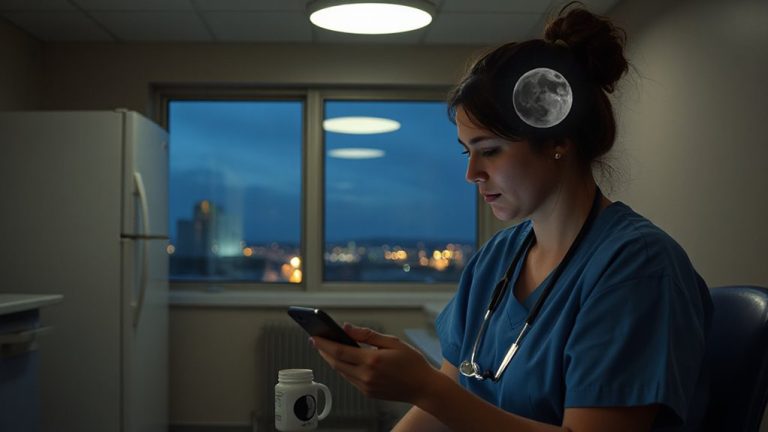
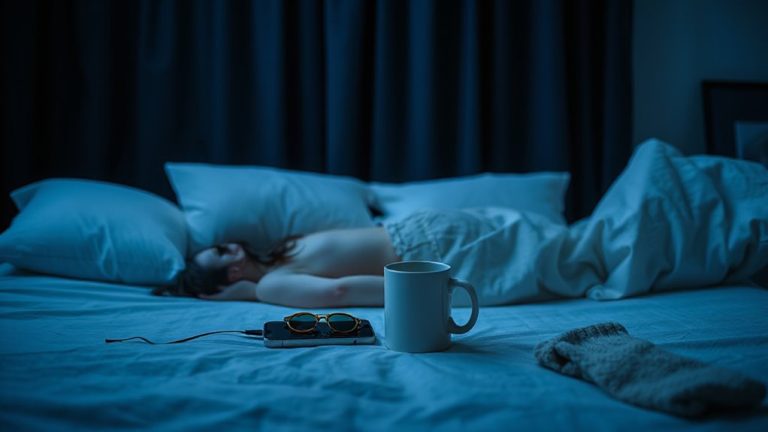
The Impact of Screen Time on Adolescent Chronotypes and Their Sleep Quality
Your teen’s natural shift toward later sleep is worsened by screen time, which delays melatonin and pushes bedtime further. Blue light tricks the brain into daytime mode, while social media and gaming keep it alert with dopamine spikes. This mix disrupts circadian rhythm, hurting sleep quality, focus, and mood. Limit screens at least one hour before bed, use night filters, and keep a consistent wake-up time. Small changes can make a noticeable difference-there’s more to learn about supporting long-term sleep health.
Notable Insights
- Adolescent chronotypes naturally shift later due to biological changes, making teens alert later and sleepy in the morning.
- Screen time delays melatonin release, worsening the natural delay in sleep onset for teens.
- Blue light from screens suppresses melatonin more than other wavelengths, disrupting circadian rhythms.
- Cognitive arousal from social media and gaming increases alertness, reducing sleep quality and delaying sleep.
- Limiting screens one hour before bed supports better sleep and helps align circadian rhythms with healthy sleep patterns.
Why Teens Naturally Shift Toward Night Owl Sleep
Many teens begin to feel alert later at night and struggle to wake up early in the morning, and this shift isn’t just about phone use or bad habits-it’s rooted in biology. Your internal clock shifts during adolescence due to hormonal changes, especially in melatonin timing. This means your body doesn’t signal sleepiness until later, often past 10 or 11 p.m. At the same time, brain development alters how you process sleep signals, making deep, restorative sleep start later in your cycle. These adjustments are normal, not a sign of poor discipline. You may find it easier to focus at night, but early school start times can disrupt your natural rhythm. While sleep aids exist, they’re not always needed or recommended without medical advice. Instead, consider gradual schedule shifts and consistent routines. Understanding your body’s timing helps you make informed sleep choices without relying on quick fixes.
How Screen Time Delays Melatonin and Wrecks Sleep
Your body’s natural shift toward a later sleep schedule during adolescence sets the stage, but screen time can push things further out of balance. Late-night scrolling or gaming delays melatonin release, the hormone that signals bedtime. This causes circadian disruption, weakening your body’s sleep-wake rhythm. With regular exposure, you risk long-term hormonal imbalance, affecting mood, focus, and recovery. Sleep specialists often recommend limiting screens at least one hour before bed to support natural melatonin flow. Using night modes may help, but they don’t fully prevent disruption. For teens with persistent sleep issues, tracking sleep patterns and consulting a healthcare provider can guide safer choices-like melatonin supplements, used short-term under supervision. Look for products with third-party testing, clear dosing up to 0.5–3 mg, and trial periods. Warranties on sleep aids vary-check return policies. The best melatonin supplements are formulated to align with the body’s natural sleep cycle and undergo rigorous quality testing.
How Blue Light Makes Teens Stay Up Later
Because blue light from screens closely mimics daylight, it tricks your brain into thinking it’s still daytime, which can delay sleep onset just when you need to wind down. This kind of light exposure suppresses melatonin more than other wavelengths, worsening circadian disruption. Your internal clock relies on natural light cues, so late-night screen use confuses it, pushing your bedtime later. Over time, this shift can make falling asleep feel harder, even when you’re tired. Reducing screen brightness or using blue light filters in the evening can help ease this effect. Some devices offer night modes that adjust color temperature automatically. Though results vary, trying these features for a week or two may reveal improvements in how quickly you fall asleep. Check app settings or built-in tools-many are free and easy to activate. Small adjustments to light exposure may support better rhythm alignment without needing sleep aids.
Why Late-Night Scrolling and Gaming Keep Brains Alert
While you might feel relaxed swiping through social media or winning a late-night game, your brain’s actually ramping up activity just when it should be winding down. That’s because both scrolling and gaming trigger cognitive arousal, keeping your mind engaged with fast-paced content or social rewards. Each interaction causes dopamine spikes, chemicals that signal pleasure and motivation, telling your brain it’s time to stay alert, not sleep. These spikes make it harder to disconnect, even when you know you should rest.
| Activity | Brain Effect |
|---|---|
| Social media | Cognitive arousal, dopamine spikes |
| Video gaming | Heightened focus, dopamine release |
| Messaging friends | Emotional engagement, delayed sleep onset |
This mental stimulation delays sleep onset and lowers sleep quality over time. If this happens regularly, it may contribute to circadian shifts. Consider screen limits or wind-down routines that signal your brain it’s time to rest.
What Poor Sleep Does to Grades and Mood
When your brain doesn’t get enough rest, it’s not just your energy that takes a hit-your focus, memory, and emotional control start to slip too. You’re more likely to experience academic decline because sleep deprivation weakens your ability to retain information and stay alert in class. Even small nightly deficits add up, making it harder to keep up with assignments or think clearly on tests. At the same time, poor sleep fuels emotional instability, increasing irritability, anxiety, and mood swings. You might notice you overreact to small stressors or feel withdrawn from friends. These effects aren’t permanent, but they can disrupt your daily life if left unaddressed. Tracking your sleep patterns can help identify whether a disorder like insomnia or delayed sleep phase is involved. While sleep aids exist, starting with consistent bedtime routines often brings safer, longer-term improvement.
How to Reset Your Teen’s Sleep Clock
If you’ve noticed your teen struggling to fall asleep at a reasonable hour or dragging themselves out of bed each morning, their internal sleep clock may be out of sync with their daily schedule. Resetting it starts with consistent wake-up times-even on weekends-to support better circadian alignment. Exposure to bright morning light helps signal the brain that it’s time to be awake, while dimming lights at night encourages natural melatonin release. Pair this with solid sleep hygiene: a cool, quiet sleep environment and a relaxing pre-bed routine free of stimulating activities. Avoid suggesting sleep aids unless advised by a doctor, as most teens benefit more from behavioral changes. Small, consistent adjustments improve sleep quality over time, supporting both health and daily performance. Trial gradual shifts in bedtime, monitor changes, and adjust as needed for lasting results.
Build a Screen-Smart Bedtime Routine for Better Sleep
Since screens emit blue light that can interfere with melatonin production, stepping back from devices at least an hour before bed gives your body a better chance to wind down naturally. Setting consistent screen curfews helps signal to your brain that it’s time to shift into sleep mode. Try a nightly digital detox-swap scrolling for reading a book or listening to calm music. These habits support a stable sleep schedule, improving both sleep onset and quality. If you use devices late, consider blue light filters or night mode settings, though they’re not a full substitute for disconnection. Pair screen curfews with a quiet, dark sleeping environment to enhance natural circadian rhythms. Over time, this routine can reduce reliance on sleep aids and decrease risks linked to sleep disorders. Small, consistent changes offer measurable improvements in how rested and alert you feel.
On a final note
You can improve sleep by reducing screen time before bed, especially blue light from phones and tablets, which delays melatonin. A consistent bedtime routine with dim lights and no screens helps reset your natural sleep clock. If sleep problems continue, consider speaking with a doctor to explore options like melatonin supplements or light therapy, checking for warranties or trial periods on sleep aids.