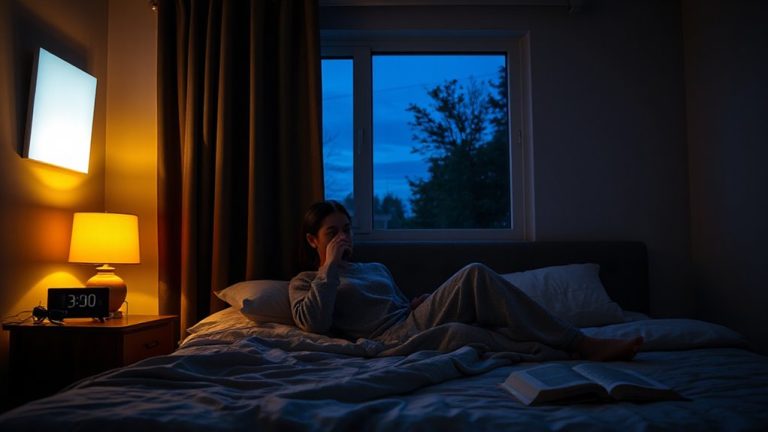
Why Irregular Sleep-Wake Rhythm Disorder Is Common in Nursing Home Residents
You’re more likely to experience irregular sleep-wake rhythm disorder in nursing homes because aging and dementia weaken your body’s internal clock, leading to fragmented sleep. Limited daylight, inconsistent routines, and disrupted light exposure make it harder to stay on a steady cycle. Medications and poor environmental cues further disturb sleep patterns. Your brain gets less signals to stay awake during the day or rest at night. Improvements in lighting, scheduling, and daily habits can help reset your rhythm-you’ll discover which changes have the strongest effect on restoring better sleep patterns.
Notable Insights
- Aging naturally weakens circadian rhythms, leading to fragmented sleep patterns common in nursing home residents.
- Dementia-related neurodegeneration disrupts brain regions that regulate sleep-wake cycles.
- Limited exposure to natural daylight in nursing homes contributes to circadian misalignment.
- Irregular daily routines, meals, and activities fail to reinforce a stable sleep-wake schedule.
- Common medications and nighttime disruptions in facilities further impair sleep consistency.
Why Seniors Lose Their Natural Sleep Rhythm
While aging naturally affects your body’s internal clock, other factors in nursing home settings can further disrupt your sleep-wake rhythm. You experience circadian decline as your body’s ability to maintain a steady 24-hour cycle weakens. This shift often shows up as earlier bedtimes and wake times. At the same time, melatonin reduction plays a key role-your brain produces less of this sleep-regulating hormone, making it harder to fall and stay asleep. Limited daylight exposure, routine inactivity, and irregular social interactions in care facilities can deepen this disruption. Though sleep aids exist, they come with trade-offs in effectiveness and side effects. Light therapy and structured daily routines may support rhythm stability. Consider options with measurable benefits, like timed lighting systems or melatonin supplements under medical guidance, to address both circadian decline and melatonin reduction safely. A deficiency in certain nutrients, such as magnesium supplements, may also contribute to sleep disturbances in older adults.
How Dementia Triggers Irregular Sleep-Wake Rhythm Disorder
Because dementia affects the brain regions that regulate sleep, you’re more likely to experience disrupted sleep patterns as the condition progresses. The neurodegeneration effects interfere with how your body maintains a regular 24-hour cycle, leading to circadian misalignment. You may feel sleepy during the day and alert at night, making rest hard to sustain. As brain function declines, signals that promote wakefulness and sleep become weaker and less predictable. This disruption isn’t just about tiredness-it can worsen confusion and impact daily functioning. Recognizing circadian misalignment early helps guide care choices. Non-medication strategies, like timed light exposure and consistent routines, often support better rhythm regulation. Sleep aids may be used, but their risks and benefits should be weighed carefully. Understanding how neurodegeneration effects shape sleep helps inform practical, individualized approaches to improve rest and quality of life.
What Is Irregular Sleep-Wake Rhythm Disorder?
Irregular Sleep-Wake Rhythm Disorder (ISWRD) is a circadian rhythm condition where your sleep gets broken into multiple small chunks throughout the 24-hour day, with no clear main sleep period. You might nap off and on for one to four hours at a time, never getting a solid block of rest. This pattern leads to persistent sleep fragmentation, leaving you feeling unrested. The root cause lies in circadian misalignment-your body’s internal clock loses its usual 24-hour rhythm, often due to limited exposure to natural light or irregular daily routines. Without strong time cues, your sleep-wake cycles become disorganized. This disorder commonly affects older adults, especially those in nursing homes. Recognizing the signs helps guide better sleep choices. Treatments focus on reinforcing your natural rhythm, such as scheduled activities and proper timing of light.睡眠 time matters, but so does timing.
Why Light Exposure Is Critical in Nursing Homes
When natural light filters into a room, it signals your brain to stay alert and aligns your internal clock with the 24-hour day, making exposure to daylight a key factor in managing sleep health-especially in nursing homes where residents often spend most of their time indoors. Without enough daylight, your circadian rhythms can drift, worsening sleep patterns. Light therapy offers structured bright exposure, helping restore circadian support through timed use of specialized lamps or ceiling systems. These devices mimic natural sunlight, and when used in the morning, they improve alertness and nighttime rest. Many facilities now install tunable lighting that adjusts intensity and color temperature throughout the day. Evidence shows consistent light therapy can reduce daytime napping and nighttime wandering. Though results vary, most residents benefit within weeks. Devices often come with adjustable settings and multi-year warranties, making them a practical addition to sleep health plans.
How Inconsistent Routines Worsen Sleep Disruption
While your body thrives on predictability, inconsistent daily routines can throw off your natural sleep-wake cycle, especially in nursing home settings where structure may vary from day to day. Bedtime inconsistency confuses your internal clock, making it harder to fall asleep or stay asleep at regular times. When your schedule shifts often, your brain doesn’t get clear signals for when to wind down. Daily fragmentation-frequent naps, irregular meal times, or unpredictable activities-further disrupts sleep patterns. These broken rhythms reduce nighttime sleep quality and increase daytime drowsiness. Over time, this can deepen sleep disruption and worsen irregular sleep-wake rhythm disorder. Sticking to a steady routine, with consistent wake times, meals, and bedtime habits, supports better sleep regulation. Even small improvements in daily structure can help stabilize your sleep over time, making rest more restorative with minimal side effects.
Common Medications and Conditions That Disrupt Sleep
Many nursing home residents face sleep challenges that go beyond daily routines, and what you’re taking for other health issues might be making it harder to rest. Medication side effects from common treatments-like diuretics, antidepressants, or corticosteroids-can interfere with your ability to fall or stay asleep. Even some drugs used in chronic pain management, such as opioids or certain NSAIDs, may disrupt sleep patterns despite helping with discomfort. Conditions like arthritis, neuropathy, or restless legs syndrome also contribute, often requiring careful balancing of relief and rest. Sleep aids might help, but they come with risks, especially over time. It’s important to review all medications with healthcare providers to see which ones could be affecting sleep. Adjusting timing, dosage, or trying non-drug therapies might improve rest without sacrificing symptom control. Small changes can make a meaningful difference in how well you sleep.
Can Nursing Homes Fix Resident Sleep Schedules?
How can nursing homes help you or your loved one sleep better when daily routines feel out of sync? Improving sleep schedules often depends on consistent staff coordination and thoughtful policy adjustments. Nurses and caregivers can support regular sleep by minimizing nighttime disruptions, like essential checks or hallway noise. Scheduling activities, meals, and lights-on time at the same hours daily helps reset the body’s clock. Staff trained in sleep hygiene can recognize early signs of disruption and respond quickly. Some facilities adjust policies to limit naps or restrict caffeine after noon. Others use light therapy in common areas to boost alertness during the day. These changes don’t happen overnight, but steady efforts improve sleep over time. You’ll want to ask about a facility’s approach to routines and whether they track sleep patterns. Good communication with staff increases your role in shaping better rest.
On a final note
You can improve sleep by keeping consistent routines and increasing daytime light exposure. Irregular sleep-wake rhythm disorder is common in nursing homes, often due to dementia, poor lighting, and certain medications. While complete fixes are rare, structured schedules and timed light therapy help regulate sleep patterns. Always review medications with a doctor. Some residents benefit from melatonin, but discuss risks and trial periods first. Warranties or guarantees on sleep aids vary-check policies before trying any device or supplement.