Parasomnias in Children: Night Terrors, Sleepwalking & Warning Signs
You might notice your child sitting up, screaming, or sleepwalking during the night, yet they won’t remember it in the morning-common signs of parasomnias like night terrors or sleep talking. These often happen during deep sleep and are typical between ages 3 and 12. Track episodes in a sleep diary, keep a regular bedtime routine, and guarantee the room is safe. If episodes are frequent or risky, it’s worth exploring what could be triggering them.
Notable Insights
- Night terrors in children involve intense screaming and thrashing during deep sleep, with no memory of the episode afterward.
- Sleepwalking, bedwetting after age 7, or confusion during sleep may indicate a parasomnia disorder.
- Parasomnias typically occur at the same time each night, often within the first few hours of sleep.
- Track episodes in a sleep diary to identify patterns, frequency, and potential triggers of abnormal sleep behaviors.
- Seek medical advice if episodes happen several times weekly, last longer than 15 minutes, or pose safety risks.
Signs Your Child Might Have a Parasomnia
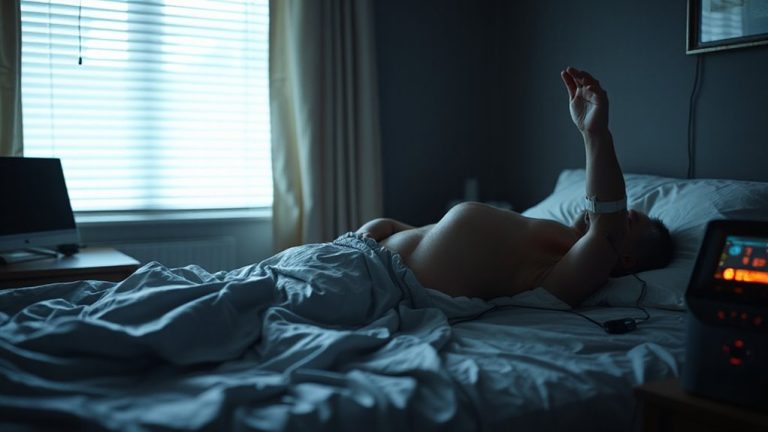
Could your child’s nighttime behaviors be more than just restlessness? Frequent bedwetting episodes after age 7 or intense night terrors episodes could signal a parasomnia. These aren’t typical dreams-night terrors episodes often involve screaming, thrashing, or sitting upright while still asleep, with no memory the next day. Bedwetting episodes that persist despite daytime bladder control may point to underlying sleep disruptions. Watch for patterns: do episodes happen at the same time each night, or during deep sleep stages? Clues like confusion, sleepwalking, or incontinence during sleep warrant attention. While most parasomnias resolve over time, consistent symptoms can affect sleep quality and daily functioning. Tracking episodes in a sleep diary helps identify triggers or cycles. You might consider consulting a pediatric sleep specialist, especially if safety, hygiene, or school performance becomes a concern. Early recognition supports timely evaluation and safer, more restful nights for your child.
5 Common Parasomnias in Kids (and What They Look Like)
A good night’s sleep can feel out of reach when your child experiences parasomnias, but knowing what to look for makes a difference. Sleep talking is common and usually harmless; your child might mumble or speak clearly during light or deep sleep, often without remembering it. It rarely needs treatment unless it disrupts sleep patterns. Night terrors are more intense-you might find your child sitting up, screaming, or seeming panicked, yet still asleep. They typically don’t respond during episodes and won’t recall them afterward. These often occur in the first few hours of sleep and tend to resolve on their own. Unlike nightmares, night terrors happen during non-REM sleep and aren’t linked to scary dreams. Both are part of a spectrum of normal sleep behaviors in kids, especially between ages 3 and 12. Monitoring timing and frequency helps determine if changes in routine or sleep hygiene might help. Establishing a consistent bedtime routine can significantly improve sleep quality, and incorporating trusted baby sleep schedule helpers may provide added support for families managing parasomnias.
When to Worry About Your Child’s Sleep Behavior
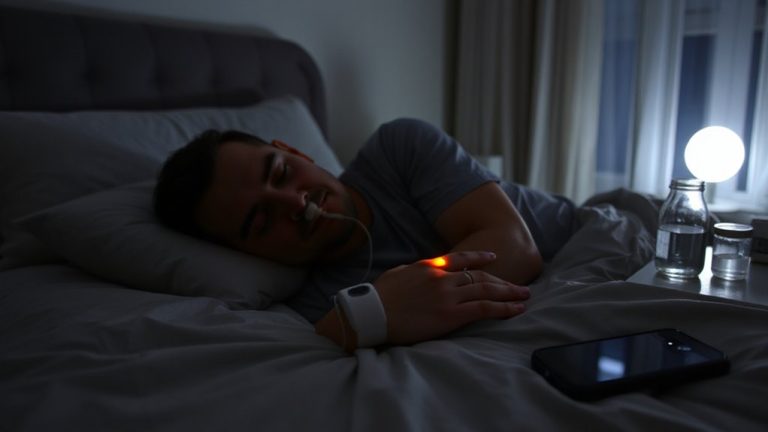
How do you know when a nighttime behavior is just a phase or something more serious? Occasional sleepwalking episodes or brief confusion during arousal are common and often harmless. But if these events happen frequently-like several times a week-or last longer than 10 to 15 minutes, they might signal a deeper issue. You should also watch for signs of injury risk, such as your child leaving the room or attempting complex actions while asleep. Night terrors management becomes more urgent when your child screams intensely, can’t be comforted, and doesn’t recall the event the next morning. Frequent disruptions can reduce sleep quality for the whole household. You’ll want to keep a sleep diary to track patterns. While most cases improve with routine and safety adjustments, persistent or worsening symptoms need closer attention. Consider evaluating sleep hygiene, environment, and daily stressors before moving to interventions. For added reassurance, especially with infants, using a reliable baby sleep breathing monitor can help track breathing patterns and alert caregivers to potential concerns.
When to Talk to a Doctor About Sleep Disorders
If you’ve noticed your child’s sleep behaviors happen often, last a long time, or involve risky actions like climbing out of bed or walking downstairs, it’s time to think about reaching out to a doctor. Frequent night wakings, sleepwalking, or confusion during sleep could signal a parasomnia needing attention. A consistent sleep environment helps reduce some triggers, but if problems continue, a medical evaluation is key. Doctors can check for underlying issues like sleep apnea or anxiety and recommend safe strategies. Don’t wait if your child seems tired during the day or struggles with focus-these are signs sleep quality is affected. A professional can guide you on next steps without pushing treatments. Early evaluation helps your child get restful, safe sleep. You’re not overreacting-just being proactive.
How to Make Your Child’s Bedroom Safer for Sleep
With safety in mind, start by arranging the bedroom to minimize risks during nighttime movements, especially if your child experiences sleepwalking or night terrors. Secure furniture to walls, use safety gates at doors, and keep floors clear of clutter. Choose soft rugs near the bed to cushion falls. Consider installing door alarms to alert you if your child wanders. Bedroom lighting should be dim but accessible-use night-lights with warm tones to avoid disrupting melatonin. Position them low to guide footsteps without glare. Consistent sleep routines help regulate the sleep cycle, reducing parasomnia frequency. Establish calming habits like reading or quiet talk before bed. Avoid screens and caffeine close to bedtime. These routines signal the body it’s time to wind down. Safety isn’t about perfection-it’s about thoughtful, gradual improvements that support restful, lower-risk sleep. A properly designed sleep environment can include a high-quality best sleep eye masks to support uninterrupted rest.
On a final note
You know your child best, and noticing unusual sleep patterns early helps address concerns before they grow. Parasomnias are common and often pass with time, but simple safety steps-like securing windows or using bed alarms-can reduce risks. Track episodes calmly and share details with your doctor, who might suggest sleep studies or adjustments in routine. When needed, evidence-based treatments are available. Prioritize consistency, safety, and professional guidance for the best outcomes.