Why Advanced Sleep Phase Disorder May Require Professional Sleep Specialist Care
You might need a sleep specialist if your early sleep and wake times disrupt work, relationships, or daily functioning. Advanced Sleep Phase Disorder isn’t just preference-it’s a biological shift that’s hard to override. Doctors use sleep logs, actigraphy, and timing data to confirm it. Without proper diagnosis, it’s often mistaken for insomnia or depression. Light therapy in the evening can help delay your clock, and melatonin might be recommended. Getting expert care guarantees you’re not mislabeled or missing effective treatment. Understanding the right next steps could make a real difference in how you manage your nights and days.
Notable Insights
- Advanced Sleep Phase Disorder involves a biologically driven early sleep-wake cycle that cannot be easily adjusted without expert intervention.
- It is often mistaken for depression or insomnia, requiring a sleep specialist to accurately diagnose and prevent mismanagement.
- Diagnosis relies on detailed sleep diaries and actigraphy, tools best interpreted by professionals experienced in circadian disorders.
- Light therapy timing and melatonin dosing must be precisely managed to shift the internal clock safely and effectively.
- When ASPD disrupts work, social life, or daily functioning, a sleep specialist can tailor treatment to restore quality of life.
What Is Advanced Sleep Phase Disorder (ASPD)?
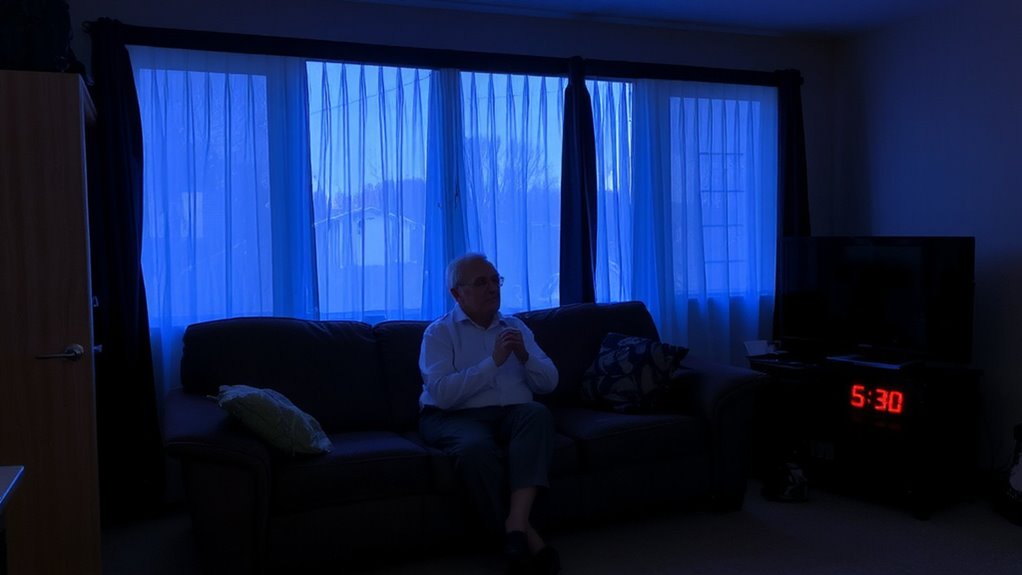
What if your body clock simply ran hours ahead of everyone else’s? That’s what happens with Advanced Sleep Phase Disorder (ASPD), a condition where your circadian rhythm shifts markedly earlier than typical. You’ll feel tired long before others do, with sleep onset happening in the early evening-sometimes as early as 6 or 7 p.m. As a result, you wake up in the early morning hours, often between 2 and 5 a.m., fully alert but isolated from normal social routines. This isn’t just preference-it’s a biological shift. Your internal clock regulates sleep and wake times differently, making it hard to stay up later even if you want to. While light exposure and schedule adjustments may help, consistent symptoms often require evaluation by a sleep specialist. Understanding your circadian rhythm’s timing helps clarify whether your sleep pattern is simply early or truly out of sync.
Could You Have ASPD Instead of Just Being an Early Bird?
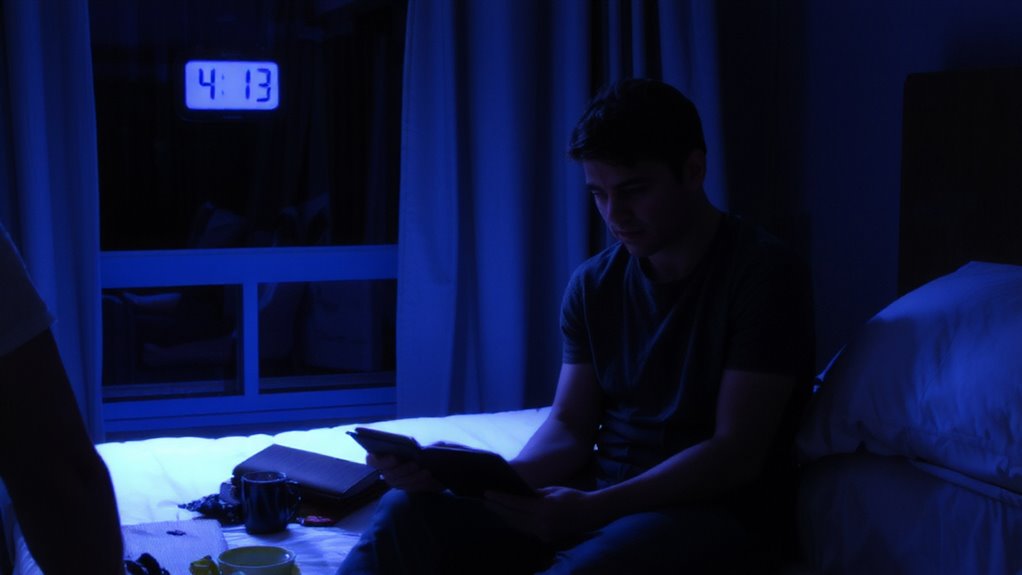
How can you tell if your early schedule is just a preference or something more? If you consistently fall asleep and wake up much earlier than desired-say, 7 p.m. and 3 a.m.-and can’t adjust even when you try, it might not be habit. This could be ASPD, often rooted in genetic predisposition, meaning it runs in families. Unlike early birds who adapt easily, people with ASPD experience circadian misalignment, where the body’s internal clock doesn’t match social or work demands. You might struggle to stay awake in the evening or feel forced awake before light. It’s not about discipline-it’s biology. This misalignment can affect mood, focus, and daily function. Recognizing the signs helps you decide whether to seek further insight. It’s okay to wonder if it’s more than preference-many do.
How Doctors Diagnose Advanced Sleep Phase Disorder?
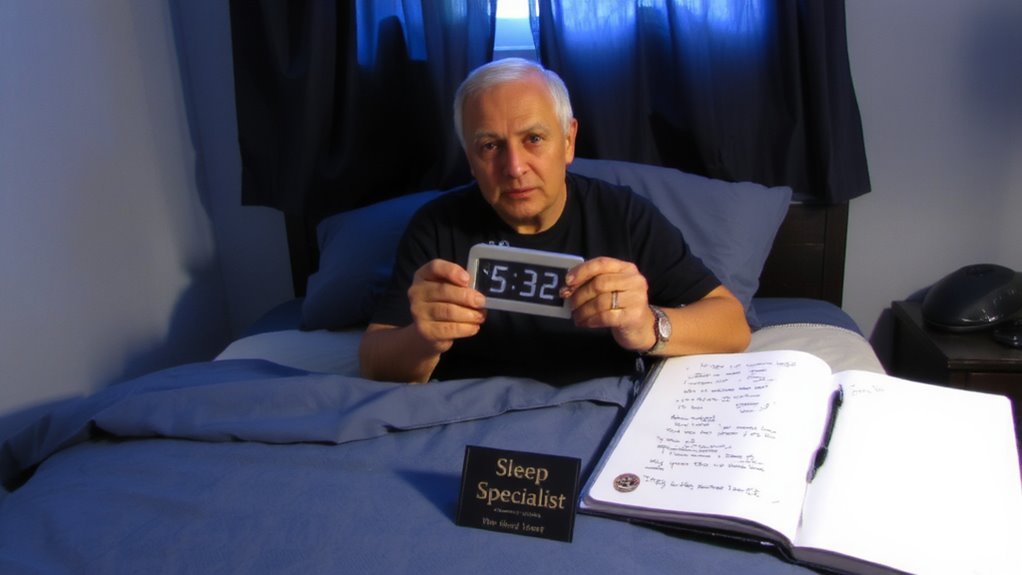
Ever wonder why you’re exhausted by dinnertime while others are just getting started? Doctors suspect Advanced Sleep Phase Disorder (ASPD) when your sleep schedule shifts unusually early. To confirm it, they’ll ask you to keep sleep diaries for several weeks, noting when you fall asleep and wake up. These logs help reveal patterns others might miss. You may also wear a device for actigraphy monitoring, which tracks movement and light exposure over days or weeks. This data shows whether your body’s internal clock is truly advancing. Polysomnography isn’t always needed, but doctors might use it to rule out other conditions. Combining sleep diaries and actigraphy monitoring gives a clear, detailed picture. With this evidence, specialists can accurately diagnose ASPD and discuss options tailored to your rhythm.
Why ASPD Is Often Mistaken for Depression or Insomnia?
Why do so many people with Advanced Sleep Phase Disorder end up thinking they’re just oversleeping or struggling with insomnia? Because your sleep schedule shifts so early, you may wake up at 4 a.m. feeling rested but unable to go back to sleep, making it seem like insomnia. You’re not staying up late, so others assume you’re oversleeping. But you’re actually sleeping normally-just at an unusual time. This mismatch can cause mood disturbances, like low energy or irritability, especially in evenings when you feel out of sync. Social isolation often follows since you’re asleep when others are socializing. These symptoms mirror depression, leading to misdiagnosis. Without tracking your sleep patterns closely, it’s easy to misunderstand the root cause. Recognizing these signs helps guide better decisions about evaluation and care. A sleep specialist can distinguish ASPD from depression or insomnia through careful history and testing.
Can Light Therapy Fix Your ASPD Sleep Schedule?
Could adjusting your internal clock be as simple as turning on a lamp? For your ASPD sleep schedule, light exposure in the early evening may help shift your rhythm later. Using a bright light box for 30 to 60 minutes around sunset can delay your natural sleep drive. This works by signaling your brain to stay alert, pushing back melatonin timing. Consistent use over days or weeks improves results, with many noticing changes within a week. The best devices emit 10,000 lux and filter out UV rays for safe use. You’ll want to sit about 16 to 24 inches away, facing slightly away from the light to reduce glare. While not a fix for everyone, light therapy offers a non-invasive way to adjust your sleep cycle. Pairing it with delayed melatonin timing can enhance outcomes. Talk to your doctor before starting, and track your progress weekly to assess effectiveness.
When Should You See a Sleep Specialist for Early Sleep?
If light therapy hasn’t shifted your sleep pattern as expected, or if your early sleep onset is disrupting work, social life, or daily functioning, it might be time to reach out to a sleep specialist. You could be experiencing a chronotype mismatch, where your natural sleep preference doesn’t align with your daily demands. A specialist can assess possible circadian misalignment through sleep logs, actigraphy, or melatonin testing. Early sleep that forces you to bed at 6 or 7 p.m. and wake before dawn may signal Advanced Sleep Phase Disorder. Treatment options might include timed bright light exposure, melatonin supplementation, or behavioral adjustments-all tailored to your schedule and biology. Unlike general advice, specialist care offers personalized strategies backed by testing. If symptoms persist or affect well-being, professional evaluation provides clarity and direction without guesswork.
On a final note
You might think you’re just an early riser, but if you’re falling asleep and waking hours earlier than desired, it could be ASPD. Left untreated, it can disrupt work, social life, and well-being. Seeing a sleep specialist helps rule out depression or insomnia and confirms diagnosis through sleep logs or actigraphy. Light therapy in the evening may help reset your rhythm. Some find melatonin supplements useful, but timing matters. A specialist can guide proper dosing, monitor progress, and adjust treatment with your schedule in mind. Short-term trials with follow-ups guarantee effectiveness. Warranties on light therapy devices vary, so check manufacturer policies. Knowing the cause helps you choose safe, proven solutions confidently.