How to Use Guided Sleep Meditations Focused on Body Scanning for Pain Relief
You can use guided sleep meditations with body scanning to help ease pain by slowly focusing on each body part, from toes to head, releasing tension with your breath. Find a quiet space, lie comfortably, and choose a free option like Insight Timer or a paid app like Calm for higher-quality, structured sessions. Let the guide’s voice help you stay centered, especially if pain distracts you-short, 10-minute practices build consistency. You’ll discover effective strategies that fit your needs with regular use.
Notable Insights
- Choose guided sleep meditations with body scanning focus to systematically release muscle tension and ease chronic pain.
- Prepare a calming environment with dim lighting, comfortable bedding, and soothing aromatherapy to enhance relaxation.
- Begin with mindful breathing to anchor attention and facilitate a head-to-toe body scan.
- Use free or paid meditation apps offering sessions tailored to pain relief and sleep support.
- Stay patient and gently refocus when pain distracts, using short sessions to build tolerance over time.
What Is Body Scanning and How Does It Reduce Pain?

Have you ever wondered how simply paying attention to your body could ease pain and improve sleep? Body scanning guides you to focus on each body part, from toes to head, helping you notice tension without judgment. This practice activates neurological pathways linked to awareness and regulation, gradually reducing pain signals. As you tune in, your brain signals for muscle relaxation, releasing tightness you might not have realized was there. Over time, this can lessen chronic discomfort and support deeper rest. Guided meditations structure this process, making it easier to follow consistently. It doesn’t require special tools or a prescription, just time and willingness to try. While results vary, many find benefits after regular sessions. It’s non-invasive, low-risk, and fits alongside other treatments. Consider trying a free app or audio program to test its effects on your sleep and pain patterns.
Prepare a Calm Space for Sleep and Pain Relief
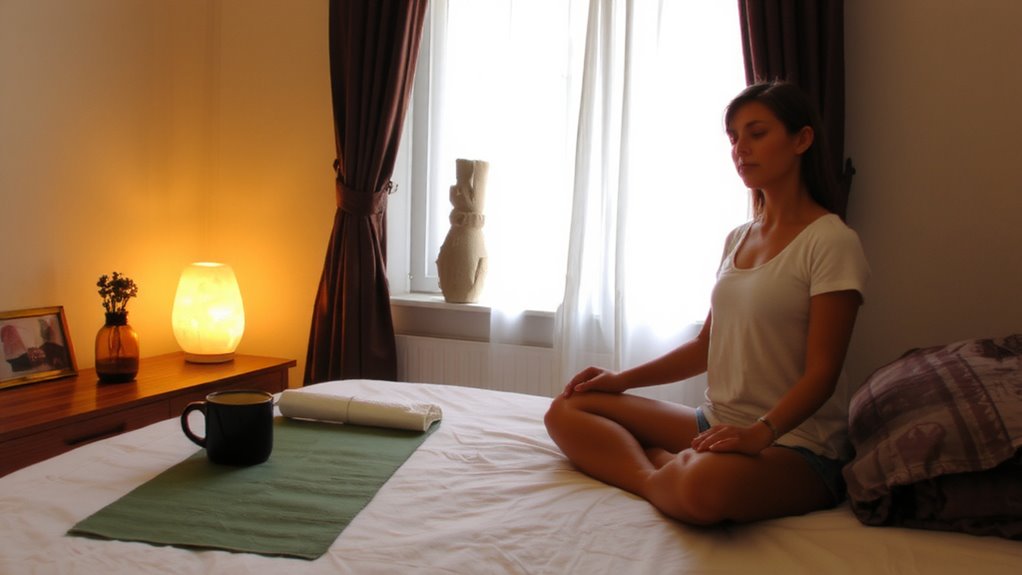
A restful environment starts with intention, and your bedroom should support both sleep and comfort when managing pain. Choose soft, breathable bedding and adjust lighting to signal relaxation-dim, warm tones work best. Consider aromatherapy diffusion using lavender or chamomile, which some studies suggest may help ease tension and support rest. Use a quiet diffuser with adjustable settings for consistent performance. Ambient soundscapes, like gentle rain or white noise, can mask disruptions and deepen calm. Play them through a sleep-friendly speaker or app with a timer, so sound stops when you’re asleep. Keep the room cool, ideally between 60–67°F, and reduce clutter to minimize mental distractions. Try these changes for several nights to assess their effect. Simple adjustments in scent, sound, and setup can improve sleep quality, especially when dealing with chronic discomfort. For optimal results, choose one of the best diffusers for sleep that offers quiet operation and customizable mist settings.
Do a Body Scan From Head to Toe

You’re already set up with a comfortable, soothing bedroom environment, and now you can start tuning into your body to release tension that might be keeping you from resting well. Begin with mindful breathing-inhale slowly through your nose, feel your chest rise, then exhale fully. Let this rhythm ground you as you shift attention to your head, noticing any tightness in your forehead, jaw, or shoulders. Gradually move down, mentally scanning each area: neck, arms, hands, chest, and abdomen. With each breath, invite gentle muscle relaxation, releasing pockets of stored stress. Pause briefly at your hips, thighs, calves, and all the way to your toes, checking in without judgment. This systematic awareness helps distinguish discomfort from tension, offering clarity on what responds to relaxation. Regular practice may improve sleep onset and reduce nighttime disruptions, supporting your long-term pain management and sleep quality goals.
Try Guided Sleep Meditations (Free & Paid)
What if a simple audio session could ease both your pain and your struggle to sleep? You can try guided sleep meditations that combine breathing techniques and muscle relaxation to help your body unwind. Free options on apps like Insight Timer or YouTube offer basic body scans, which may work well if you’re just starting out. These usually include clear instructions, gentle pacing, and background sounds to support relaxation. Paid programs, such as those on Calm or Headspace, often provide higher audio quality, longer sessions, and expert-led content tailored to chronic pain. They may also track your progress or offer personalized plans. Many paid services include trial periods or money-back guarantees, so you can test them risk-free. Both free and paid versions use structured body scanning, breath focus, and progressive muscle relaxation to support rest and pain relief.
Stay Focused When Scanning With Chronic Pain
When chronic pain flares, even a simple body scan can feel hard to follow-your mind might jump from the guided voice to the ache in your back, breaking focus before relaxation kicks in. It’s normal to feel mental fatigue when pain demands your attention. Instead of fighting it, gently redirect focus each time you notice your mind drifting. Shorter sessions, like 10-minute scans, can build pain tolerance slowly without overwhelming you. Some guided meditations include cues to breathe into tense areas, helping ease both physical strain and mental fatigue. Try using a meditation with a calm, steady voice and minimal background noise to reduce sensory load. Apps offering free trials let you test different styles before committing. Look for programs with sleep-specific features, like gradual fade-outs or repeat markers. Over time, consistent use may support deeper rest, even during flare-ups. There’s no pressure to “clear your mind”-just to return, again and again, with kindness.
On a final note
You can use guided sleep meditations with body scanning to help manage pain by gently shifting focus away from discomfort and promoting relaxation. These tools work well when combined with a calm sleep environment and consistent routines. Free and paid options offer varying features, so try a few to see what fits your needs. Many apps provide trials or warranties, letting you test performance before committing.