Why Advanced Sleep Phase Disorder Increases Risk of Depression in Seniors
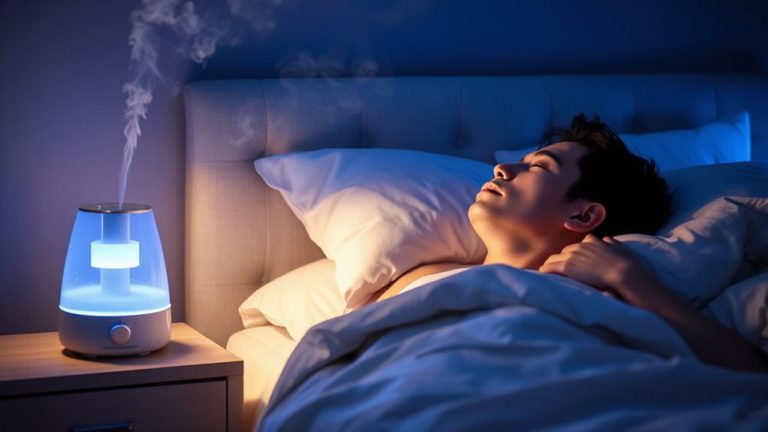
You’re more likely to feel down if you have Advanced Sleep Phase Disorder because your body clock shifts early, making you sleep and wake hours ahead of most people. This cuts you off from evening light, social time, and family routines, all of which support emotional health. Disrupted light exposure affects brain chemicals like serotonin and melatonin, raising depression risk. Using light therapy or adjusting sleep times may help reset your rhythm. Small changes could make a meaningful difference, and there’s more to explore about managing symptoms.
Notable Insights
- Advanced Sleep Phase Disorder causes early sleep and wake times that misalign with social schedules, increasing feelings of isolation and sadness.
- Reduced evening light exposure in ASPD disrupts circadian rhythms, impairing mood regulation and emotional resilience in seniors.
- Early melatonin release in ASPD shifts the internal clock forward, affecting serotonin and dopamine balance linked to depression.
- Missing morning daylight due to early waking limits natural circadian resetting, worsening mood disturbances over time.
- Social withdrawal from missing evening activities diminishes support networks, elevating depression risk in older adults with ASPD.
What Is Advanced Sleep Phase Disorder in Seniors?
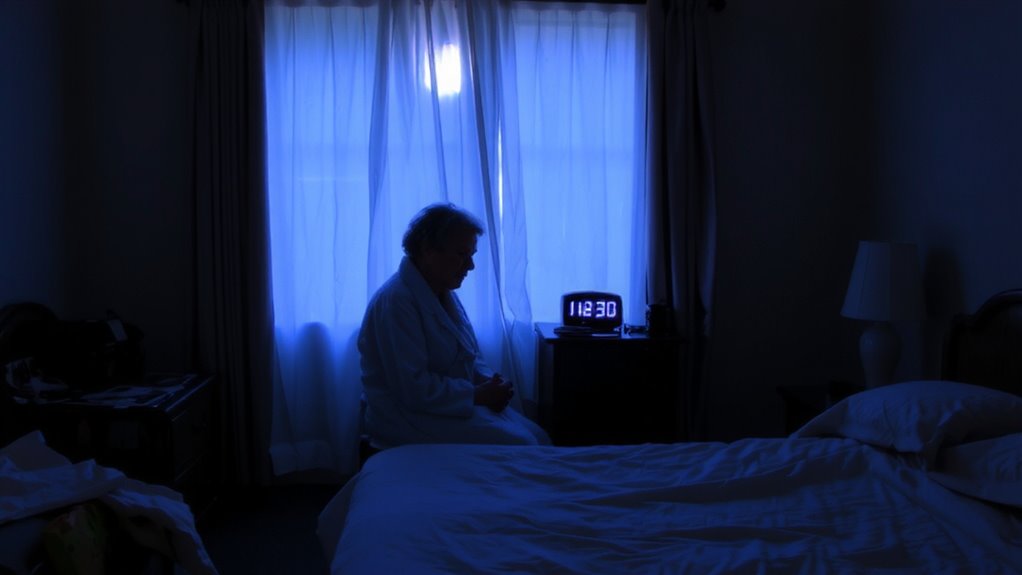
Think of Advanced Sleep Phase Disorder (ASPD) as your internal clock quietly slipping ahead, common in seniors but often overlooked. Your sleep timing shifts earlier than typical, making you feel sleepy by 7 or 8 p.m. and waking you up at 3 or 4 a.m., even if you don’t want to. This change stems from shifts in your biological rhythms, which naturally evolve with age. Though not harmful on its own, the misalignment with social or family life can be frustrating. You might notice it’s harder to stay engaged in evening activities or conversations. Recognizing this pattern helps distinguish ASPD from insomnia or other sleep disorders. Consider tracking your sleep timing for a week before discussing it with your doctor. Light therapy in the evening or careful use of melatonin may help reset your biological rhythms, but always review options with a professional to weigh benefits and risks based on your health.
How ASPD Disrupts Daily Life and Relationships
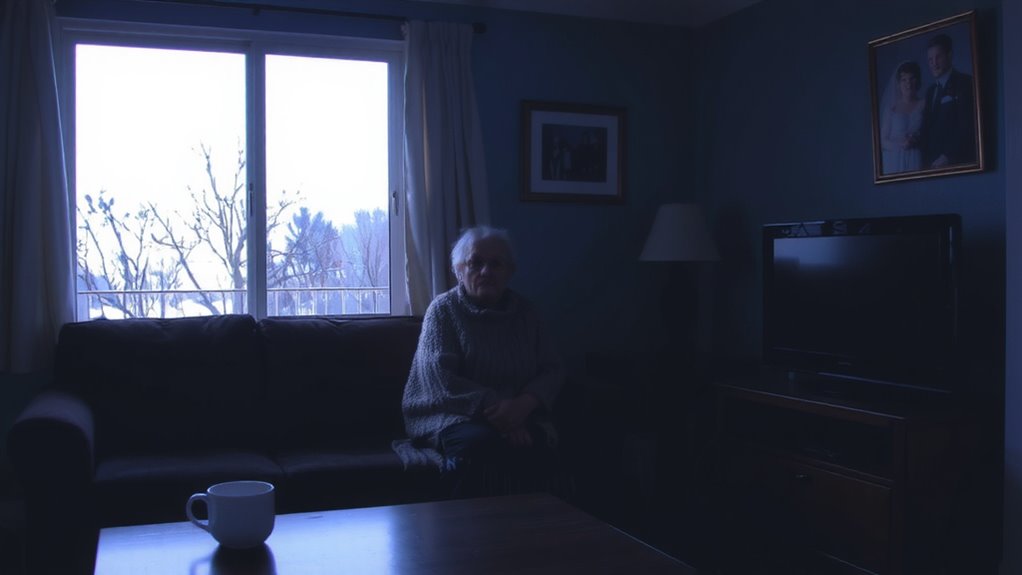
You might find that your early sleep schedule, while natural with age, starts to interfere with the rhythm of daily life and the connections you value. Family tension can arise when your bedtime clashes with loved ones’ evenings, and routine conflicts may disrupt shared meals or conversations. These small rifts, over time, strain relationships. Consider how your sleep pattern affects your availability and mood during shared hours.
| Situation | Impact | Possible Adjustment |
|---|---|---|
| Dinner at 7 PM | Too late, causes fatigue | Shift mealtime earlier |
| Evening TV time | Sleepy, less engagement | Record shows to watch earlier |
| Weekend outings | Miss evening events | Plan daytime activities |
| Partner’s schedule | Mismatched routines | Discuss compromise times |
Recognizing these patterns helps you make informed choices about sleep aids or schedule tweaks, improving harmony at home.
Why Early Sleep Leads to Social Isolation in Older Adults

Could it be that your early bedtime, while normal for many seniors, is quietly narrowing your social world? When you fall asleep by 8 p.m., you’re likely missing dinners, gatherings, and other social activities that happen later. This pattern, linked to advanced sleep phase disorder, can gradually reduce your connections. Less time awake in the evening also means less daylight exposure during peak hours, which affects your body’s internal clock. Over time, this shift may deepen the isolation. Staying engaged requires balancing natural light during the day and adjusting when you wind down. Some find light therapy in the early evening helps delay sleep onset slightly. Others explore sleep aids under medical guidance. It’s worth discussing options with a doctor-especially if you’re weighing sleep timing against staying socially active.
How Circadian Misalignment Affects Mood and Depression Risk
A steady rhythm keeps your body in sync, but when your internal clock shifts too far forward-a common issue in advanced sleep phase disorder-your sleep and wake times can fall out of step with the world. This mismatch, known as circadian misalignment, may disrupt mood regulation. You’re likely more vulnerable to neurotransmitter imbalance when daily routines don’t align with your body’s natural timing. Light exposure timing plays a key role: morning light helps reset your clock, but if you wake too early, you might miss critical outdoor light. Even indoor lighting often isn’t bright enough to correct the shift. Over time, this can reduce serotonin activity and affect emotional resilience. Adjusting light exposure, possibly using a light box at recommended times, may help re-anchor your rhythm. Consistent scheduling and timed light therapy are practical steps you can try, often with minimal side effects and clear usage guidelines.
The Link Between ASPD and Brain Chemistry in Aging
While aging naturally alters brain chemistry, having advanced sleep phase disorder (ASPD) can deepen those changes, especially in systems that regulate mood and alertness. You may experience neurotransmitter imbalance, where levels of serotonin and dopamine-key for emotional stability-become disrupted due to irregular sleep timing. This imbalance can subtly affect how you feel day to day. ASPD also brings melatonin dysregulation, causing your body to release melatonin earlier than typical evening hours, making you sleepy by 7 or 8 p.m. That early shift can misalign your internal clock further, reducing exposure to evening light and affecting brain signaling. Over time, these shifts may intensify age-related declines in neural function. Though not inevitable, these changes highlight why addressing sleep timing is important. Treatments like timed light exposure or low-dose melatonin supplements, under medical guidance, can help recalibrate your rhythm safely.
Recognizing Depression in Seniors With Sleep Phase Disorder
How do you know if what you’re feeling goes beyond just being tired? Changes in sleep patterns linked to Advanced Sleep Phase Disorder can mask shifts in your emotional well-being. You might wake too early and struggle to fall back asleep, which over time affects your mood and energy. Don’t dismiss ongoing sadness or loss of interest in activities you once enjoyed-they could signal depression, not just aging.
| Symptom | Could Mean |
|---|---|
| Waking before 5 a.m. and feeling down | Altered sleep patterns impacting emotional well-being |
| Withdrawing from family or hobbies | Early sign of depression |
| Low energy all day, despite enough sleep | Possible link between ASPD and mental health |
Tracking these signs helps you decide whether to talk to a doctor about sleep or mood support.
Science-Backed Ways to Reset Sleep and Improve Mental Health
Why does it feel so hard to stay alert in the evening, even when you’ve had enough rest? Your body’s internal clock may be shifting earlier, a common issue in advanced sleep phase disorder. To reset it, consider light therapy in the early evening-it helps delay your sleep cycle by signaling your brain to stay awake longer. Use a 10,000-lux light box for about 30 minutes daily, ideally under guidance from a sleep specialist. Melatonin supplementation, taken in the morning or early afternoon, can also shift your rhythm later. Start with low doses, like 0.5 mg, to avoid grogginess. These methods work best when combined with consistent wake times. Results vary, so give each approach a few weeks. Most devices and supplements come with usage instructions and limited warranties-check those before buying. Small, steady adjustments often lead to better sleep and improved mood.
On a final note
You might feel tired early, but pushing bedtime too soon can disrupt your rhythm and mood. Advanced sleep phase disorder may increase depression risk by misaligning your body clock. Light therapy, consistent wake times, and timed melatonin-under a doctor’s guidance-can help reset your cycle. Track changes for a few weeks, and discuss options with your provider to find safe, effective solutions that fit your lifestyle and health needs.