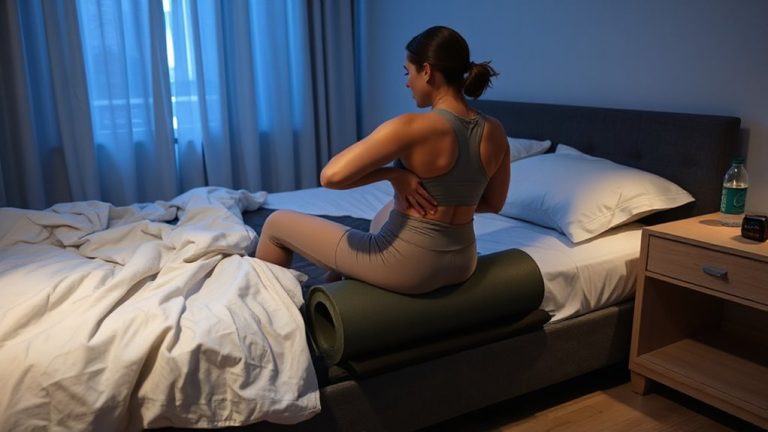
Humidifier at Night: Ease Sinus Pressure, Fix Sleep Posture
Dry air at night dries your nasal passages, worsening sinus pressure and making breathing harder. A humidifier adds moisture, loosening mucus and reducing swelling so air flows more easily. With less congestion, you’re likely to breathe steadily and snore less, which supports better sleep posture by minimizing disruptions. Cool mist ultrasonic models run quietly, often have automatic shut-off, and work all night with a full tank. Keeping humidity between 40% and 60% helps balance comfort and cleanliness. You’ll find how small adjustments can make a noticeable difference.
Notable Insights
- Moist air from humidifiers thins mucus and soothes dry nasal passages, reducing sinus pressure at night.
- Maintaining 40% to 60% humidity prevents airway irritation and supports consistent breathing during sleep.
- Easier nasal breathing reduces mouth breathing, which can improve sleep posture and decrease snoring.
- Cool mist ultrasonic humidifiers operate quietly and efficiently, providing all-night relief without disturbance.
- Reduced congestion and airway resistance promote deeper sleep and less nighttime movement, enhancing sleep posture.
How Dry Air Makes Your Sinus Pressure Worse at Night
While you’re sleeping, dry air can silently worsen sinus pressure by drying out your nasal passages and reducing the natural mucus that helps filter and humidify the air you breathe. In a dry climate, this effect intensifies, often leading to nasal irritation and discomfort that disrupts sleep. Without moisture to ease airflow, your sinuses may swell, increasing pressure and making breathing harder. You might not notice at first, but over time, the lack of humidity contributes to frequent nighttime awakenings or shallow breathing. For those prone to sinus issues, a dry bedroom environment can mimic symptoms of mild sleep disorders, even if you don’t have one. Simple changes like monitoring indoor humidity levels can make a difference. Consider how often you wake with a dry throat or stuffy nose-these clues suggest your air might be too dry. Addressing this early helps guide better decisions about sleep aids, including whether a humidifier could support your comfort and breathing. A properly fitted custom night guard can also improve sleep quality by preventing teeth grinding, which may exacerbate jaw and sinus tension.
How Moist Air Soothes Your Stuffy Nose
Dry nasal passages can turn a stuffy nose into a nightly struggle, but moist air works quietly to soften and loosen mucus, making breathing easier. When you run a humidifier, the added moisture reduces mucus viscosity, so it doesn’t cling as heavily in your nasal passages. This means less blockage and fewer dry, irritated tissues. Moist air also helps calm nasal inflammation, easing the swelling that makes congestion worse. With your airways less irritated, airflow improves naturally. You’re not just adding moisture-you’re supporting your body’s normal function. This subtle shift can make it easier to fall asleep without relying on decongestants or sprays, which sometimes cause rebound effects. Cool mist humidifiers, especially ultrasonic ones, run quietly and disperse fine vapor without raising room temperature. Most come with adjustable output and automatic shut-off after 8–12 hours. Some include filters that last 1–3 months. Models with a 1- to 2-gallon tank typically run all night. A 1-year warranty is common. For optimal relief, consider choosing one of the best humidifiers to relieve stuffy nose.
How Clearer Breathing Helps You Sleep Better
Easier breathing sets the stage for deeper, more restful sleep. When your nasal passages stay open, your body maintains steady breathing efficiency, reducing disruptions throughout the night. Clear airways improve airflow dynamics, helping oxygen move smoothly with less effort. That means fewer pauses, less snoring, and a lower chance of waking up gasping. You’re also less likely to shift positions constantly trying to find comfort. With balanced moisture in the air, your respiratory system doesn’t have to work as hard, supporting more consistent breath patterns. Better airflow means your body stays in restorative sleep longer. If you struggle with restless nights or occasional congestion, focusing on improved breathing can make a measurable difference. It’s not just about comfort-it’s about optimizing how your body performs while you sleep. Small changes in your environment can influence breathing efficiency markedly. A humidifier with a large tank capacity can maintain optimal humidity levels throughout the night without frequent refills.
Best Humidifiers for Sinus Pressure at Night
Since sinus pressure often worsens at night due to dry air irritating inflamed passageways, choosing the right humidifier can make a real difference in your comfort and sleep quality. You’ll want something quiet, effective, and easy to maintain. Ultrasonic humidifiers are popular because they use high-frequency vibrations to create a fine, cool mist without disturbing your sleep. They’re typically quieter than other types and work well in small to medium rooms. Steam vaporizers, on the other hand, boil water to release warm mist, which may soothe congestion more quickly. While they’re effective, they use more energy and pose a slight burn risk if knocked over. Both types humidify efficiently, but ultrasonic models often feature adjustable mist settings and antimicrobial components. Look for models with a 1- to 2-year warranty and dishwasher-safe parts for easier cleaning. Trying a well-reviewed brand can help you find what works best.
What Humidity Level Stops Nighttime Congestion?
How often do you wake up with a stuffy nose or scratchy throat, wondering what humidity level might actually help? You’re not alone-and the answer often lies in finding the ideal balance. Experts suggest keeping indoor humidity between 40% and 60% to ease nighttime congestion. This range supports peak comfort by preventing dry air from irritating your nasal passages, while also discouraging dust mites and mold. Too low, and your sinuses dry out; too high, and breathing can feel heavy. Many modern humidifiers include built-in hygrometers and automatic shut-off features, helping maintain this sweet spot without guesswork. A steady environment in this range supports better airflow and less snoring, which can be helpful if you have mild sleep issues. For best results, use a reliable humidifier with adjustable output and pair it with a digital hygrometer to monitor levels. It’s a small step that can make a noticeable difference in your sleep quality.
How to Use Your Humidifier Every Night for Relief
Why do some nights feel easier to breathe than others? The answer often lies in your nightly humidifier routine. For real relief, make ideal placement a priority-keep the unit about 3 feet from your bed and off the floor to evenly disperse mist. Consistent cleaning prevents mold and mineral buildup, ensuring cleaner air all night. Use distilled water to reduce residue and protect internal parts.
| Feature | Benefit | Tip |
|---|---|---|
| Cool mist | Soothes airways | Ideal for year-round use |
| Warm mist | Eases congestion | Use with caution around kids |
| Timer | Saves energy | Set for 6–8 hours |
| Tank size | Longer runtime | Choose 1–2 liters |
| Filterless | Low maintenance | Easier consistent cleaning |
Run it nightly, maintain it weekly, and let steady humidity support better breathing while you sleep.
When to See a Doctor for Chronic Sinus Issues
What if your stuffy nose or postnasal drip doesn’t go away, even with nightly humidifier use? You might be dealing with chronic inflammation that home remedies can’t fully address. If symptoms last more than 12 weeks despite care, it’s time to consult a doctor. Persistent pressure, reduced smell, or constant drainage could signal underlying issues like nasal polyps-soft, noncancerous growths that block airways. These often develop from long-term swelling and may need medical treatment. A specialist can evaluate your sinuses using imaging or a scope and recommend options, from steroid sprays to minor procedures. Don’t dismiss ongoing discomfort as just a cold. Getting a proper diagnosis helps protect long-term breathing and sleep quality. Early action can prevent complications and improve how well sleep aids, like humidifiers, work for you night after night.
On a final note
You’ll breathe easier and sleep more soundly when dry air isn’t irritating your sinuses. A humidifier adds moisture that thins mucus, reduces nighttime congestion, and supports consistent airflow. Cool mist models are often safer and quieter, while warm mist units may soothe more but require careful handling. Aim for 40–50% humidity, clean the tank daily, and choose models with filters or UV protection to limit mold. Most come with a 1–2 year warranty, so test one for a few weeks-if symptoms persist, consult a doctor.