Why Advanced Sleep Phase Disorder Can Disrupt Family Dinners and Events
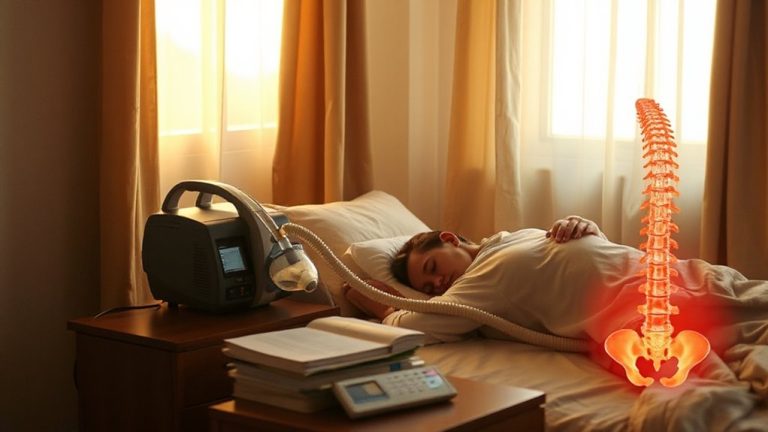
You can’t help feeling tired long before dinner ends-your body’s clock runs hours ahead due to Advanced Sleep Phase Disorder, making it hard to stay awake for family meals or evening events. This shift isn’t a choice; it’s biological, driven by genetics and circadian rhythms. Light therapy or timed melatonin might help adjust your schedule slightly. Sticking to a consistent sleep routine and seeing a specialist can improve your ability to sync with loved ones’ plans, especially over time.
Notable Insights
- People with ASPD fall asleep early, often between 6 p.m. and 9 p.m., making it hard to join typical family dinners.
- Their biologically early wake times can cause fatigue during evening events, limiting participation.
- The circadian shift is not by choice and cannot be overcome with willpower alone.
- Even if they try to stay up, natural sleepiness leads to early departures from gatherings.
- Treatments like light therapy or melatonin may help, but require medical guidance for effectiveness.
What Is Advanced Sleep Phase Disorder (ASPD)?
Picture your internal clock running ahead of everyone else’s-that’s the reality of Advanced Sleep Phase Disorder (ASPD). Your circadian rhythm shifts earlier, triggering sleep onset between 6 p.m. and 9 p.m., sometimes making evening family events hard to stay awake through. This isn’t just preference-it’s a biological shift in your sleep-wake cycle. You might feel alert in the early morning but exhausted by sunset. Because your body expects rest hours before most social gatherings end, participating fully can be challenging. Understanding this helps you plan around it. Adjusting light exposure, timing meals, or discussing options with a sleep specialist may help manage symptoms. Sleep aids aren’t always necessary, but evaluating your routine offers practical steps. Recognizing the role of circadian rhythm and early sleep onset lets you make informed choices without rushing to conclusions or treatments.
Why Your Internal Clock Runs Early
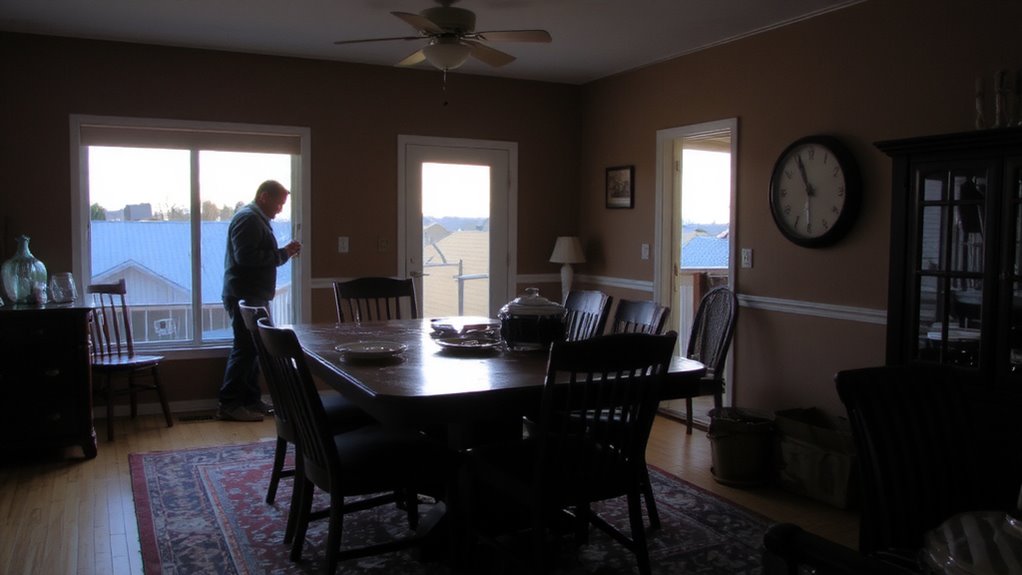
Your internal clock shifts early in Advanced Sleep Phase Disorder because of changes in how your body responds to light and time cues, and this isn’t something you can fix just by staying up later. This shift means your circadian rhythm runs on an earlier schedule, making you feel tired and wake up much sooner than most. Researchers believe a genetic predisposition plays a key role, often seen in families where multiple members fall asleep and rise early. Your circadian rhythm controls sleep-wake cycles, and when it’s advanced, it alters hormone release and body temperature rhythms accordingly. While light therapy in the evening may help delay your rhythm slightly, results vary. It’s not about willpower-it’s a biological pattern. Understanding this helps you make informed choices about treatment options, including timed light exposure or melatonin under medical guidance.
Why Early Bedtimes Conflict With Family Life
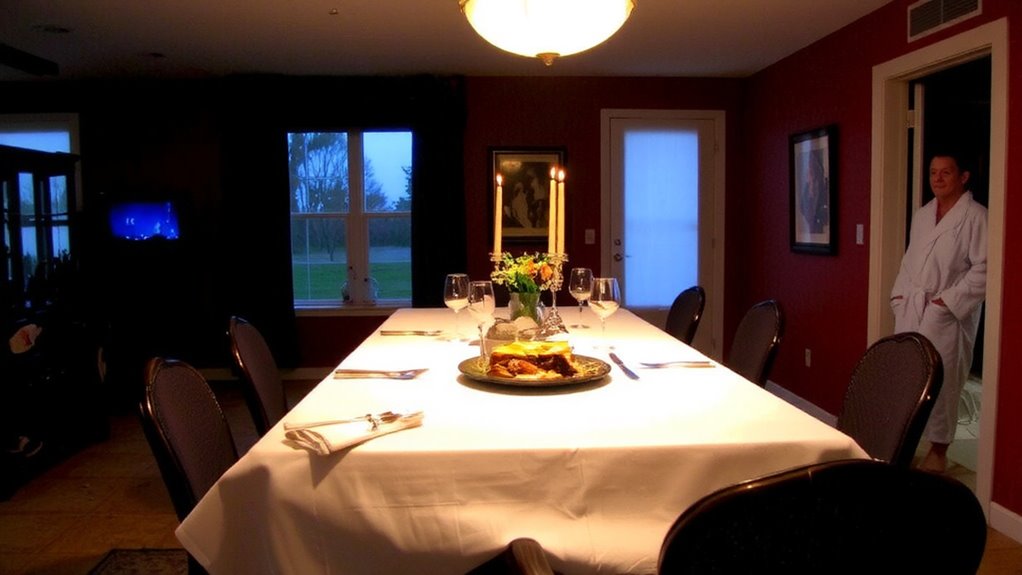
Even though you may feel sleepy early in the evening, going to bed before 8 p.m. can make it hard to take part in family dinners, weekend gatherings, or evening traditions that start later. You might rely on early dinners to stay awake, but those can clash with others’ schedules. Missing key moments often leads to missed gatherings, reducing time with loved ones. Family events like birthdays or holiday meals may feel rushed or inaccessible. While adjusting your sleep schedule slightly could help, it’s not always effective if your internal clock strongly shifts early. Some consider light therapy in the evening or melatonin under medical guidance to delay sleep onset. These options aim to align your rhythm with family life without harming sleep quality. Discussing solutions with a sleep specialist allows you to weigh benefits, trial periods, and possible side effects. Small shifts may improve participation while maintaining health.
Feeling Isolated From Social Events
How does it feel when dinner parties, game nights, or holiday get-togethers pass you by while you’re already winding down for bed? You’re not choosing to leave early-you’re pushed by biology. This regular absence can lead to social exclusion, even if unintentional. Friends may stop inviting you, not out of spite, but because your rhythm doesn’t match. Over time, that breeds emotional loneliness, a quiet ache of missing shared moments. It’s not just about sleep; it’s about connection. Recognizing Advanced Sleep Phase Disorder (ASPD) as a medical condition helps reframe the issue. Light therapy, carefully timed melatonin, and sleep scheduling under medical guidance can shift your internal clock slightly. These options vary in ease and consistency. Discuss trials, side effects, and expected changes with a sleep specialist. Small adjustments might restore balance-between rest and presence-without sacrificing your health or relationships.
How ASPD Disrupts Holidays and Weekends
A holiday evening spent yawning through dessert while family laughs over stories you can’t stay awake to hear-that’s the quiet reality of Advanced Sleep Phase Disorder (ASPD) when celebrations stretch past your body’s natural bedtime. This holiday misalignment isn’t just inconvenient-it pulls you into weekend isolation, as brunches and afternoon visits start too late, and evenings end far before yours does. You’re not lazy or antisocial; your internal clock runs on an earlier schedule, whether events agree or not. Light therapy in the early evening may help delay sleep onset temporarily, while consistent morning light exposure reinforces rhythm. Some find low-dose melatonin effective when timed hours before their current bedtime. A doctor can guide dosing and timing based on your circadian pattern. These options have varying success, so trial periods and patience are important. Always review potential interactions and warranty details if using regulated devices.
Adjusting Your Schedule for Family
When your body starts winding down by 7 p.m., fitting into a family dinner planned for 8 or 9 can feel impossible, but with small, consistent adjustments, you might shift your rhythm just enough to stay present. You can gradually delay your bedtime by 15 to 30 minutes each week, exposing yourself to bright light in the early evening to help reset your internal clock. This slight delay may let you participate in key family traditions without overwhelming fatigue. Staying up for important evening activities becomes more manageable when you plan ahead and adjust your sleep environment-like dimming lights earlier to avoid confusion in your body’s signals. Avoid caffeine late in the day, and consider discussing light therapy options with a professional. These steps support modest shifts that align better with your family’s routine while respecting your body’s needs.
When to Seek Help for ASPD Symptoms
Could your early sleep schedule be more than just a personal quirk? If your sleep patterns consistently interfere with family dinners, evening events, or daily responsibilities, it might be time to contemplate a medical evaluation. You may not realize how much Advanced Sleep Phase Disorder (ASPD) affects your quality of life until missed gatherings become routine. Symptoms like falling asleep by 7 or 8 p.m. and waking before sunrise aren’t just habits-they could signal a circadian rhythm disorder. A doctor can review your sleep history, rule out other conditions, and confirm if ASPD is the cause. Treatments might include light therapy, melatonin timing, or behavioral adjustments. Early intervention improves outcomes. Don’t wait until social isolation grows. Tracking your sleep patterns for a few weeks can help during the medical evaluation. Simple changes, guided properly, can make evenings more manageable without drastic measures.
On a final note
You might feel out of sync with family meals or evening events, and that’s okay-ASPD shifts your internal clock earlier, not by choice. Simple changes, like timed light exposure or adjusting routines, can help align your schedule. Over-the-counter aids or prescription options exist, but talk to a doctor first. A sleep study could clarify the cause. Small steps, guided by experts, make social life more manageable.