CPAP Machine Benefits: Better Sleep and Less Joint Inflammation
You use a CPAP machine to keep your airway open, preventing breathing pauses that fragment sleep and lower oxygen. This stabilization supports deeper sleep cycles and reduces oxidative stress, helping your body repair tissues and lower full-body inflammation. With steady breathing, muscle tension and joint pain often decrease over time. Modern CPAP devices offer adjustable pressure, humidifiers, and trial periods, making consistent use more comfortable. Better sleep architecture means fewer inflammatory markers-and less morning stiffness. There’s more to how this plays out over weeks of use.
Notable Insights
- CPAP stabilizes breathing during sleep, preventing interruptions that disrupt deep, restorative sleep stages.
- Uninterrupted oxygen flow from CPAP reduces oxidative stress and lowers systemic inflammation linked to sleep apnea.
- Consistent CPAP use supports tissue repair by maintaining balanced oxygen levels throughout the night.
- Reduced sleep fragmentation decreases muscle tension and joint pain caused by frequent micro-awakenings.
- Improved sleep architecture from CPAP therapy helps regulate pain signaling and reduces morning stiffness.
How CPAP Improves Deep Sleep and Reduces Inflammation
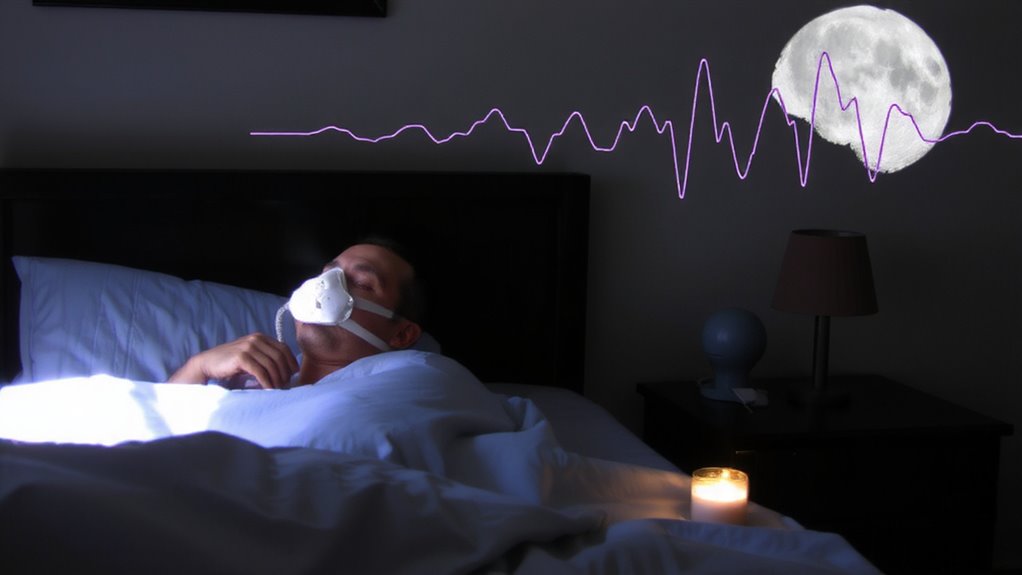
While sleep apnea can interrupt your breathing and fragment your sleep, using a CPAP machine helps maintain steady airflow, allowing you’re more likely to stay in deep sleep longer. This stable rest supports essential processes like brain function and cellular repair, both of which rely on uninterrupted sleep cycles. Without constant oxygen flow, your body struggles to regenerate tissues and clear metabolic waste, increasing stress on your system. A CPAP device delivers pressurized air through a mask, customized to your breathing pattern, helping you avoid apneas and maintain consistent sleep stages. Most machines include built-in humidifiers and adjustable pressure settings, improving comfort. Many come with a 30-night trial and a two-year warranty, so you can evaluate fit and effectiveness. Using CPAP nightly may feel challenging at first, but consistent use improves sleep quality, boosts mental clarity, and supports long-term recovery processes critical to whole-body health. Top-rated models in the best CPAP machines category offer advanced features like auto-adjusting pressure and smart tracking to enhance therapy effectiveness.
How Sleep Apnea Triggers Body-Wide Inflammation
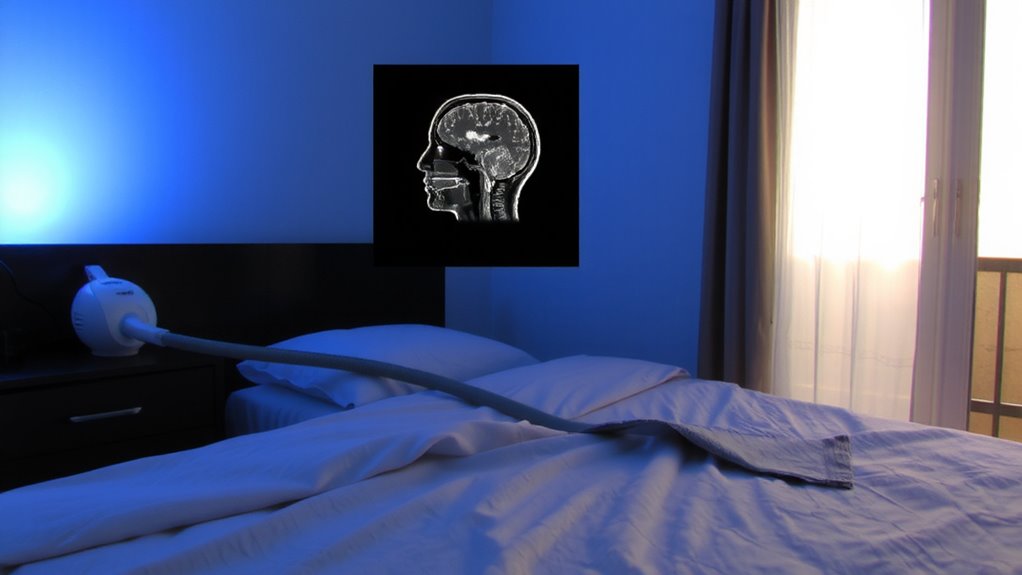
Because your body needs steady oxygen levels to function properly, repeated breathing interruptions from sleep apnea can set off a chain reaction of stress responses that lead to widespread inflammation. Each time you stop breathing, your body struggles to maintain balance, triggering oxidative stress and immune activation. These responses don’t stay in one place-they spread, affecting tissues and organs throughout your body.
| Factor | Effect on Body | Result |
|---|---|---|
| Oxygen drops | Cells under stress | Oxidative stress builds |
| Fragmented sleep | Disrupted recovery | Chronic immune activation |
| Repeated arousal | Hormone imbalance | Increased inflammation markers |
Over time, this cycle keeps your body in a heightened state, making it harder to heal and restore itself. You’re not just tired-you’re fighting invisible damage night after night. Recognizing this helps you weigh treatment options with clearer expectations and informed priorities.
Why Steady Breathing Eases Joint and Muscle Pain
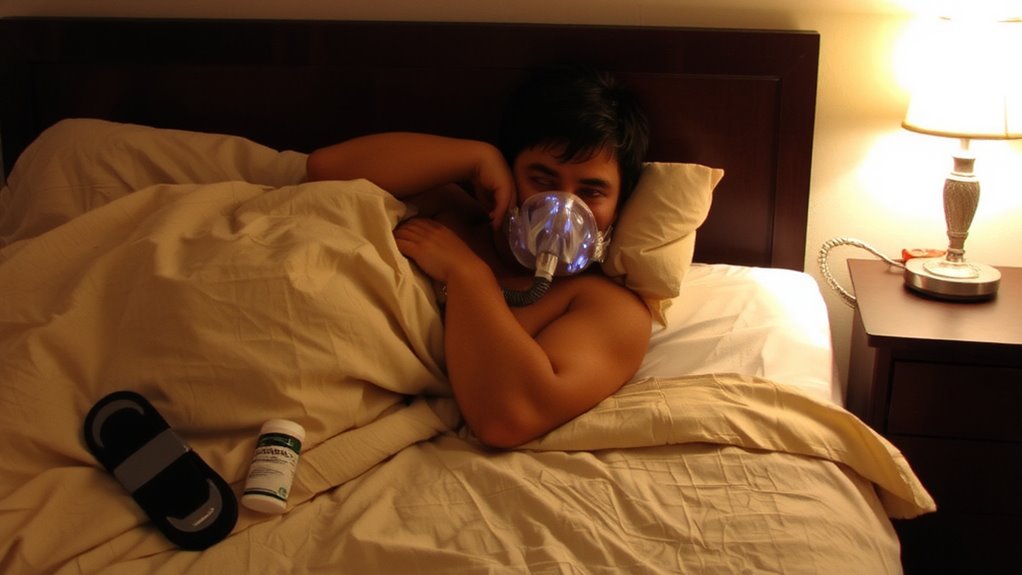
When your breathing stays steady through the night, your body gets the uninterrupted oxygen flow it needs to repair tissues and reduce stress on muscles and joints. A consistent breathing rhythm helps maintain oxygen balance, which supports cellular recovery and lowers inflammation. Without pauses or shallow breaths, your muscles don’t tense up as much, and joint strain often decreases. This stable pattern reduces nighttime micro-awakenings, so your sleep stays deeper and more restorative. Better oxygen balance means less acid buildup in sore areas, easing aches linked to poor sleep. You’re likely to wake with less stiffness when your breathing rhythm stays smooth. Over time, this can play a role in managing chronic discomfort, though it’s not a direct treatment. Steady airflow from reliable devices can help maintain these conditions, and many come with trial periods to test comfort.
How CPAP Helps With Arthritis and MSK Symptoms
Could better sleep actually ease your joint pain and muscle stiffness? If you’re dealing with arthritis or musculoskeletal symptoms, using a CPAP machine might help. Interrupted breathing at night can worsen joint stiffness and fatigue, making arthritis management harder. CPAP keeps your airway open, delivering steady oxygen that supports restorative sleep. When you sleep deeply and continuously, your body has a better chance to repair tissues and regulate pain signals. Many users report less morning joint stiffness and improved mobility after consistent use. While CPAP isn’t a direct treatment for arthritis, its role in stabilizing sleep patterns can reduce symptom severity. Machines today are lightweight, come with adjustable settings, and often include trial periods and warranties, letting you test comfort and performance. For those with sleep apnea and MSK issues, CPAP could be a practical step toward better-rested, more manageable days. A range of best CPAP machines are available to suit different needs and budgets.
How Regular Use Lowers Full-Body Inflammation
You’ve probably noticed that better sleep leads to less joint stiffness and improved energy, especially if you’re managing arthritis or other musculoskeletal issues. That’s because regular CPAP use supports cellular repair by stabilizing your sleep cycles, giving your body consistent time to heal overnight. When your breathing stays steady, oxygen levels remain balanced, which reduces oxidative stress linked to chronic inflammation. Over time, this means lower levels of inflammatory markers throughout your body. Think of your CPAP as a tool that doesn’t just improve breathing-it helps your entire system function with less strain. Consistent nightly use, even when you feel fine, maintains these benefits. Most machines today track usage and comfort, and many come with trial periods or warranties, so you can adjust settings or masks as needed. It’s not a quick fix, but a steady step toward long-term wellness.
On a final note
You’ll sleep deeper and wake with less joint pain when your breathing stays steady through the night. CPAP machines reduce pauses in breathing, which lowers body-wide inflammation over time. Regular use can ease arthritis and other musculoskeletal symptoms linked to poor sleep. Most devices are simple to adjust, come with trial periods, and include warranties. If sleep apnea’s suspected, a sleep study helps confirm it-then treatment supports long-term recovery and better daily function.