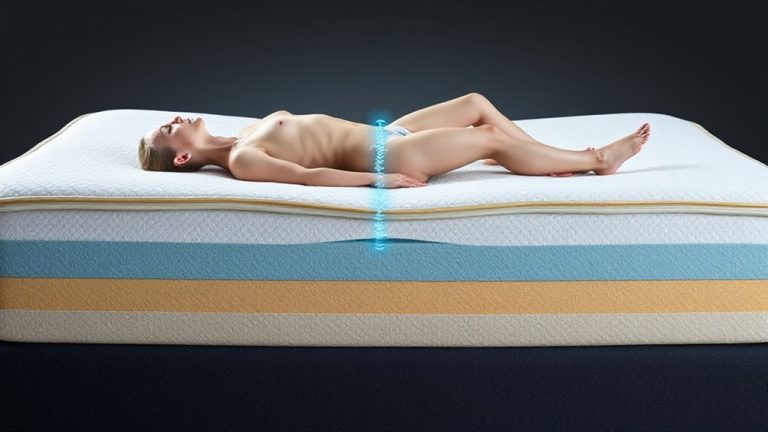
Why Advanced Sleep Phase Disorder Can Cause Sleep-Related Anxiety
Your body’s clock runs fast with Advanced Sleep Phase Disorder, making you sleepy by early evening and waking you at 2 or 3 a.m. This mismatch with normal schedules leaves you alone in the dark, fueling anxiety as cortisol rises and thoughts spiral. Early sleep isn’t the issue-early wakefulness in silence is. Light therapy, consistent timing, and melatonin can help realign your rhythm. Exploring these options shows how small adjustments may improve both sleep and well-being over time.
Notable Insights
- Advanced Sleep Phase Disorder shifts sleep earlier, often leading to awakening in the middle of the night and prolonged wakefulness before dawn.
- Waking at 2 or 3 a.m. creates a misalignment between internal timing and external environment, increasing vulnerability to anxiety.
- The body’s early rise in cortisol upon premature awakening can heighten alertness and trigger anxiety in the dark, quiet hours.
- Extended time awake in darkness amplifies rumination and intrusive thoughts, reinforcing sleep-related anxiety over time.
- Social isolation due to out-of-sync sleep patterns can deepen emotional distress and contribute to chronic anxiety around sleep.
What Is Advanced Sleep Phase Disorder?
Advanced Sleep Phase Disorder, or ASPD, is a circadian rhythm condition that shifts your sleep schedule earlier than typical, so you feel sleepy in the late afternoon or early evening-sometimes as early as 6 or 7 p.m.-and wake up well before sunrise, often around 2 or 3 a.m. This shift isn’t just habit-it’s tied to your body’s internal clock, or circadian rhythm, which regulates sleep and wakefulness. You may have a genetic predisposition, especially if a family member experiences similar patterns. While some adapt easily, others find social or work commitments difficult to manage. Recognizing ASPD early helps you make informed choices about light therapy, melatonin, or sleep scheduling. Treatments aim to realign your rhythm without disrupting daily life. Always consult a sleep specialist before starting interventions. Knowing your body’s natural tendencies supports better decisions about sleep aids or behavioral strategies.
Why People With ASPD Wake up Too Early
Even though you might fall asleep early, your body’s internal clock keeps running on a shortened cycle, which is why you tend to wake up too early-often before sunrise and sometimes as early as 2 a.m. This shift happens because your circadian rhythm runs faster than the standard 24-hour day, causing sleep and wake times to drift earlier. Research shows a strong genetic predisposition, meaning it often runs in families due to specific gene variants affecting your body’s clock. Your circadian rhythm isn’t just about sleep; it influences hormones, metabolism, and body temperature, all tied to timing. While light therapy in the evening may help delay your rhythm slightly, results vary. Some find mild benefit using low-dose melatonin under medical guidance. Understanding your body’s natural tendencies helps you make informed choices about managing sleep timing, without relying on temporary fixes.
How Early Sleep Can Trigger Anxiety
Why do you feel on edge when you’re wide awake at 3 a.m., long before your day should start? Your early sleep timing shifts your rest hours out of sync with the world, creating a circadian mismatch. This misalignment means your body expects sleep when your mind is alert, sparking unease. When you fall asleep by 7 p.m., you’re likely up by 2 or 3 a.m., leaving hours of wakefulness in near-darkness. That unusual stretch can fuel anxiety, especially if you’re not prepared. Managing this starts with understanding your pattern-tracking sleep timing helps spot it. Light therapy in the evening or timed melatonin might adjust your rhythm, but consult a doctor first. Options vary in how they correct circadian mismatch. Some need daily use, others offer temporary support. Trial periods and provider guidance help find what works, with safety and long-term results in mind.
Why Waking at 3 A.M. Increases Anxiety
What happens when you’re awake in the dark hours before dawn, staring at the ceiling while the world sleeps? You’re not just fighting insomnia-you’re caught in a circadian mismatch. Your body thinks it’s morning, but it’s only 3 a.m., triggering midnight panic. This early wakefulness is common in Advanced Sleep Phase Disorder, where your internal clock shifts forward. When you wake too early, your brain may interpret it as a threat, increasing cortisol and anxiety. You lie there, alert yet exhausted, caught between sleep and full wakefulness. The silence and darkness amplify worries, making thoughts feel sharper. This repeated pattern reinforces sleep-related anxiety. Recognizing it as a symptom-not a personal failure-helps you seek proper evaluation. Treatments exist that address timing, not just symptoms. Understanding your circadian mismatch is the first step toward better sleep decisions.
How to Manage ASPD and Reduce Sleep Anxiety
If you’re waking hours before sunrise and can’t fall back asleep, adjusting your circadian rhythm may be more effective than just trying to sleep longer. Light therapy in the evening can help delay your sleep phase, gradually shifting your schedule later. Aim for consistent bed and wake times, even on weekends, to reinforce your body’s clock. Good sleep hygiene-like avoiding screens before bed and keeping your bedroom cool and dark-supports this shift. Incorporating relaxation techniques such as deep breathing or progressive muscle relaxation can ease anxiety about early awakenings, making it easier to stay calm if you do wake up. Some find melatonin supplements helpful, but a doctor should guide dosage and timing. These strategies work best when combined and maintained over time, offering a balanced, practical approach to managing ASPD and reducing sleep-related anxiety.
On a final note
You might feel anxious when your body wakes too early and won’t go back to sleep. That’s common with advanced sleep phase disorder. Adjusting your light exposure, especially in the evening, helps shift your rhythm. Consider a dim light alarm or consulting a doctor about timed melatonin. Some find mild sleep aids useful short-term, but check for interactions. Track your sleep patterns for a few weeks before deciding on changes, and review options with a specialist.