Leveraging White Noise Machines to Extend NREM Sleep Phases Crucial for Myofascial Healing
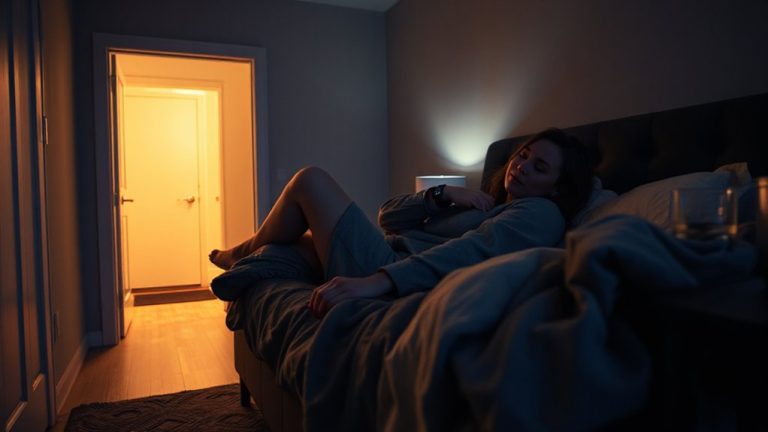
You’ll stay in deep NREM sleep longer when white noise masks disruptive sounds like traffic or creaking floors, letting your body focus on myofascial healing. Steady sound prevents brain arousals that fragment sleep, while a quality machine with consistent output, adjustable volume, and a timer supports uninterrupted cycles. Pair it with cool temps, a set bedtime, and screen-free wind-down time. You get better results when the sound blends into the background without sudden changes. There’s more to explore about optimizing your recovery setup.
Notable Insights
- Deep NREM sleep drives myofascial healing through tissue repair and growth hormone release.
- White noise prolongs deep sleep by masking disruptive sounds that trigger micro-arousals.
- Consistent white noise supports brainwave entrainment into restorative NREM sleep stages.
- Use adjustable, clinical-grade white noise machines for steady, non-disruptive sound coverage.
- Pair white noise with cool temperatures, screen avoidance, and a fixed bedtime for optimal recovery.
Why Deep Sleep Heals Myofascial Pain
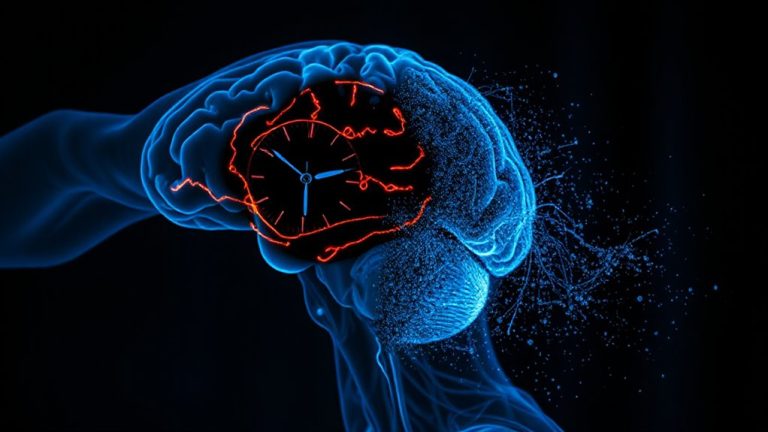
While your body repairs itself most effectively during deep sleep, getting enough of this restorative stage can make a real difference in managing myofascial pain. Your sleep architecture determines how much time you spend in deep NREM sleep, the phase most tied to tissue regeneration. During this stage, blood flow increases to muscles, delivering oxygen and nutrients that support healing. Growth hormone release peaks here, aiding in repair of strained or irritated fascia. Disrupted sleep patterns reduce time in this phase, slowing recovery. Maintaining consistent, high-quality sleep cycles helps stabilize your sleep architecture. You don’t need medication-small changes like improving sleep hygiene or using supportive tools can help. Consider devices designed to support uninterrupted sleep, many offering trial periods or warranties. Prioritizing deep sleep isn’t a cure, but it’s a practical step that supports your body’s natural repair processes. Sound machines marketed for tinnitus relief often produce masking noises that can improve sleep continuity by reducing auditory distractions.
How White Noise Keeps You in Deep Sleep Longer
Because your brain stays sensitive to sound changes during sleep, sudden noises like a creaking floorboard or a car passing by can pull you out of deep NREM sleep without fully waking you. White noise helps through sound masking, creating a steady audio backdrop that minimizes disruptions. This stable environment supports brainwave entrainment, gently guiding your brain to stay in restorative phases longer. You don’t need complex gear-many machines offer consistent output with simple controls. Use one with a timer and adjustable volume to match your bedroom setup. Consider models with a fan-free digital design if you want quiet operation and portability. A top-rated sound machine for therapy offices can provide the same clinical-grade acoustic consistency useful for sleep environments. Here’s how key features align:
| Feature | Benefit |
|---|---|
| Sound masking | Blocks sudden environmental noise |
| Steady frequency | Aids brainwave entrainment |
| Adjustable volume | Customizable for personal comfort |
| Timer function | Prevents overnight overuse |
| Compact design | Easy to move and place |
Try units with a 30-night trial to test effectiveness.
Why Steady Sound Helps You Stay Asleep
You already know white noise can shield your sleep from sudden sounds, but what really makes it effective is the consistency of the audio field it creates. That steady background reduces abrupt changes your brain might detect, helping you stay asleep. Sound consistency means your environment feels predictably calm, so your mind doesn’t shift into alertness over small noises. This stable auditory input supports brain entrainment, a process where your brainwaves begin to align with the rhythm of the sound, encouraging deeper, more stable sleep cycles. Unlike music or speech, white noise lacks patterns that could stimulate thought. Instead, it fills the room evenly, minimizing contrasts that disturb rest. Machines designed for this deliver uniform output without looping or volume dips. Many include timers and adjustable frequencies, letting you test what works. Most come with trial periods, so you can assess improvements in how sound consistency affects your nightly recovery. For those dealing with snoring disruptions, choosing the right device can make a significant difference-consider exploring the best noise machines for snoring relief to find a model optimized for consistent, high-quality sound masking.
Choose a White Noise Machine for Deeper Sleep
Something out there fits your sleep needs perfectly-a white noise machine that matches your environment, preferences, and healing goals. Look for a device with precise sound design, producing consistent, non-repetitive noise that won’t trigger arousal during light sleep. Machines offering multiple sound profiles-like white, pink, or brown noise-let you tailor output to your room and sensitivity. Built-in speakers should deliver even sound distribution, without distortion at low volumes. Don’t overlook machine placement; position it slightly off-axis from your head, ideally 3–6 feet away, to avoid auditory pressure while maintaining coverage. Units with timer settings or nightlight features add convenience, but focus first on audio consistency. Choose models with warranties or free trials-this lets you test effectiveness without risk. A well-chosen device supports uninterrupted NREM phases, aiding myofascial recovery night after night.
Use White Noise at the Right Volume and Timing
Often, the best results come from setting your white noise machine at a moderate volume-just loud enough to mask background sounds without overpowering your room. Keeping the sound intensity too high can interfere with sleep onset, making it harder to relax. You’ll want the volume low enough that it blends smoothly with your environment, supporting a calm shift into rest. For ideal timing, start the machine just before bed, allowing consistent sound to signal your body that it’s time to wind down. Avoid abrupt changes or automatic shutoffs during the night, as these can disrupt NREM phases. Most quality models let you adjust output and set timers, so you can test levels over a few nights. Check warranty terms and trial periods when buying-many brands offer 30-day returns-so you can verify the machine works well in your own space.
Combine White Noise With Proven Recovery Habits
How can you get the most out of your white noise machine when it comes to muscle recovery and sleep quality? Pair sound therapy with consistent recovery habits to boost NREM sleep, where myofascial healing peaks. Good sleep hygiene isn’t just about noise-it’s about routine. Combine your white noise machine with proven behaviors to build a restorative nightly pattern.
| Habit | Benefit | Tips |
|---|---|---|
| Cool room (65–68°F) | Supports deep sleep cycles | Use breathable bedding |
| Screen shutdown (30 min before bed) | Reduces blue light disruption | Read or stretch instead |
| Fixed bedtime | Improves sleep hygiene | Use white noise as a sleep cue |
Consistency enhances sound therapy. Many machines offer timers, multiple sound options, and trial periods-test models to find one that fits your routine.
On a final note
You can improve myofascial recovery by extending deep NREM sleep with a white noise machine. Steady sound masks disruptions, helping you stay asleep longer. Choose one with adjustable volume and a timer, and run it at a low, consistent level throughout the night. Pair it with good sleep habits like a set bedtime and dark room. Most models offer warranties, so try one risk-free to see if it supports your rest and recovery goals.