Using Strategic Napping to Improve Alertness in Shift Work Sleep Disorder
You can manage shift work sleep disorder with well-timed naps to boost alertness. Nap 20 minutes before a night shift or during breaks to avoid deep sleep and grogginess. Match nap timing to your schedule-early afternoon for evening shifts, late afternoon for early mornings. Use a quiet, dark space with a sleep mask and earplugs. Pair naps with bright light and caffeine for better focus. You’ll find even small adjustments make a noticeable difference in energy and performance.
Notable Insights
- Time naps strategically before or during shifts to align with circadian rhythm disruptions in shift work sleep disorder.
- Limit naps to 20 minutes to avoid deep sleep and reduce sleep inertia upon waking.
- Take a pre-shift nap of 20–30 minutes to boost alertness, especially when sleep-deprived before night work.
- Use a quiet, dark, and comfortable environment with sleep aids like masks and earplugs for effective napping.
- Combine napping with bright light exposure and timed caffeine to enhance alertness during night or rotating shifts.
What Is Shift Work Sleep Disorder and How Naps Help?

While you might think you’re just dealing with regular tiredness, shift work sleep disorder (SWSD) is a real condition that affects your body’s natural sleep-wake cycle, especially if you work nights, early mornings, or rotating shifts. Your circadian rhythm, which controls when you feel alert or sleepy, gets thrown off because your schedule conflicts with daylight cues. This disruption also lowers melatonin production at night, making rest harder even when you have time. You may struggle to sleep during the day or stay alert on the job. Short, strategic naps can help by boosting alertness and cognitive performance without leaving you groggy. Naps work best when timed carefully, though. They’re not a cure, but they can ease symptoms by aligning sleep needs with your body’s altered rhythms. Tracking how you feel after napping helps you decide what works best for your schedule and health.
Time Your Naps to Match Your Shift Schedule
You can manage shift work sleep disorder more effectively by aligning your naps with your work hours. Proper nap timing and shift alignment help regulate your body’s internal clock, making it easier to stay alert during work and sleep afterward. Planning naps based on your schedule improves consistency and supports long-term adjustment.
| Shift Type | Best Nap Time | Purpose |
|---|---|---|
| Night Shift | Before starting | Boost alertness |
| Early Morning | Late afternoon | Offset sleep gap |
| Rotating | After shift ends | Stabilize recovery |
| Evening | Mid-afternoon | Prevent evening fatigue |
This kind of planning enhances performance and recovery. You’ll likely notice better focus and mood when naps match your shift pattern. Thoughtful nap timing isn’t a fix-all, but combined with good sleep hygiene, it supports healthier rest. Try different windows and track results to find what works best for your routine.
Keep Naps Short: Why 20 Minutes Beats an Hour
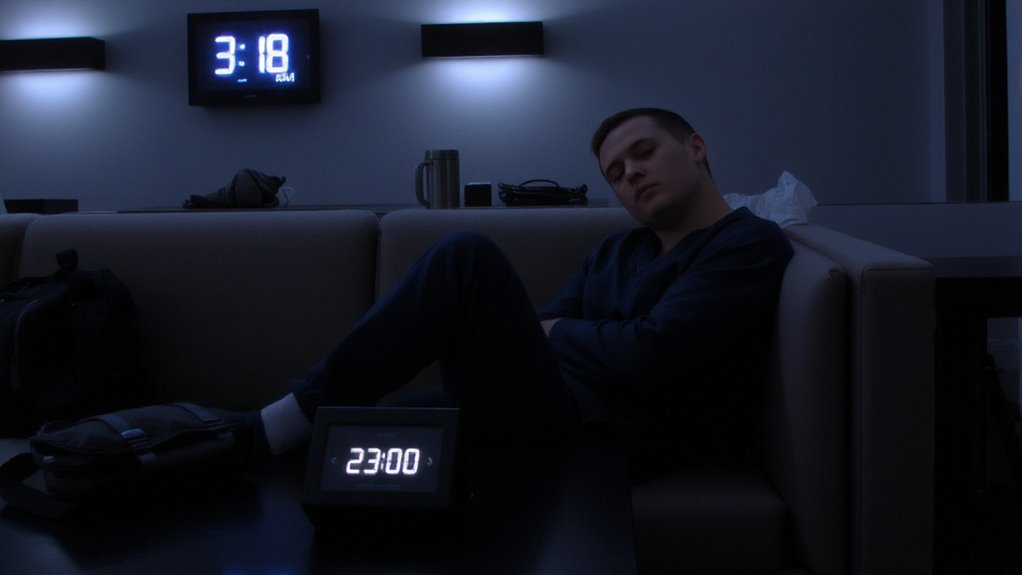
A 20-minute nap can do more for your alertness than a full hour. When you nap for just 20 minutes, you typically stay in light sleep, avoiding deep sleep stages that are harder to wake from. This short rest boosts alertness without leaving you groggy. Sleep longer, and you risk entering deep sleep. Waking during or after that stage often brings sleep inertia - that heavy, disoriented feeling that impairs focus. For shift workers, sleep inertia can worsen brain fog, making tasks harder right when you need clarity. A brief nap reduces fatigue quickly, supports memory, and improves reaction time. Your body resets just enough without the crash. Set an alarm, find a quiet spot, and commit to the time limit. It’s not about full rest - it’s about staying sharp. With practice, this habit fits easily into tight schedules and keeps mental edges clear, especially when managing sleep disorders.
Nap Strategically Before or During Night Shifts
Timing matters just as much as duration when it comes to napping for night shifts. If you’re preparing for a night shift, a short nap before work can boost alertness, especially if you’re slightly sleep-deprived. Aim for a nap duration of 20 to 30 minutes-long enough to refresh, but short enough to avoid grogginess. Napping during a break is also effective, particularly in the middle of the shift when fatigue peaks. Check your workplace policies to see if rest breaks are allowed and how they’re scheduled. Some jobs support napping as a way to improve performance and safety. Planning your nap timing around your shift and job requirements increases its benefits. When done right, strategic napping can ease symptoms of shift work sleep disorder by supporting alertness without replacing nighttime sleep.
Create a Sleep-Friendly Nap Environment at Work
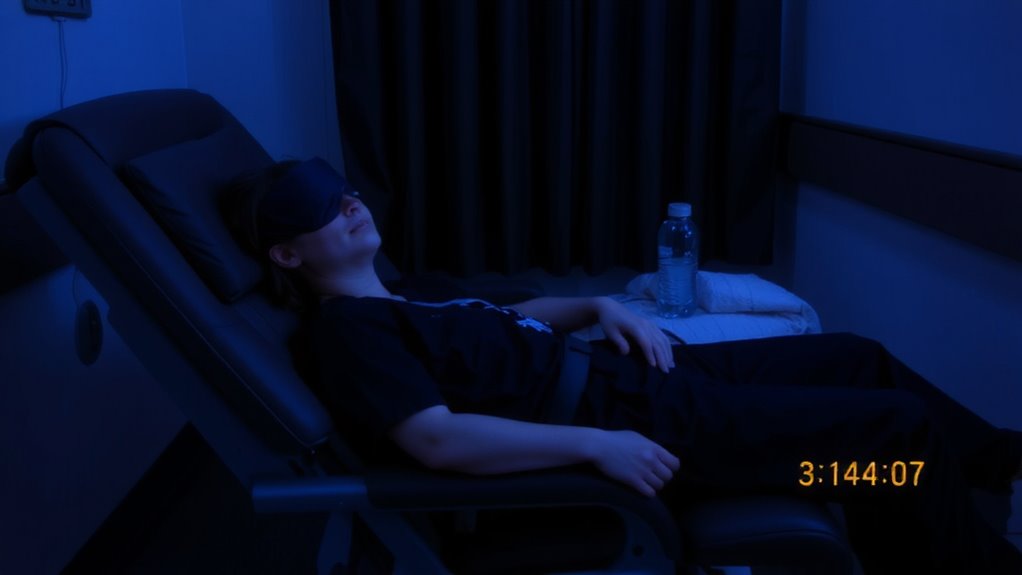
Creating a restful space for napping at work can make a noticeable difference in how well you recharge during a shift. Noise control is essential-use earplugs, white noise machines, or noise-canceling headphones to block distractions. Find a spot away from foot traffic or bright lights, and consider using a sleep mask to eliminate visual interference. For comfort optimization, choose a reclining chair or cot that supports your body without causing stiffness. If your workplace allows, bring a light blanket or travel pillow to enhance relaxation. Make sure the area stays at a comfortable temperature, as overheating or chilling can disrupt your nap. Test different setups during short breaks to find what works best. A well-designed nap space improves sleep quality, helping you stay alert without replacing your main sleep window. For optimal noise blocking, consider using best ear plugs for noise reduction that are highly rated for comfort and sound attenuation.
Avoid Napping Too Close to Your Main Sleep Window
Shifting your nap too close to your main sleep window can disrupt your body’s natural rhythm and make it harder to fall or stay asleep later. Proper nap timing is key-ideally, you should nap at least 3 to 4 hours before your primary sleep period. This helps prevent interference with nighttime sleep while still offering alertness benefits. Napping too late can also increase sleep inertia, that groggy feeling after waking that makes it hard to focus. Sleep inertia usually fades within 15 to 30 minutes but can last longer if you nap deeply or too close to bedtime. To minimize these effects, keep naps shorter-20 to 30 minutes-and time them earlier in your shift if possible. Good nap timing supports better recovery and sustained performance without compromising your main sleep.
Combine Napping With Bright Light and Caffeine for Maximum Alertness
When paired with strategic napping, exposure to bright light and a well-timed caffeine intake can substantially boost alertness during night shifts without undermining your main sleep. Light exposure right after your nap helps reset your internal clock, making you feel more awake. Combine this with proper caffeine timing-ideally 15–30 minutes before your shift dips-for the best results. Avoid caffeine too close to your off-duty sleep period to prevent delays in falling asleep.
| Strategy | Benefit |
|---|---|
| Bright light exposure | Enhances post-nap alertness and circadian alignment |
| Caffeine timing | Boosts wakefulness without disrupting recovery sleep |
| Short naps (20–30 min) | Minimize grogginess and preserve nighttime sleep |
| Post-nap routine | Reinforces wakefulness through light and activity |
On a final note
You can use short, well-timed naps to manage alertness if you have shift work sleep disorder. A 20-minute nap before or during your night shift helps without causing grogginess. Pair it with bright light and caffeine for better results. Avoid napping close to your main sleep time so you don’t disrupt rest. Create a quiet, dark space at work for effective napping. Try different times to see what works best for your schedule and body.