The Connection Between Sleep Disorders and Fibromyalgia: Mechanisms and Management
Poor sleep worsens fibromyalgia by amplifying pain and fatigue through disrupted deep sleep and heightened nerve sensitivity. Conditions like insomnia or sleep apnea often co-occur, fueled by stress and neuroinflammation that impair rest and recovery. You can improve sleep with consistent bedtimes, dark, cool rooms, and proven strategies like CBT-I, which works well with lifestyle changes. Combining sleep support with pain management offers better results than treating either alone-there’s more to learn about breaking the cycle for lasting relief.
Notable Insights
- Fibromyalgia-related chronic pain and poor sleep form a cycle that disrupts restorative deep sleep and worsens symptom severity.
- Disrupted circadian rhythms and sleep disorders like insomnia and sleep apnea commonly exacerbate fibromyalgia symptoms.
- Sleep fragmentation impairs tissue repair and increases pain sensitivity due to loss of deep sleep phases.
- Cognitive behavioral therapy for insomnia (CBT-I) combined with sleep hygiene improves both sleep and pain outcomes.
- Managing stress, using low-dose antidepressants, and supplements like magnesium can support better sleep and reduce fibromyalgia flares.
Fibromyalgia and Sleep: The Vicious Cycle

While fibromyalgia can make sleep feel like a moving target, understanding the connection between your symptoms and rest may help you make smarter choices about treatment. You often experience chronic fatigue not just from pain, but from sleep that’s light, unrestorative, or poorly timed. A disrupted circadian rhythm can worsen this cycle, making it harder to fall or stay asleep at consistent times. Your body may miss key recovery windows, leaving you drained despite hours in bed. Sleep disorders like insomnia or sleep apnea are common and worth evaluating. Monitoring your patterns helps determine whether behavioral changes, sleep aids, or medical devices might help. Some find relief with consistent bedtimes, dark, cool rooms, or melatonin under guidance. Others benefit from cognitive behavioral therapy for insomnia (CBT-I), which has strong support in fibromyalgia cases. Trial periods and doctor input can clarify what’s effective, safe, and sustainable for you. A supportive mattress can also make a difference, with best mattresses for fibromyalgia offering pressure relief and improved spinal alignment to reduce nighttime discomfort.
How Poor Sleep Makes Fibromyalgia Pain Worse
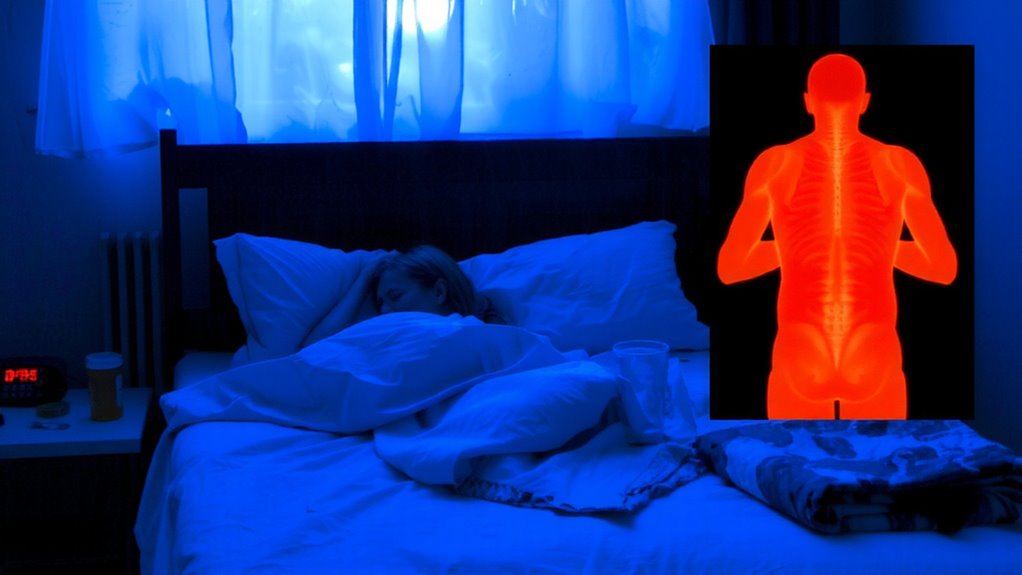
When you don’t get enough quality sleep, your body’s ability to regulate pain weakens, making fibromyalgia symptoms feel more intense the next day. Sleep fragmentation-frequent awakenings or light, unrestful stages-disrupts deep sleep, where tissue repair and pain modulation occur. Without enough of this restorative phase, your pain sensitivity increases. Your nervous system becomes hyperresponsive, turning minor discomforts into sharper, longer-lasting pain. This means even normal pressure or movement might hurt more than usual. Over time, poor sleep patterns train your brain to amplify pain signals, worsening daily function. Improving sleep continuity can help lower this heightened sensitivity. Consider tracking your sleep patterns to identify disruptions. Some find relief with sleep aids that reduce fragmentation, though it’s best to discuss options with a provider. Consistent bedtimes, reduced screen use, and comfortable bedding are practical starting points.
Why Fibromyalgia and Sleep Disorders Share the Same Triggers?
Poor sleep doesn’t just worsen fibromyalgia pain-it might share deeper roots with the condition itself. You’re likely facing the same underlying triggers that fuel both issues. Chronic stress, for example, ramps up your stress response, disrupting sleep and increasing pain sensitivity. This heightened state feeds into neuroinflammation pathways, which are linked to both fibromyalgia flare-ups and sleep disturbances like insomnia or non-restorative sleep. When these pathways stay active, your body struggles to repair itself at night. You might notice that during stressful periods, your sleep gets lighter and more fragmented, while pain spreads more widely. These aren’t separate problems-they’re overlapping reactions to the same internal signals. Recognizing this overlap helps you make smarter choices about managing triggers, whether through lifestyle changes or discussing targeted support with your provider.
What Actually Works to Improve Sleep With Fibromyalgia?
Since getting restful sleep can feel out of reach with fibromyalgia, it helps to focus on strategies that target both sleep quality and pain control at the same time. Good sleep hygiene is a proven starting point-keeping a consistent bedtime, reducing screen time before bed, and creating a cool, dark sleeping environment often lead to gradual improvements. Cognitive behavioral therapy for insomnia (CBT-I) has strong evidence behind it, helping you reframe negative sleep thoughts and change unhelpful routines. Many find combining CBT-I with sleep hygiene gives better results than either alone. These methods don’t work overnight, but most notice changes within a few weeks. Unlike sleep aids, they carry no side effects and build long-term resilience. CBT-I is available in-person or through trusted online programs, some covered by insurance. Trying one of these supported, non-drug approaches gives you control and a clearer path to better rest.
Treat Pain and Sleep Together for Real Relief
Though pain and sleep issues often go in hand with fibromyalgia, tackling both at once tends to bring more lasting relief than treating either alone. You’ll likely find better results when treatments support the mind body connection, like cognitive behavioral therapy or gentle movement practices. These approaches aid stress reduction, which can worsen both pain and sleep disruption if left unchecked. Combining medications, such as low-dose antidepressants, with non-drug strategies often improves outcomes. Always discuss risks and benefits with your doctor, especially when considering sleep aids, since some may lose effectiveness over time or cause side effects. Look for options with clear trial periods or flexible adjustments. Addressing pain and sleep together doesn’t just ease symptoms-it may help break the cycle that keeps them going. Small, consistent steps lead to more sustainable improvement. Incorporating a high-quality magnesium supplement may also support muscle relaxation and improve sleep quality.
On a final note
You can break the cycle linking fibromyalgia and poor sleep by addressing both together. Treating pain often improves sleep quality, and better sleep can reduce pain sensitivity. Cognitive behavioral therapy, sleep hygiene changes, and some medications may help, but results vary. Always consult your doctor before trying sleep aids. Many have side effects or interact with other treatments. Look for products with clear labeling, trial periods, or return policies if buying over-the-counter. Consistency and monitoring work best.