The Role of Sleep Cycle Depth in Reducing Anxiety the Next Day
Your deep sleep phases repair your nervous system and reset brain chemistry, helping you stay calmer under stress the next day. Slow-wave and REM sleep reduce amygdala reactivity, balance emotions, and process daily challenges. Without enough depth, you may feel more anxious or foggy. Cool, dark rooms and consistent bedtimes improve cycle quality. Small daily choices, like skipping late caffeine, add up. There’s more to how this works beneath the surface.
Notable Insights
- Deep sleep reduces stress hormones and rebalances brain chemistry, lowering next-day anxiety.
- Slow-wave sleep calms amygdala reactivity, enhancing emotional regulation and resilience.
- REM sleep integrates emotional experiences, helping process and reduce anxiety triggers.
- Inadequate deep sleep leads to mood impairments and increased mental fog the following day.
- Consistent sleep schedules and optimal sleep environments promote deep sleep and reduce anxiety.
How Deep Sleep Calms Anxiety
While your body moves into deep sleep, it’s actually repairing not just your muscles but your nervous system, which plays a key role in lowering anxiety over time. During this stage, your brain chemistry begins to rebalance, reducing stress hormones and supporting emotional resilience. You wake up better equipped to handle daily challenges calmly. If you struggle with falling or staying asleep, consider tracking your sleep patterns or consulting a professional-many effective, evidence-based treatments exist. Sleep aids may help short-term, but they vary in effectiveness and side effects, so check with your doctor. Devices like sleep trackers or white noise machines could improve sleep depth, but results depend on individual needs. Prioritizing consistent bedtimes and reducing screen time before sleep often offers measurable improvements. Choose solutions that fit your lifestyle, and look for products with warranties or trial periods to test effectiveness safely. Some of the most effective options include the best sleep aids for anxiety.
Why REM and Slow-Wave Sleep Lower Anxiety
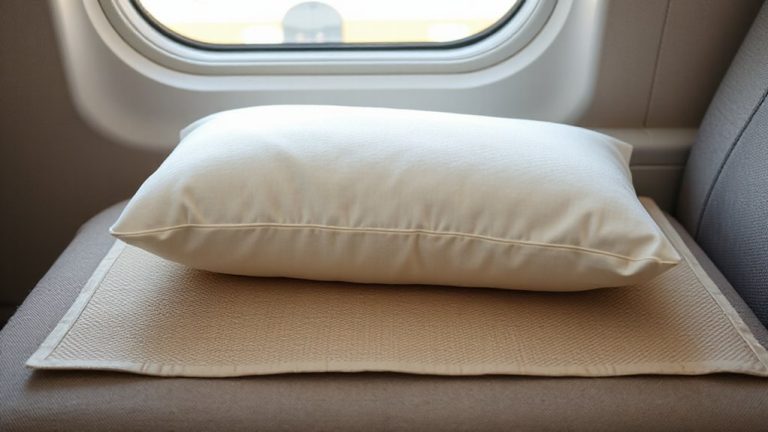
Deep sleep and REM sleep act like a reset button for your brain’s emotional control center. During slow-wave sleep, your brain strengthens emotional regulation by calming the amygdala’s reactivity. That’s why you often feel more level-headed after a full night’s rest. REM sleep supports emotional processing by integrating daily experiences with existing memories, helping you make sense of stress. Dream analysis isn’t just for therapists-your brain uses dreams to rehearse responses to emotional challenges, reducing their intensity. Both stages help lower anxiety the next day by reinforcing mental resilience. If you’re considering sleep aids, look for those that preserve REM and deep sleep patterns. Some medications shorten these stages, which may reduce benefits over time. Devices with sleep tracking can help you assess your cycle depth. Prioritizing sleep quality over quantity supports long-term emotional health. A protective mattress encasement can reduce allergens and skin irritants that might otherwise disrupt restorative sleep.
Are You Missing Deep Sleep?
Could your nightly rest be skimping on the most restorative phase without you even knowing? Deep sleep is essential for rebuilding your body and calming your brain, yet many miss it entirely. Without enough deep sleep, sleep deprivation sets in, impairing mood and mental sharpness. This lack also fuels stress accumulation, making anxiety worse the next day. You might not notice it, but your body does.
| Factor | Impact on Deep Sleep |
|---|---|
| Sleep deprivation | Reduces time in deep phases |
| Chronic stress | Increases interruptions |
Tracking your sleep patterns can reveal gaps. If you wake often or feel tired despite long nights, you may lack deep sleep. Some sleep aids may help, but check with a provider to rule out disorders. Understanding your personal needs helps guide choices in improving rest-no quick fixes, just better awareness and small adjustments.
Proven Ways to Sleep More Deeply
You’ve likely noticed how restless nights leave you tense or unfocused the next day, and if deep sleep is lacking, those feelings make sense. Improving your sleep environment can have a measurable effect-cool, dark, and quiet rooms support deeper cycles. Consider blackout curtains, white noise machines, or earplugs if needed. A highly-rated white noise machine can further enhance sound masking for undisturbed sleep. Bedtime consistency strengthens your body’s internal clock, making deep sleep more routine than random. Aim for the same sleep and wake times, even on weekends. Devices like sleep trackers can help monitor progress, while breathable bedding materials improve comfort. Some find success with weighted blankets or cooling mattresses, both designed to reduce nighttime disruptions. Over-the-counter aids exist, but check with a doctor first, especially if symptoms persist. Small, consistent changes often yield better long-term results than quick fixes.
Daily Habits That Reduce Anxiety Through Better Sleep
Because sleep and anxiety are closely linked, making small, consistent changes to your daily routine can support both restfulness and emotional balance. Paying attention to exercise timing helps-aim to finish moderate to vigorous workouts at least three hours before bedtime, as late activity can delay sleep onset. Managing caffeine intake is just as important; avoid consuming caffeine after 2 p.m., since its effects can linger for up to eight hours, reducing sleep quality. These habits don’t require major lifestyle shifts but do rely on consistency. You don’t need special devices or supplements-just mindful daily choices. Over time, aligning your routine with your body’s natural rhythms supports deeper sleep and lowers next-day anxiety, offering a practical, accessible strategy for better emotional health.
What Happens When You Skip Deep Sleep
When deep sleep gets cut short, your body misses out on the restorative phase it needs to recharge both brain and body, leaving you more vulnerable to mood shifts and mental fog the next day. Sleep deprivation from skipping this stage can trigger anxiety and worsen cognitive impairment over time. Your brain relies on deep sleep to clear toxins, strengthen memory, and regulate emotions-without it, focus and decision-making suffer.
| Effect | Cause | Possible Solution |
|---|---|---|
| Anxiety spikes | Missed deep sleep | Prioritize consistent bedtime |
| Cognitive impairment | Sleep deprivation | Limit screen time before bed |
| Fatigue | Cycle disruption | Consider sleep aids after consulting a doctor |
Ignoring deep sleep weakens resilience. Small adjustments in routine or temporary, doctor-approved aids may help restore balance and support mental health.
On a final note
You can reduce next-day anxiety by prioritizing deep sleep, especially slow-wave and REM stages. Poor sleep depth disrupts emotional regulation, while consistent, restorative sleep supports mental resilience. If you’re not feeling rested, consider tracking sleep patterns or consulting a specialist to rule out disorders. Simple changes-like limiting screens and keeping a regular bedtime-often help. Some find relief with proven sleep aids, but always check safety, try them briefly, and review warranty or return policies before committing.