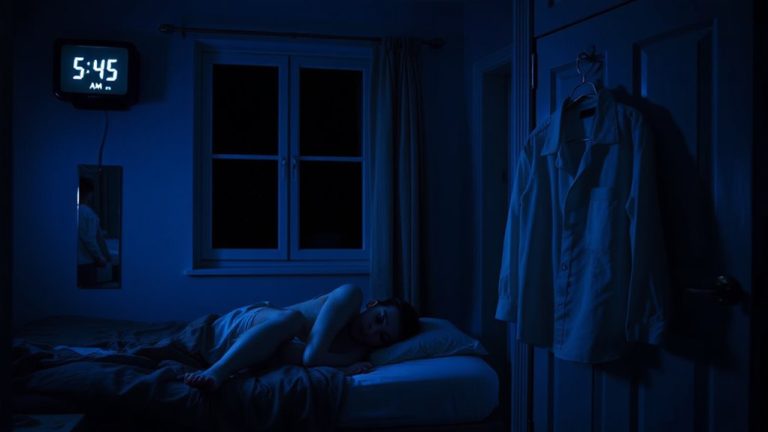
Why Dementia Patients Have Disrupted Melatonin Secretion Patterns
Dementia damages the brain’s internal clock, so your body makes less melatonin at night and releases it out of sync, disrupting sleep. Reduced daylight exposure and weakened light processing deepen the problem. Melatonin supplements (1–3 mg) taken 30–60 minutes before bed may help reset your rhythm, especially with consistent routines and morning light. Results vary, so a short trial under a doctor’s guidance can show if it’s right for you-further support options follow.
Notable Insights
- Dementia damages the suprachiasmatic nucleus, the brain’s master clock, impairing melatonin release timing.
- Age-related and disease-linked decline reduces the body’s natural production of melatonin at night.
- Neurodegeneration disrupts signaling between the brain and pineal gland, weakening circadian melatonin rhythms.
- Reduced exposure to daylight due to limited outdoor activity desynchronizes the internal clock.
- Circadian misalignment from neural degradation leads to delayed, blunted, or fragmented melatonin secretion.
What Melatonin Does in Dementia Sleep
While your body naturally produces melatonin to regulate sleep, this process often weakens with age and is especially disrupted in dementia. You may notice changes in sleep architecture, like shortened deep sleep or frequent nighttime awakenings, because melatonin helps maintain these cycles. Without enough melatonin, circadian misalignment occurs-your internal clock no longer matches the day-night cycle, leading to daytime drowsiness and nighttime restlessness. Supplementing with melatonin might help restore some rhythm, though results vary. Slow-release formulations are often preferred for longer-lasting effects. Always consult a doctor before starting any sleep aid, especially in dementia. Consider non-drug options like light therapy or consistent bedtime routines alongside melatonin. Trial periods of 4–6 weeks can help assess effectiveness. Warranties on supplements are rare, so choose reputable brands tested for purity.
When the Brain’s Clock Breaks in Alzheimer’s
Why does sleep feel so scattered when Alzheimer’s takes hold? It’s because neural degeneration damages the brain’s suprachiasmatic nucleus-the master clock. This breakdown leads to circadian desynchronization, disrupting your sleep-wake cycle. You might feel tired at odd times or struggle to stay asleep. Light cues no longer reset your rhythm like they used to, making days blur together. Recognizing these signs early helps you adjust routines for better rest.
| Brain Region Affected | Function Lost | Impact on Sleep |
|---|---|---|
| Suprachiasmatic Nucleus | Timekeeping | Irregular sleep onset |
| Pineal Gland | Melatonin release | Delayed or weak signals |
| Cortex | Neural integration | Fragmented rest |
Supporting sleep means aligning habits with the body’s weakened clock. Simple changes-like daytime light exposure or scheduled meals-can stabilize patterns without medication. In some cases, best supplements for deep sleep may also help support rest when routines aren’t enough.
Why Nighttime Melatonin Drops in Dementia
Your sleep feels broken at night, and part of the reason lies in how your body handles melatonin as dementia progresses. The brain’s ability to maintain a steady circadian rhythm weakens due to neural degradation, especially in areas like the suprachiasmatic nucleus. As this internal clock falters, melatonin release-normally high at night-starts to drop or come at irregular times. This shift doesn’t mean your body no longer needs melatonin; it means timing and signals are disrupted. Lower nighttime levels can lead to fragmented sleep, nighttime waking, or confusion. Some families consider melatonin supplements, typically 1–5 mg taken 30–60 minutes before bed, which may help regulate sleep patterns. Products vary in release speed and dosage forms, so trial periods with a doctor’s guidance can reveal what works best. Warranties aren’t applicable, but consistent tracking improves decision-making.
Why Dementia Patients Get Too Little Daylight
Could it be that the world’s slowing down around you-or is the light just not reaching you like it used to? Many dementia patients experience reduced outdoor activity, which means less natural light during the day. This limited exposure to sunlight disrupts your body’s internal clock, making it harder to stay alert and sleep well at night. Without strong daylight signals, the brain doesn’t get the cues it needs to regulate sleep-wake cycles effectively. Even simple steps-like sitting by a bright window or spending time in a sunny room-can help. Light intensity matters; aim for at least 1,000 lux of morning light when possible. Though you may move slower now, structured daytime routines with access to daylight improve rhythm stability. Consider light-therapy lamps if getting outside feels difficult. These devices mimic daylight and support circadian health without medication.
Can Melatonin Supplements Help Dementia Patients?
Is there a better way to support your sleep when dementia affects your natural rhythms? Melatonin supplements might help, but success often depends on melatonin timing. Taking it too early or too late can worsen sleep patterns, so aim for 30 to 60 minutes before bedtime unless a doctor recommends otherwise. Studies show modest improvements in sleep onset and nighttime rest, though results vary. Supplement safety is generally good for short-term use, but possible side effects include dizziness or daytime drowsiness. Always talk to your healthcare provider before starting, especially if you’re on other meds. Low doses-often 1 to 3 milligrams-work best and reduce risk of over-sedation. While melatonin isn’t a cure, it may offer a useful tool when used carefully. Long-term effects aren’t fully known, so ongoing check-ins with your doctor are wise. For those considering options, choosing a high-quality product is key, and reviewing a trusted melatonin supplements guide can help identify formulations with consistent potency and purity.
How Daily Routines Affect Dementia Sleep
While melatonin supplements can play a role in supporting sleep, they work best when paired with consistent daily routines that strengthen your body’s natural rhythms. You’ll likely notice better results when you follow clear sleep hygiene habits, like keeping lights low in the evening and avoiding screens before bed. Regular mealtimes, morning walks, and daytime activity help signal your body when it’s time to be awake or rest. Calm bedtime rituals-such as brushing teeth, listening to soft music, or reading-prepare the mind for sleep, especially when done at the same time every night. These patterns support melatonin’s effectiveness and may reduce nighttime wandering or confusion. While supplements offer temporary help, daily routines provide long-term stability. Trying both together, under a doctor’s guidance, gives you more control over sleep quality without relying solely on medication.
On a final note
You might notice sleep changes in dementia, often linked to low melatonin and poor light exposure. Smaller nighttime melatonin drops can disrupt sleep cycles, while limited daylight weakens the body’s internal clock. Regular routines and bright daytime light help stabilize rhythms. Supplements may offer some support, but results vary-starting low and monitoring effects matters. Always consult a doctor before trying sleep aids, and consider non-drug strategies first for safer, lasting improvements.