The Role of Pilates in Alleviating Back Pain That Disrupts Sleep
Pilates helps ease back pain that interferes with sleep by strengthening your core to support your spine, improving posture, and relieving pressure from daily strain. Controlled movements enhance spinal alignment and reduce nighttime discomfort without joint stress. A proper routine can improve sleep quality by calming the nervous system and releasing muscle tension. When done consistently and with correct form, you’ll likely notice fewer sleep disruptions-there’s more to discover about how specific exercises target pain at its source.
Notable Insights
- Pilates improves spinal alignment, reducing nighttime back pain caused by poor posture and pressure points.
- Strengthening core muscles through Pilates decreases strain on the spine during rest and movement.
- Controlled Pilates movements correct postural imbalances that contribute to chronic back pain and sleep disruption.
- Regular practice enhances spinal mobility and relaxation, easing tension that worsens when lying down.
- A consistent, gentle Pilates routine can improve sleep quality by minimizing pain flare-ups at night.
Why Back Pain Wrecks Your Sleep (And What Helps)
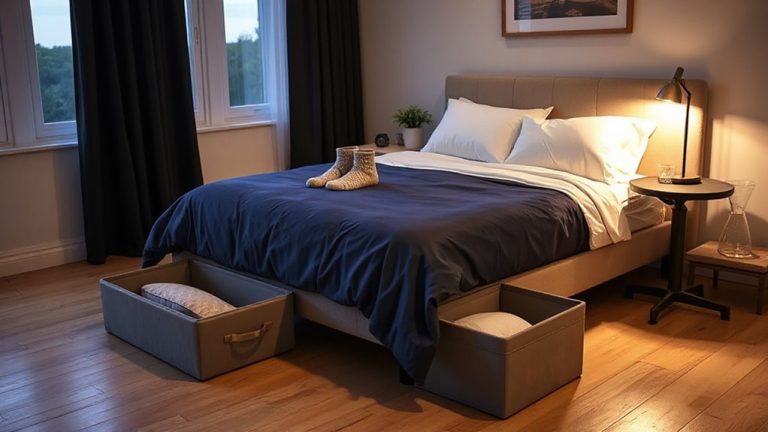
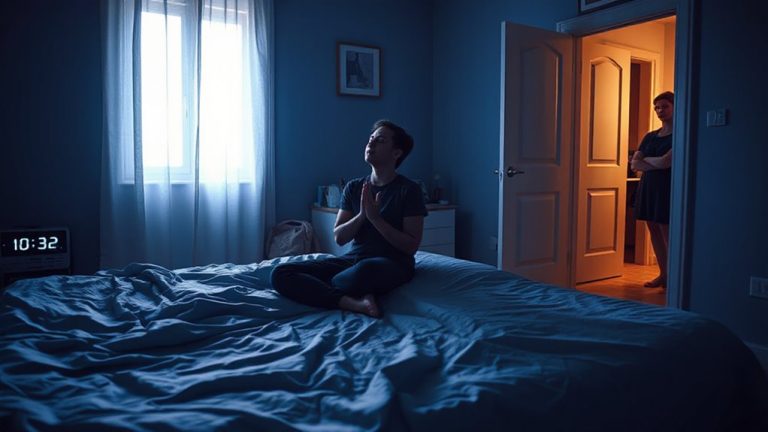
Why does back pain seem to get worse at night? When you lie down, your spine’s alignment shifts, and pressure points can amplify discomfort, turning your bed into a hotspot for pain triggers. Without daytime distractions, your focus narrows on aching muscles or stiff joints, making sleep quality dip. Poor posture during the day, inactivity, or even stress can prime your body for nighttime flare-ups. Your mattress firmness matters-too soft or too hard may worsen alignment. Consider testing supportive pillows or adjustable bases that reduce strain. Over-the-counter sleep aids might help short-term, but they don’t fix root causes. Instead, evaluate your sleep environment and daily habits. Small changes-like adjusting room temperature or setting a consistent bedtime-can improve sleep quality over time. Track what helps, and don’t hesitate to consult a healthcare provider for persistent issues. A supportive sleep surface, such as the best purple mattresses, can make a meaningful difference for back pain relief.
How Pilates Heals Back Pain at the Source
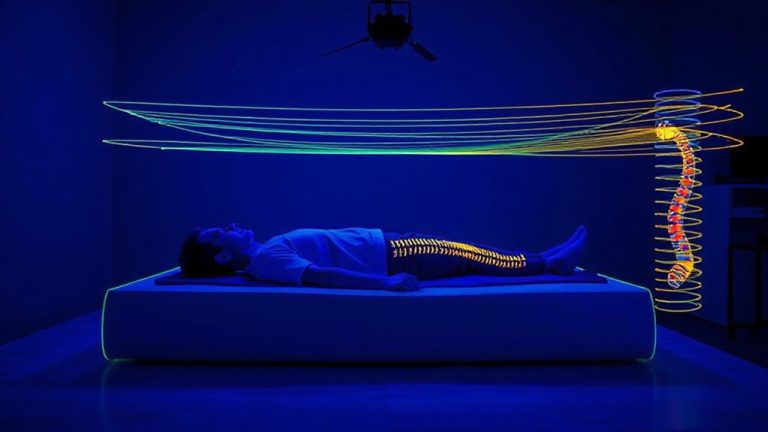
You’ve probably noticed how nighttime discomfort keeps you restless, and while tweaking your sleep setup helps, it doesn’t always quiet the root cause of back pain. Pilates works deeper by improving spinal alignment and promoting core stabilization, which support your back where it needs it most. When your core muscles-like the transverse abdominis and pelvic floor-are properly engaged, they act like an internal brace, reducing strain on your spine. This balanced support helps correct postural imbalances that often contribute to chronic discomfort. Pilates emphasizes controlled, precise movements that retrain your body to move efficiently, lessening pressure on sensitive areas. Unlike routines focused only on strength or stretch, Pilates integrates both, fostering resilience without overloading joints. These changes develop gradually, with consistent practice yielding lasting improvements. By addressing muscular weaknesses and alignment issues at their source, Pilates offers a sustainable path to reduced back pain-and, ultimately, more restful, uninterrupted sleep.
5 Pilates Exercises That Ease Back Pain and Improve Sleep
While some movements may feel subtle at first, they’re designed to activate key stabilizing muscles that support your spine and promote better posture over time. Focusing on core stability and spinal alignment helps reduce back pain and can lead to more restful sleep. Try these beginner-friendly exercises regularly to see improvements.
| Exercise | Benefit |
|---|---|
| Pelvic Tilts | Improves spinal alignment |
| Single Leg Stretches | Enhances core stability |
| Spine Stretch | Relieves tension, aids relaxation |
These movements train your body to maintain proper alignment during daily activities and while lying down, which may reduce sleep disruptions. Consistent practice supports deeper, more restorative rest without relying on sleep aids. Give each exercise time to show results-most people notice changes within a few weeks. Always move with control and focus on your breathing to maximize effectiveness.
Is Pilates Safe for Back Pain? What to Know Before Starting?
Pilates can be a safe option for managing back pain, especially when exercises are tailored to your fitness level and symptoms. You’ll want to contemplate Pilates safety by starting with a certified instructor who understands spinal health. They’ll help you maintain proper form and avoid movements that could worsen your pain. Certain positions, like forward bends or excessive arching, might need modification, so communicate your limits clearly. Back pain precautions include avoiding high-intensity variations until your core strength improves. Listen to your body-if an exercise causes sharp pain, stop immediately. Starting slowly reduces injury risk and builds confidence. For those with chronic pain or past injuries, consulting your doctor before beginning is a smart step. While Pilates isn’t a quick fix, consistent, careful practice supports better movement patterns that may improve sleep quality over time.
Build a Weekly Pilates Routine for Lasting Relief
Starting small can make a real difference when building a weekly Pilates routine for lasting back pain relief. Focus on weekly consistency, not intensity, to gain long term benefits. Begin with simple movements and gradually increase duration and complexity. Aim for four sessions per week, even if they’re just 15–20 minutes each.
| Day | Focus |
|---|---|
| Monday | Core activation |
| Wednesday | Spinal mobility |
| Friday | Posture alignment |
| Saturday | Gentle full-body flow |
This structure supports steady progress without strain. Over time, you’ll notice improved movement control and reduced discomfort, especially at night. Consistent practice may help you rely less on sleep aids and improve overall sleep quality. The key is regularity-your body adapts gradually, and the long term benefits come from showing up week after week.
On a final note
You now know how Pilates addresses back pain at its source, easing discomfort that interrupts sleep. These exercises strengthen core muscles, improve posture, and boost spinal flexibility-key for lasting relief. Since not all routines suit every condition, consult a professional before starting. A weekly, guided practice offers the best results. Consider Pilates a long-term option, not a quick fix, and pair it with healthy sleep habits for improved rest.