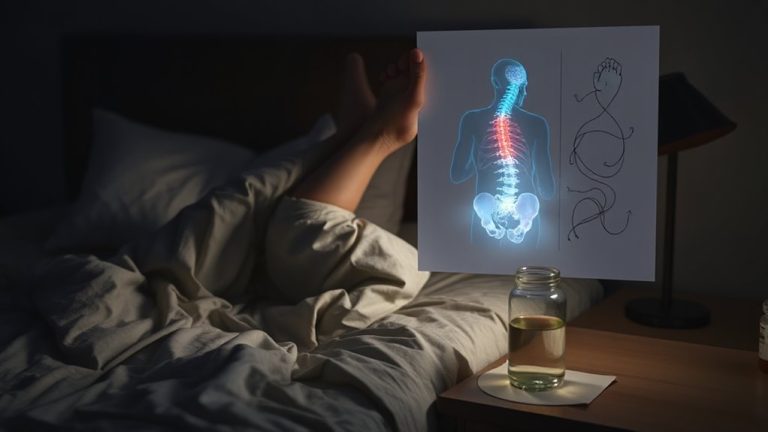
Managing Delayed Sleep Phase Disorder in College Students Living in Dorms
You’re not just staying up late-DSPD shifts your sleep rhythm hours behind, often making early classes tough. Reset your clock by moving bedtime 15 minutes earlier nightly and using morning light therapy. Block light with curtains or a mask, reduce noise with earplugs or white noise, and take melatonin two hours before bed if advised. See your campus doctor with sleep logs, since treatment plans can start showing results in a week or two. There’s more to explore on aligning school life with your biology.
Notable Insights
- Gradually shift bedtime 15 minutes earlier each night and maintain consistent wake times, even on weekends.
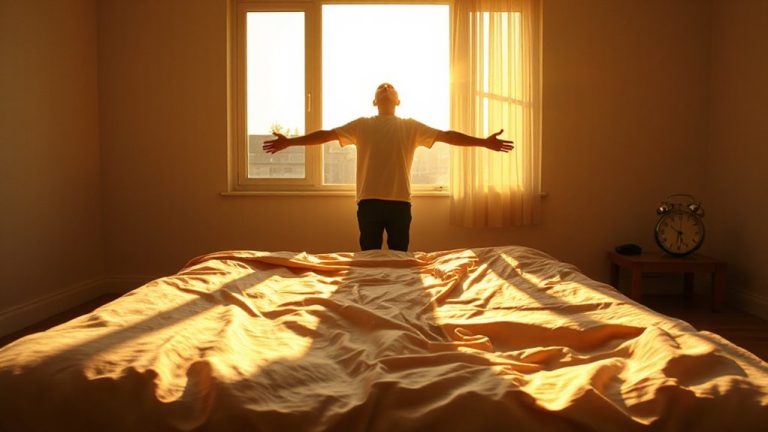
- Use morning bright light exposure or a 10,000-lux light therapy box for 30 minutes upon waking.
- Take melatonin supplements 2 hours before target bedtime under medical supervision to reset circadian rhythms.
- Optimize dorm sleep conditions with blackout curtains, earplugs, white noise, and reduced blue light at night.
- Consult campus health services for diagnosis, personalized treatment, and academic accommodations if DSPD disrupts daily functioning.
What Is DSPD in College Students?
While your sleep schedule might feel just like a personal habit, it could actually signal something more specific if you consistently fall asleep late and struggle to wake up in time for morning classes. You might have Delayed Sleep Phase Disorder (DSPD), a condition where your internal circadian rhythm runs hours behind the typical cycle. It’s not just poor discipline-research shows a strong genetic predisposition, meaning your biology may be working against a conventional schedule. Your body naturally releases melatonin later at night, making sleep feel impossible early. This shift isn’t easily fixed by willpower alone, and trying to force early sleep often backfires. DSPD is common in teens and young adults, especially in college. Understanding it helps you make informed choices about treatment, including light therapy or melatonin supplements, backed by medical guidance and trial-based results.
How to Gradually Reset Your Sleep Schedule
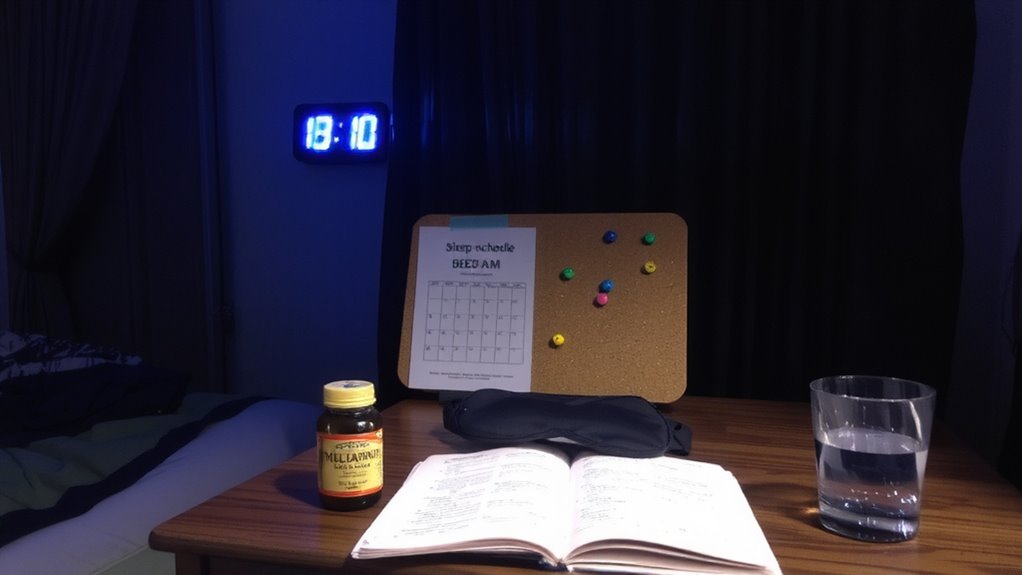
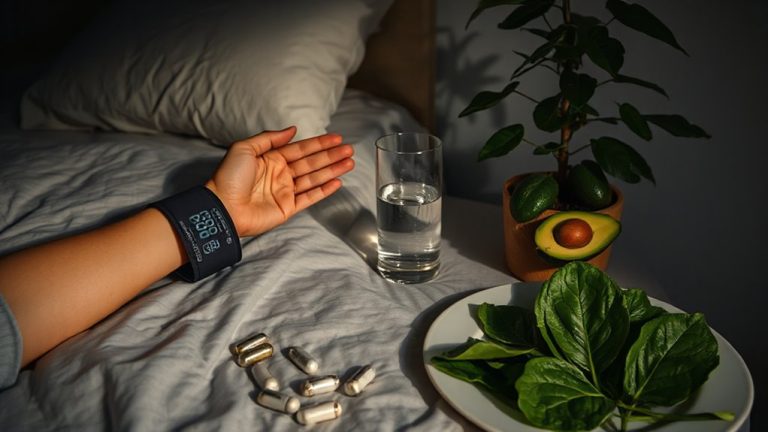
Because your body’s internal clock doesn’t shift overnight, resetting your sleep schedule works best when done in small, consistent steps. Start by adjusting your bedtime 15 minutes earlier each night until you reach your target. Use sleep tracking apps or wearable devices to monitor patterns and identify progress over time. These tools help you see how long it takes to fall asleep and how often you wake, offering clear data to guide changes. Pair this with controlled light exposure-get bright light in the morning and limit blue light at night. Morning light helps signal wakefulness, while dimming lights in the evening supports melatonin release. Avoid screens an hour before bed, or use blue light filters. Consistency matters most, even on weekends. Over time, these steps can help realign your internal clock gradually and sustainably. For added support, consider using one of the best sleep apps recommended for improving sleep quality and maintaining healthy sleep habits.
Optimize Your Dorm for Better Sleep With DSPD
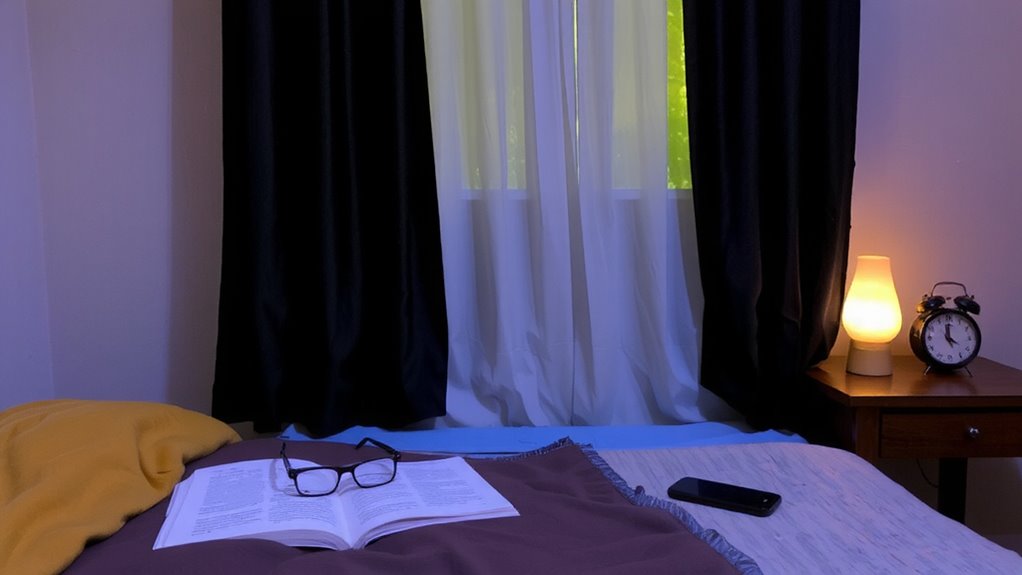
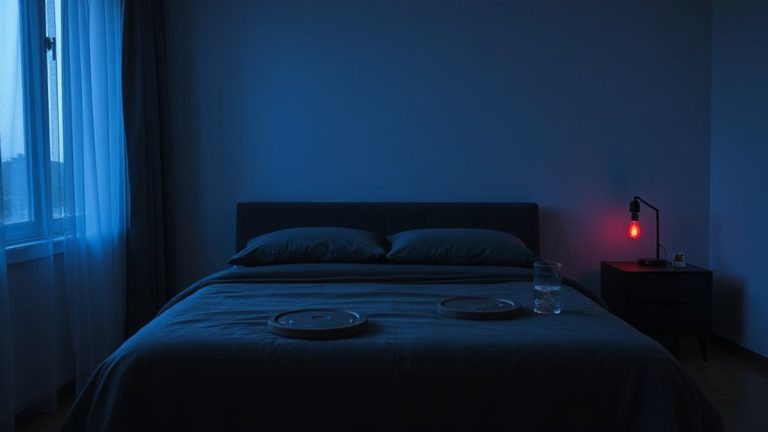
Your dorm room’s setup plays a key role in managing Delayed Sleep Phase Disorder, shaping how easily your body can wind down and stay asleep. Light control is essential-use blackout curtains or a sleep mask to block hallway or streetlights that disrupt melatonin release. Even small LED lights from electronics can interfere, so consider covering them or using socket timers. For noise reduction, try earplugs or a white noise machine to dampen late-night foot traffic or roommate activity. Some students find low-volume fan sounds or apps effective, but wired devices avoid charging issues. Choose breathable bedding to maintain comfort, and keep your space tidy to signal your brain it’s time to rest. Position your bed away from doors or desks if possible, minimizing distractions. Simple, consistent changes in light control and noise reduction improve sleep quality over time, supporting your circadian rhythm without medication. A supportive mattress can also make a difference, especially one designed for pressure relief like the best IKEA mattresses for side sleepers.
When to See a Doctor for DSPD on Campus
How do you know when sleep troubles go beyond just staying up too late? If you’ve tried adjusting your routine but still can’t fall asleep earlier or wake up on time, it might be more than poor habits. When your sleep pattern consistently disrupts classes, mood, or daily functioning, it’s time to evaluate a medical consultation. Sleep tracking apps or devices can help by showing patterns-like falling asleep after 2 a.m. most nights-even when you try to change. These records give doctors clear data. On campus, visit the student health center to discuss your sleep history. They can diagnose Delayed Sleep Phase Disorder and suggest light therapy, melatonin, or schedule shifts backed by evidence. Early consultation prevents long-term struggles. Treatments vary, so a tailored plan works best. Most campuses offer affordable or no-cost visits, making it a practical first step. For more accurate tracking, consider using one of the best sleep monitors available, as they provide detailed insights into sleep quality and cycles. best sleep monitors
Why Class Schedules Clash With DSPD: and What to Do
What happens when your body isn’t ready to sleep until long after most people have turned off the lights? If you have Delayed Sleep Phase Disorder (DPSD), you’re likely facing chronic fatigue because your natural rhythm clashes with early college class schedules. Your brain doesn’t signal sleep until late-say, 2 a.m.-yet your first lecture may start at 8 a.m. That mismatch fuels academic pressure and exhaustion. You might consider light therapy boxes, used 30 minutes after waking, to shift your cycle. Set them to 10,000 lux for best results. Melatonin supplements, taken 2 hours before target bedtime, can also help reset your clock. Some students see improvements in just 1–2 weeks. Talk to campus health services about personalized plans. Adjustments take consistency, but better alignment with class times is possible-and worth the effort.
On a final note
You can manage DSPD by slowly adjusting your bedtime, using light exposure wisely, and shaping your dorm environment for better sleep. Consider blackout curtains, white noise, and consistent routines. If symptoms persist, consult a campus health provider to discuss options, including melatonin or light therapy, which may help reset your rhythm. Evaluate each approach by how well it fits your schedule and living situation. Most strategies are low-risk and worth a short trial.