The Role of Magnesium in Reducing Nighttime Blood Pressure Spikes
You’re more likely to experience nighttime blood pressure spikes if your body lacks magnesium, which helps relax blood vessels and support calm nerve function. Low levels can disrupt sleep and increase stress responses that raise blood pressure. Foods like spinach, almonds, and avocados, or supplements like magnesium glycinate, may help stabilize levels. Taking 200–300 mg before bed supports your body’s natural rhythm. Improving magnesium intake could mean better sleep and smoother overnight blood pressure-especially if sleep apnea or restlessness is a concern. There’s more to think about regarding timing and form for your routine.
Notable Insights
- Magnesium helps relax blood vessels, reducing nighttime blood pressure spikes.
- Low magnesium levels are linked to sleep disruptions that elevate nocturnal blood pressure.
- Supplementing with magnesium glycinate at bedtime supports relaxation and healthy blood pressure.
- Magnesium deficiency may increase nighttime restlessness and cardiovascular strain during sleep.
- Consuming magnesium-rich foods or supplements nightly aligns with the body’s natural blood pressure rhythm.
Why Nighttime Blood Pressure Spikes Are Dangerous

While you’re asleep, your body should be resting and recovering, but nighttime blood pressure spikes can interfere with that process, putting extra strain on your heart and blood vessels when they’re supposed to be at ease. You might not realize it, but conditions like sleep apnea can trigger these surges, disrupting oxygen flow and jolting your system repeatedly. Over time, this stress contributes to arterial stiffness, reducing your blood vessels’ flexibility and increasing long-term cardiovascular risk. Since nighttime spikes often go undetected, paying attention to sleep quality is essential. If you snore loudly or wake up tired, sleep apnea could be a factor worth exploring. Sleep studies can identify issues, and treatments like CPAP machines are proven to help. Monitoring your blood pressure at home during evening and morning hours may also reveal patterns. Being proactive now supports better heart health later, without rushing to conclusions or unnecessary interventions.
Can Magnesium Lower Your Nighttime Blood Pressure?
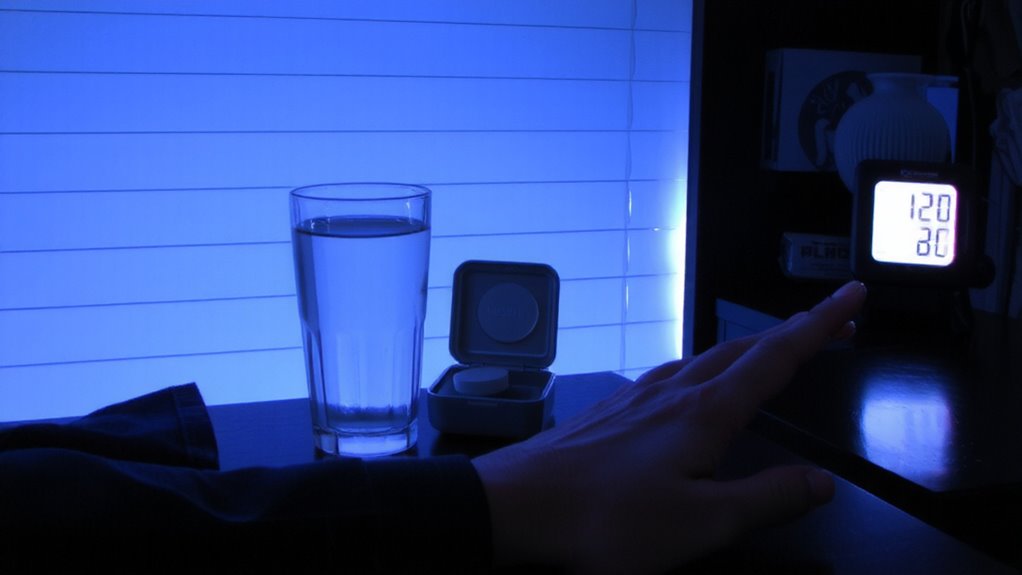
Though you might not feel it happening, your body’s mineral balance can play a quiet yet powerful role in how your blood pressure behaves at night. Magnesium helps regulate blood vessel tension and supports healthy nerve function, both of which matter when your body rests. If your magnesium absorption is low, you might be more prone to nighttime blood pressure spikes. Poor sleep quality often goes hand-in-hand with this imbalance, making it harder for your cardiovascular system to relax. Studies suggest consistent magnesium levels can support healthier nighttime readings. You don’t need drastic changes-small adjustments in diet or routine may help. Better sleep quality doesn’t happen overnight, but supporting your body’s magnesium needs could be a steady step forward. You can assess your current habits and consider whether improving magnesium intake aligns with your sleep and heart health goals.
Top Magnesium Foods and Supplements for Nighttime Control

Magnesium-rich foods and supplements can make a noticeable difference in how your blood pressure behaves at night. You’ll find effective food sources like spinach, almonds, avocados, and black beans-these deliver magnesium naturally, along with fiber and healthy fats that support overall heart function. If you’re not getting enough through diet, supplement types like magnesium glycinate or citrate can help, especially since they’re well-absorbed and gentle on the stomach. Glycinate may also support relaxation, making it a practical choice before bedtime. Start with the lowest effective dose, usually around 200–300 mg, and take it at night to align with your body’s natural rhythm. Look for supplements with clear labeling, third-party testing, and no unnecessary additives. While food sources build long-term intake, supplement types offer targeted support when needed-both can play a role in maintaining steady nighttime blood pressure. For reliable options, consider checking the top magnesium supplements based on absorption and quality standards.
Low Magnesium? These Symptoms Raise BP at Night
Could your nighttime restlessness be more than just poor sleep? Low magnesium might be the hidden factor raising your blood pressure after dark. When your body lacks this essential mineral, you’re more likely to experience muscle cramps and sleep disturbances-both of which can trigger stress responses that elevate BP. Muscle cramps often strike at night, disrupting your rhythm and keeping you from reaching deep, restorative sleep stages. Sleep disturbances linked to low magnesium include frequent awakenings or trouble falling asleep. These issues don’t just leave you tired-they strain your cardiovascular system when it should be recovering. Recognizing these symptoms helps you decide if dietary changes or supplements are worth trying. While food sources are ideal, supplements with proven absorption and third-party testing offer a practical backup. Look for products offering clear dosage info and a 30-day trial to test effectiveness safely. Some of the most effective options for improving sleep and reducing anxiety are best magnesium supplements.
How a Magnesium Night Routine Stabilizes Blood Pressure
You might already know that low magnesium levels can disrupt your sleep and push blood pressure up at night, but what you do in the hours before bed could make a real difference in how your body handles it. Taking magnesium 30 to 60 minutes before bedtime supports your stress response, helping your nervous system shift into rest mode. This can lead to better sleep quality by reducing nighttime awakenings and supporting deeper, more continuous sleep cycles. Improved sleep, in turn, promotes balanced blood pressure patterns overnight. Forms like magnesium glycinate are often recommended for their calming effects and high absorption. Unlike stimulant-containing sleep aids, magnesium works gently with your body’s natural rhythms. Consistent use, combined with a quiet environment and limited screen time, strengthens results. While individual responses vary, many notice improvements within a few weeks. Check with your doctor if you’re on medication, and look for supplements with transparent labeling and third-party testing for reliability. Best magnesium supplements for leg cramps often feature highly absorbable forms like magnesium glycinate, which also support cardiovascular and muscular health.
On a final note
You might not realize it, but low magnesium can worsen nighttime blood pressure spikes, which raises heart health risks. Including magnesium-rich foods-or a supplement, if needed-may help stabilize your levels. Start with leafy greens, nuts, or a nightly 200–400 mg supplement shown to support vascular function. Try it consistently for a few weeks, and track your sleep and BP. Many find it improves rest and smooths nighttime readings-without major side effects or long-term commitment.