The Link Between Sleep Duration and Emotional Regulation in Kids
You’re not imagining it-if your child’s tired, their emotions can feel bigger and harder to manage. Poor sleep weakens the brain’s ability to regulate feelings, leading to more tantrums, anxiety, and mood swings. Kids need 8–10 hours nightly, depending on age, for emotional resilience. A calm bedtime routine, reduced screen time, and a quiet sleep environment help. If irritability or sleep struggles persist, consider a professional check-in to support better rest and emotional balance.
Notable Insights
- Inadequate sleep reduces prefrontal cortex function, weakening kids’ impulse control and emotional regulation.
- Poor sleep increases emotional sensitivity, making minor frustrations feel overwhelming and harder to manage.
- Disrupted or insufficient sleep elevates stress responses, impairing the brain’s ability to regulate emotions.
- Irregular bedtimes and less than 8–10 hours of sleep correlate with increased irritability and mood swings.
- Consistent sleep routines and screen-free wind-down periods support healthier emotional regulation in children.
Why Poor Sleep Makes Kids More Emotional
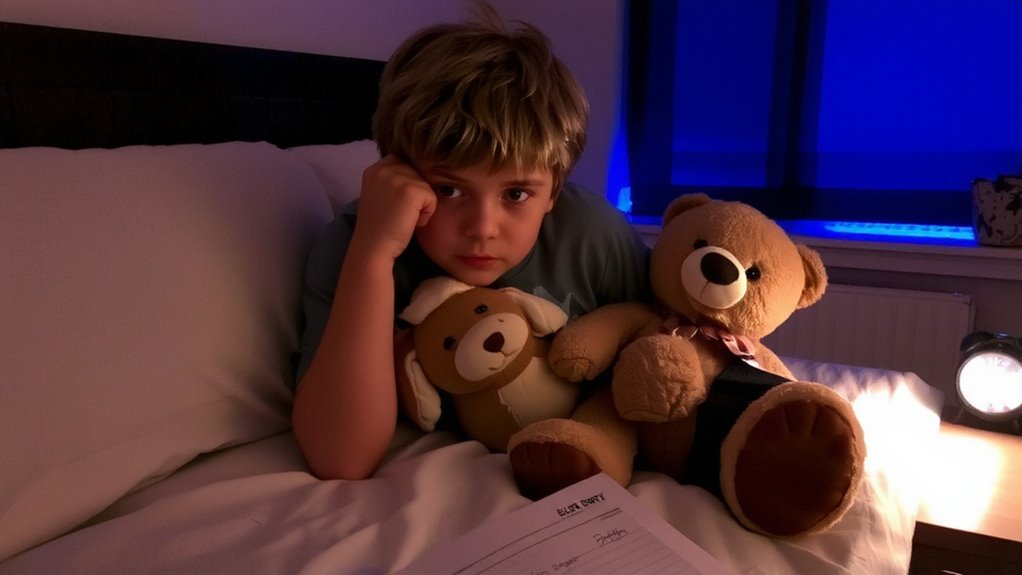
When kids don’t get enough sleep, their brains have a harder time managing emotions, especially during stressful moments. You might notice increased emotional sensitivity, where small frustrations feel overwhelming. This happens because sleep deprivation disrupts the prefrontal cortex, the area responsible for rational thinking and impulse control. As a result, mood swings become more frequent and intense. Without consistent, quality rest, the body’s stress response stays elevated, making emotional regulation harder. You can support better outcomes by prioritizing regular bedtimes and sleep-conducive environments. If sleep issues persist, consider consulting a specialist to rule out disorders like sleep apnea. Some families explore sleep aids, but these should be used only after medical advice and with clear understanding of risks, ingredients, and trial periods. Reliable products often offer money-back guarantees, letting you test solutions carefully.
How Little Sleep Leads to Tantrums and Anxiety
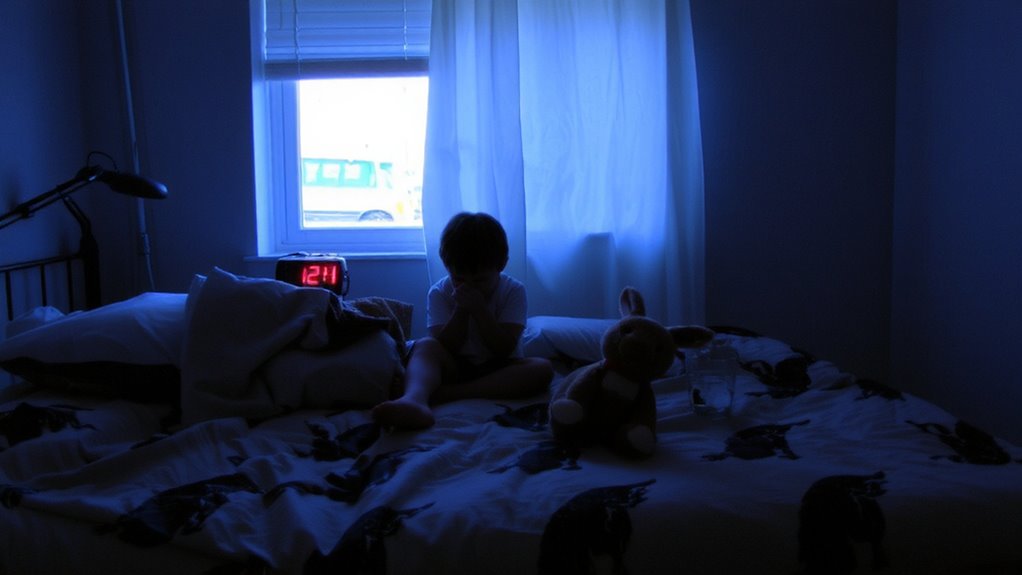
Though the connection between sleep and behavior isn’t always obvious, skimping on rest often sets the stage for tantrums and anxiety in kids. When your child doesn’t get enough sleep, their brain struggles to manage emotions, making small frustrations feel overwhelming. A poor sleep environment-like a room that’s too bright, noisy, or warm-can reduce sleep quality, increasing emotional reactivity. Even minor disruptions add up over time. You should also consider the dietary impact; too much sugar or caffeine can delay bedtime and fragment sleep. While sleep aids might seem helpful, it’s usually better to adjust routines first. Look at consistency in bedtime, screen use, and comfort. Most kids respond well to structured habits and a calm space. Trial changes for at least two weeks to see improvements. Warranties on quality mattresses or blackout curtains may offer peace of mind when upgrading the sleep environment.
Is Your Child Sleep-Deprived? Key Emotional Signs
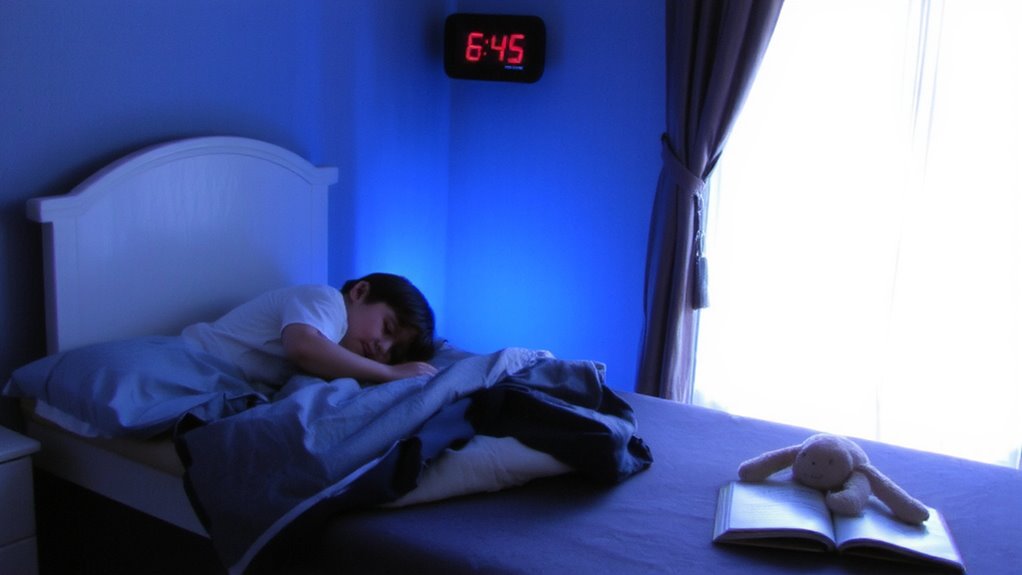
How can you tell if your child’s mood swings are more than just typical behavior and actually signs of sleep deprivation? Persistent irritability levels, sudden outbursts, or difficulty calming down after small frustrations may point to too little rest. If your child seems unusually sensitive or withdraws from activities they once enjoyed, sleep could be the underlying cause. Mood swings that follow irregular bedtimes or poor sleep patterns often improve with consistent, quality rest. Watch for trouble falling asleep, frequent night awakenings, or excessive daytime drowsiness-these may suggest a sleep disorder worth evaluating. When considering solutions, track sleep habits for one to two weeks before trying changes. Sleep aids or adjusted routines should be tested gradually, noting effects on behavior. Many families see improvements within days of prioritizing sleep, supporting earlier bedtimes and screen-free wind-down periods.
What Brain Science Says About Sleep and Moods
You’ve likely noticed how quickly a short fuse or sudden tearfulness can disrupt your child’s day, and while those reactions might seem emotional on the surface, they’re often tied to what’s happening in the brain during sleep. When kids skip or shorten sleep, their brain’s ability to manage emotions weakens. Sleep supports neural plasticity, the brain’s way of adapting and forming healthy connections after daily experiences. Without enough rest, this process slows, making it harder to cope with stress. During deep sleep, the brain strengthens emotional resilience, balancing mood-related chemicals. Studies show kids who consistently get less than 8–10 hours (depending on age) are more likely to struggle with emotional control. This isn’t just about feeling tired-it’s about how the brain resets each night. Prioritizing regular, uninterrupted sleep helps support long-term mental well-being. Consider tracking sleep patterns and consulting a specialist if disruptions persist.
How to Set a Calming Bedtime Routine
Why do some children drift off easily while others resist bedtime like a storm? The difference often lies in routine. You can build a calming bedtime routine by starting 30 to 45 minutes before sleep. Dim the lights to create cozy lighting, which signals the brain that it’s time to wind down. Pair this with soft music-instrumental or nature sounds work well-to gently lower heart rate and ease mental tension. Include consistent steps like brushing teeth, changing into pajamas, and reading a book. Keep interactions quiet and predictable. Avoid stimulating activities, but don’t force stillness-allow quiet fidgeting if it helps. Monitor how your child responds over a week. Adjust timing or elements if needed. A well-structured routine supports better sleep onset and emotional regulation without reliance on sleep aids.
Cut Evening Screen Time for Better Sleep
Evening screen time can quietly disrupt your child’s sleep more than you might realize, especially after a well-planned bedtime routine. Blue light exposure from phones, tablets, and TVs suppresses melatonin, the hormone that signals sleep, making it harder to fall asleep. Even dim screens contribute, so dimming brightness isn’t enough. Content overstimulation-fast-paced videos, games, or exciting shows-keeps the mind active, delaying the shift to calm needed for rest. Experts suggest turning off screens at least one hour before bed to allow the brain to wind down. Instead, try quieter activities like reading or drawing. This small change improves both sleep onset and quality. Consistent limits on evening device use support emotional regulation by ensuring sufficient rest. Consider using built-in screen time trackers or parental controls to help maintain boundaries. Over time, reduced evening screen use often leads to more stable moods and better focus during the day.
When to Talk to a Doctor About Sleep or Behavior
How can you tell when sleep struggles or mood swings go beyond typical childhood challenges? If your child seems constantly irritable, has trouble focusing, or shows extreme fatigue despite enough time in bed, it might signal underlying sleep disorders. Persistent nightmares, sleepwalking, or trouble falling asleep could also be red flags. When these issues last more than a few weeks or affect daily functioning, it’s time to contemplate a professional check-in. You’re not overreacting-these patterns can impact mental health and learning. A doctor can assess for conditions like insomnia, sleep apnea, or anxiety-related sleep disruptions. They’ll review sleep habits, behavior patterns, and family history. Early evaluation helps rule out serious causes and guides proper support. Don’t wait if behavioral changes coincide with sleep problems-addressing both improves outcomes. Talking to a pediatrician or sleep specialist gives you clearer answers and practical next steps for healthier sleep and emotional regulation.
On a final note
You can help your child manage emotions by prioritizing consistent sleep. When kids get enough rest, their brains regulate moods more effectively, reducing tantrums and anxiety. Start with a calm bedtime routine and limited screen time at night. If sleep problems continue despite changes, consider talking to a doctor to rule out disorders. Not every child needs sleep aids, but when recommended, follow medical guidance closely.