Incorporating Magnesium Into a Bedtime Bath for Full-Body Relaxation
You can add 1–2 cups of magnesium chloride flakes to warm bathwater to help your muscles relax and support better sleep. The mineral absorbs through your skin, which may help regulate neurotransmitters involved in calmness. Soak for 20–30 minutes without rinsing off afterward to let your body keep absorbing it. Using unscented products reduces irritation risk, and combining it with lavender oil or dim lighting can deepen relaxation. There’s early evidence it helps, especially if you have mild sleep troubles or soreness-results may vary. For regular use, consistency matters more than intensity, and patch-testing first guarantees your skin tolerates it well. Small changes like timing or water temperature might improve how well it works for you.
Notable Insights
- Use magnesium chloride flakes for optimal skin absorption and full-body relaxation during bedtime baths.
- Dissolve 1 to 2 cups in warm water (92°F–100°F) to enhance mineral delivery and muscle relaxation.
- Soak for 20–30 minutes to support nervous system calming and prepare the body for sleep.
- Add lavender essential oil in a carrier oil to boost relaxation through soothing aromatherapy.
- Avoid rinsing after the bath to retain magnesium on the skin and prolong transdermal benefits.
Why Magnesium Baths Improve Sleep
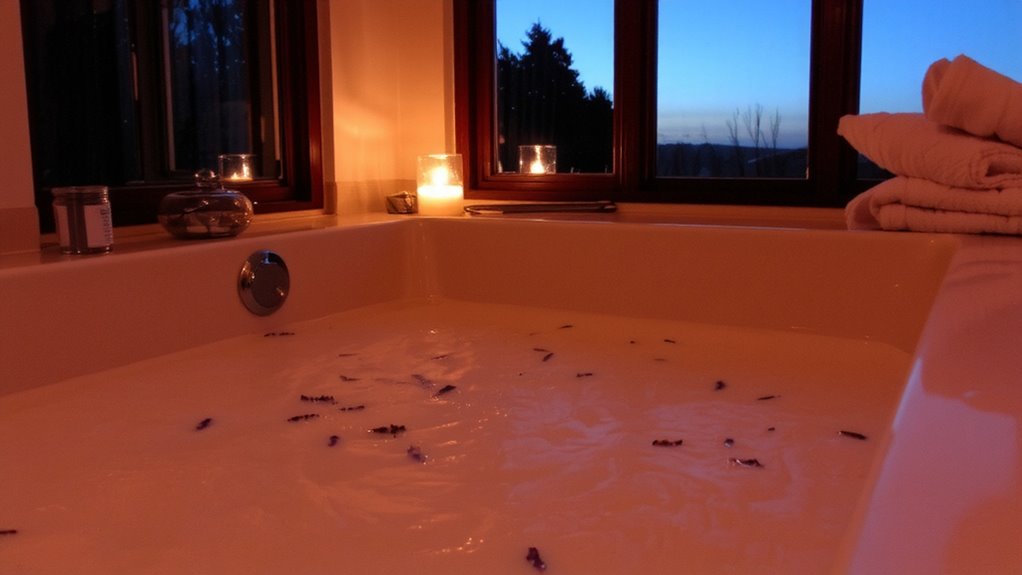
While your body handles stress and prepares for rest, soaking in a magnesium-rich bath may support deeper sleep by aiding muscle relaxation and calming the nervous system. You might notice improved sleep quality after just a few nightly soaks, especially if you’re active or carry tension. Magnesium plays a key role in regulating neurotransmitters linked to relaxation, which helps quiet your mind before bed. It also supports muscle recovery by reducing soreness and easing stiffness, making it helpful after workouts or long days. Unlike oral supplements, transdermal absorption through the skin avoids digestive issues and delivers magnesium directly where it’s needed. Most magnesium bath products dissolve easily in warm water and are safe for regular use. Though individual results vary, many users report falling asleep faster and waking less during the night. It’s a gentle, non-invasive option worth trying if you’re exploring sleep aids to support long-term rest and recovery. For best results, consider using best bath products designed specifically for promoting relaxation and better sleep.
Do Magnesium Baths Really Work?
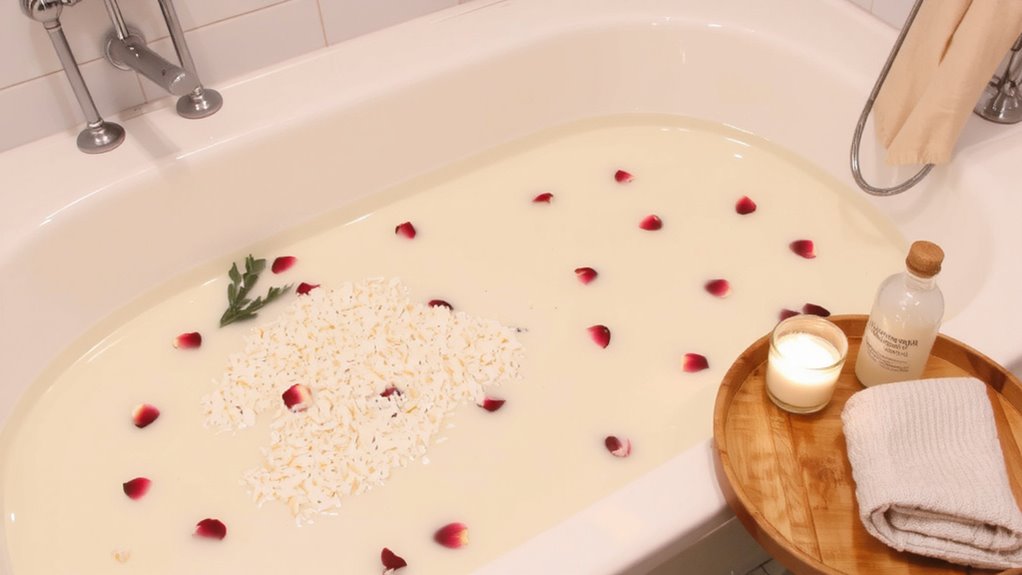
Could something as simple as a warm bath with magnesium actually make a difference in how well you sleep? Research suggests it might. Your body can absorb magnesium through the skin, a process known as transdermal magnesium absorption, which may help maintain healthy levels linked to better sleep regulation. Many people report feeling calmer and sleeping more soundly after regular magnesium baths, though results can vary. These baths also offer skin benefits, like improved hydration and reduced irritation, thanks to magnesium’s anti-inflammatory properties. While scientific evidence is still developing, early studies and user experiences support its potential as a gentle sleep aid. It’s non-invasive, easy to use, and has few side effects. If you struggle with mild sleep issues, trying a magnesium bath a few times a week could be a low-risk step worth considering. Top-rated magnesium creams for sleep can enhance the effectiveness of your bedtime bath routine.
Choose the Right Magnesium for Baths
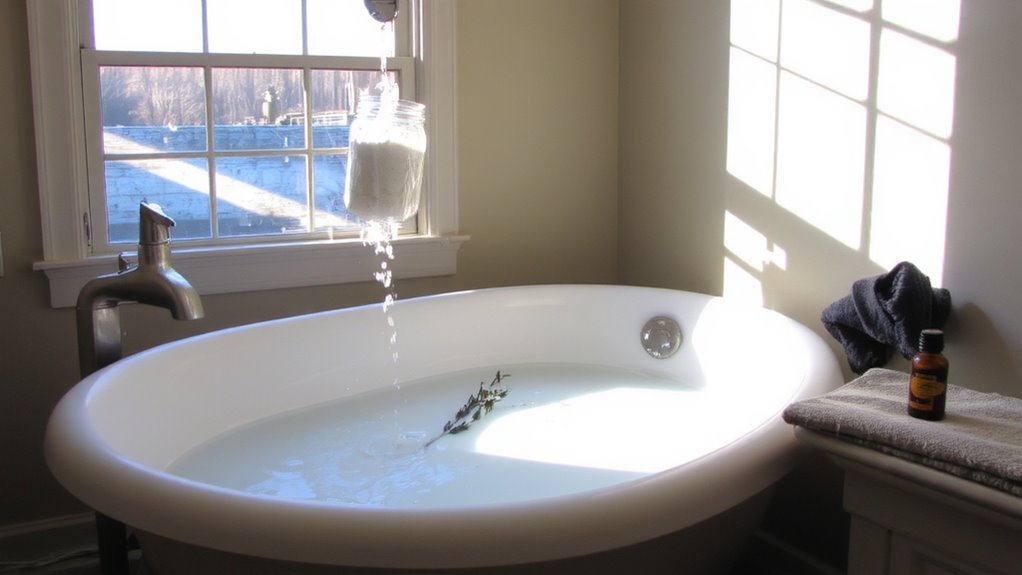
Since not all magnesium products are the same, picking the right type for your bath matters if you’re looking to support relaxation and better sleep. Not all Magnesium types offer the same level of absorption or bath compatibility. Magnesium chloride is one of the most effective forms for baths because it dissolves well in water and supports skin absorption. Epsom salts, though commonly used, contain magnesium sulfate, which also works but may not be as easily absorbed for some people. Flakes tend to dissolve faster than crystals, giving quicker, more consistent results. You’ll want to choose a product labeled for transdermal use to guarantee purity and effectiveness. Check for additives-unscented or naturally scented options help avoid skin irritation. Start with a standard dose, like one to two cups, and adjust based on how your body responds. Trial and consistency help determine what supports your sleep routine best. A supportive sleep environment includes choosing the right pillow, and best king size firm pillows can complement your relaxation routine by improving spinal alignment.
Take a Magnesium Bath the Right Way
You’ve picked a quality magnesium product-now it’s time to use it effectively. For maximum magnesium absorption, dissolve 1 to 2 cups in warm water, making sure the bath temperature stays between 92°F and 100°F-too hot, and you risk drying your skin or reducing effectiveness. Soak for at least 20 minutes to let your muscles relax and your body absorb the minerals. Here’s how to do it right:
| Step | Action | Why It Matters |
|---|---|---|
| 1 | Fill tub with warm water | Ideal bath temperature supports absorption |
| 2 | Add magnesium flakes or oil | Guarantees even dispersion |
| 3 | Stir water | Helps dissolve flakes fully |
| 4 | Soak 20-30 mins | Maximizes magnesium absorption |
| 5 | Pat dry, no rinse | Lets skin keep residual magnesium |
Enhance Your Magnesium Bath With Relaxation Tricks
Why not make your magnesium bath an even better part of your nighttime calm? Adding a few targeted elements can boost both comfort and results. For deeper relaxation, combine magnesium with Epsom salt synergy-both contain magnesium sulfate, which may enhance absorption and soothe muscles more effectively. This pairing supports muscle recovery and may ease tension that interferes with sleep. Include aromatherapy benefits by using essential oils like lavender or chamomile, which studies suggest can lower stress and support sleep quality. Use 5–10 drops in carrier oil to disperse evenly. Keep water warm, not hot, to avoid skin irritation and preserve skin moisture. Turn off lights or use dim lighting to signal your body it’s time to rest. These small adjustments improve your soak’s overall performance, making it a more reliable part of your sleep routine. Try them consistently for best results.
Avoid Side Effects From Magnesium Soaks
Could something as soothing as a magnesium bath ever cause discomfort? Yes, though rare, you might experience skin irritation, especially if you have sensitive skin or use a high concentration. To prevent this, start with a lower dose and gradually increase it over several sessions. Dissolve the magnesium flakes thoroughly in warm water to minimize direct contact with undiluted crystals. Some people may also have allergic reactions, signaled by redness, itching, or rash-discontinue use immediately if these occur. Patch testing on a small skin area before full immersion helps identify sensitivities. Avoid magnesium soaks if you have open wounds or severe dermatological conditions. While generally safe, magnesium absorption through the skin varies, so monitor how your body responds over time. Listening to your body’s signals guarantees you enjoy the relaxation benefits without unwanted side effects.
Make Magnesium Baths a Nightly Habit
Often, adding a magnesium bath to your nightly routine can ease the shift into restful sleep, especially if stress or muscle tension tends to disrupt your rest. Magnesium absorption through the skin may help support muscle relaxation and balanced nervous system function over time. You don’t need a long soak-just 20 minutes in warm water with dissolved magnesium flakes can be effective. This habit also boosts skin hydration, leaving your skin feeling soft, which matters if you have dryness linked to sleep discomfort. For best results, use pure magnesium chloride flakes without added fragrances. Make the bath part of your wind-down routine, like brushing your teeth or reading. Consistency supports better outcomes, though results vary. If you have sleep issues, consider this a complementary practice, not a replacement for medical treatment. Try it nightly for two weeks to assess changes in relaxation and sleep quality.
On a final note
You can try magnesium baths to support better sleep, especially if stress or muscle tension affects your rest. Epsom salt, rich in magnesium sulfate, dissolves well in warm water and may boost magnesium levels slightly through the skin. While research is limited, many report improved relaxation. Start with 2–3 baths weekly, using 1–2 cups of Epsom salt, and soak for 20 minutes. Combine with good sleep habits for best results.