How to Layer Sheets and Blankets for Maximum Breathability in Summer
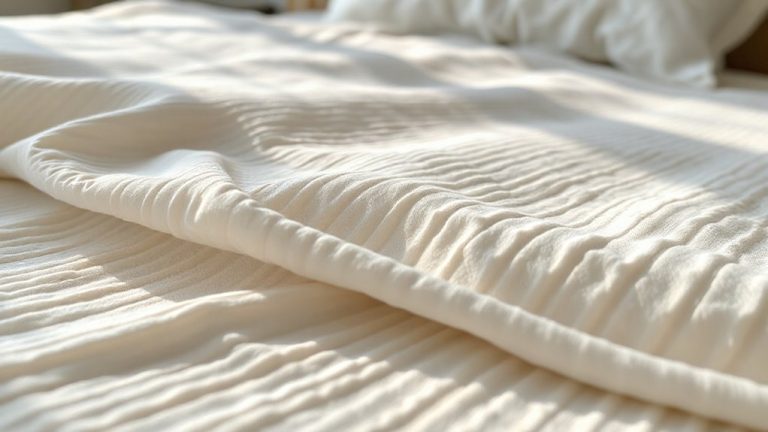
Start with a lightweight cotton or linen fitted sheet-choose 200–300 thread count for softness and airflow. Add a breathable flat sheet in percale or linen to regulate temperature. Top it with a thin, open-weave blanket you can kick off easily. Stick to natural fibers like cotton, linen, or bamboo for wicking and comfort. Leave slight gaps between layers to let heat escape. Drape the top layer loosely or fold it down for extra ventilation. Adjust as the night cools to stay comfortable. You’ll find small tweaks can make a noticeable difference.
Notable Insights
- Use lightweight cotton or linen sheets with a thread count of 200–300 for breathability and moisture wicking.
- Add a breathable flat sheet made from natural fibers like cotton percale or linen to aid temperature regulation.
- Choose a thin, open-weave top blanket that allows easy removal and promotes airflow when overheating.
- Prioritize natural fibers in all layers to enhance moisture control and reduce heat retention.
- Create airflow gaps between layers by loosely draping bedding or folding the top layer at the foot of the bed.
Start With a Lightweight Cotton or Linen Sheet
A well-chosen bottom layer can make all the difference in staying cool through the night. You’ll want to start with a lightweight cotton or linen sheet, as both materials offer natural breathability and wick moisture well. Linen tends to be more moisture-wicking and becomes softer with each wash, while cotton offers a smoother feel from the start. Consider your bed type-especially mattress height-since deeper pockets may be needed for a secure fit. Aim for a thread count between 200 and 300; higher counts can trap heat, reducing airflow. Sheets within this range balance softness and ventilation effectively. Look for options with a tight, even weave, as they often last longer and hold up better over time. Most quality brands offer trial periods, so you can test comfort without risk. Check warranty details to guarantee long-term satisfaction with your choice. For additional support in managing nighttime restlessness, consider incorporating best calm supplements as part of a holistic approach to summer sleep comfort.
Layer a Breathable Flat Sheet for Light Coverage
Choose a breathable flat sheet that complements your base layer without adding excess warmth, since your goal is light coverage that still allows air to circulate. Opt for natural fibers like cotton percale or linen, which support temperature regulation by releasing heat instead of trapping it. These materials also offer solid moisture wicking, pulling sweat away from your skin to keep you dry through the night. A lightweight weave guarantees the sheet drapes comfortably without clinging, maintaining airflow while providing a sense of coverage. Thread count isn’t everything-focus on fabric quality and construction. Look for certifications like OEKO-TEX, which confirm safe, non-toxic production. If you sweat at night or struggle with sleep due to warmth, this layer can make a measurable difference. Trial periods from online brands let you test comfort risk-free, helping you decide if the fabric suits your sleep needs long-term.
Top With a Thin Blanket You Can Kick Off Easily
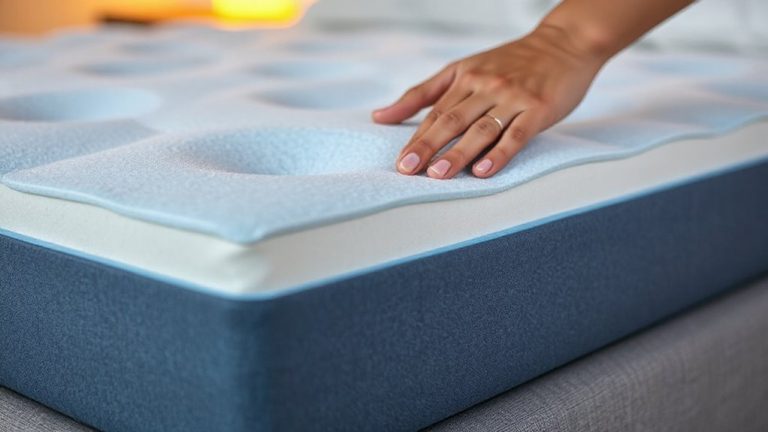
That thin blanket on top isn’t just for looks-it’s your exit ramp when the night heats up. You need something light so you can toss it off without waking fully, which supports better sleep continuity. A lightweight knit or open-weave design allows for easy ejection when your body temperature rises. Look for a blanket that drapes loosely, not one that clings or traps heat-this guarantees quick release and reduces disruption. Since summer nights bring fluctuating temps, this top layer helps during cooler hours but shouldn’t stay if it adds warmth. Choose a simple construction with minimal fill so it’s simple to kick away and pull back if needed. Test it for a few nights; some materials drape better than others, affecting how smoothly it leaves the bed. A good one balances presence with disappearance-there when wanted, gone when not. For added comfort, consider pairing your breathable layers with a Novilla mattress known for its temperature-regulating design.
Pick Natural Fibers for Maximum Breathability
Natural fibers let your skin breathe while you sleep, and that makes all the difference when summer heat lingers into the night. You’ll sleep cooler in sheets made from cotton, linen, or bamboo because they have strong moisture wicking properties, pulling sweat away from your body. These materials also offer real temperature regulation benefits, adjusting slightly as your body heats up or cools down. Unlike synthetic blends, natural fibers don’t trap heat, helping reduce night sweats and discomfort. Look for tightly woven yet lightweight fabrics-percale cotton and washed linen are especially effective. Many brands offer trial periods, so you can test how well they work for your sleep routine. Check care labels, too, since some natural fibers require gentle washing. Choosing the right fabric won’t cure sleep disorders, but it can improve comfort. Over time, consistent use may support better sleep patterns by keeping your body at a steadier temperature. For hot sleepers, selecting the best summer bedding can significantly enhance nighttime comfort.
Leave Gaps Between Layers for Better Airflow
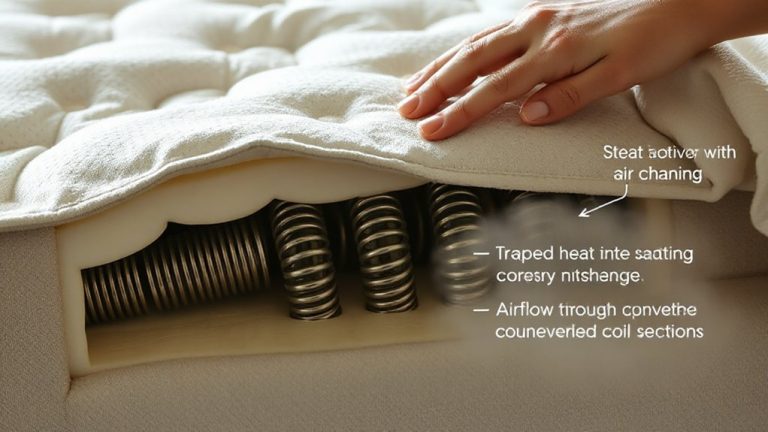
With just a small adjustment in how you layer your bedding, you can considerably improve airflow and stay cooler through warm summer nights. Instead of tucking every layer tightly, leave slight gaps between your sheets and blankets to create natural airflow channels. These spaces allow heat to rise and escape, preventing it from trapping near your body. Strategic ventilation like this helps regulate temperature without relying on heavy fabrics or excessive cooling devices. You don’t need special gear-just loosely drape your top layer or fold it down at the foot of the bed. This simple method supports better sleep by reducing overheating, a common disruptor. It works especially well with natural fiber bedding, enhancing breathability. Try adjusting the spacing based on how warm your room gets. Small changes can make a noticeable difference in comfort, helping you maintain restful sleep patterns.
Adjust Your Bedding as the Night Cools Down
As the night cools down, you might find your earlier summer layers too light or too heavy, depending on how much the temperature drops. This shift affects your temperature regulation and can disrupt nighttime comfort. To stay balanced, keep a lightweight blanket or sleep-ready layer nearby-something breathable like cotton or bamboo that you can easily add or remove. Layering allows you to adjust without sacrificing airflow. If you tend to wake up feeling chilled, consider a breathable duvet with a low tog rating instead of a heavy comforter. These options support gradual temperature shifts while maintaining airflow. Trial periods on bedding products let you test how well they suit your sleep patterns. Good layering isn’t just about staying cool-it’s about adaptability. Adjusting your bedding helps support consistent sleep, especially if you’re sensitive to temperature changes.
On a final note
Choose lightweight cotton or linen sheets to start, since they let air move and manage moisture well. Add a breathable flat sheet, then a thin blanket you can easily kick off. Natural fibers help regulate temperature throughout the night. Leave small gaps between layers to boost airflow. Adjust as the room cools-removing or adding light coverings. Test different setups over a few nights, noting comfort and sleep quality. Many brands offer trial periods, so try before committing.