Using Lemon Balm to Reduce Nighttime Urination From Anxiety
Anxiety can make your bladder feel full at night, even when it’s not, due to heightened nerve signals and disrupted hormone balance. Taking 300–600 mg of lemon balm extract 30 minutes before bed may help calm those signals through its effect on GABA pathways. Capsules limit extra fluids, reducing trips to the bathroom compared to tea. Effects build over one to two weeks, so consistency matters. Keep a sleep log to track progress, and consider further evaluation if symptoms persist-there’s more to explore if needed.
Notable Insights
- Anxiety increases nighttime urination by heightening bladder sensitivity and disrupting fluid-regulating hormones like vasopressin.
- Lemon balm reduces anxiety through GABA pathway modulation, helping calm overactive bladder signals.
- Its rosmarinic acid content supports nervous system regulation, promoting bladder relaxation and reducing nocturnal urges.
- Capsules (300–600 mg) taken 30 minutes before bed offer a low-fluid, consistent dosing option to minimize nighttime trips.
- Effects build over time; track sleep and bathroom visits for up to two weeks and consult a doctor if symptoms persist.
Why Anxiety Makes You Pee at Night

Why does anxiety seem to send you to the bathroom right when you’re trying to fall asleep? When you’re anxious, your body activates stress-related neurological pathways that signal your bladder to become more sensitive. These signals travel fast, making you feel the urge even if your bladder isn’t full. At the same time, anxiety can trigger hormonal imbalances, especially in cortisol and vasopressin, which affect how your kidneys manage fluid. This often leads to increased nighttime urine production. Poor sleep onset or disrupted rest worsens the cycle, as your body struggles to regulate these systems. If you’re facing frequent awakenings, it’s worth considering how stress impacts your nighttime patterns. Tracking symptoms over a few nights may help clarify whether anxiety contributes. Addressing underlying causes, rather than immediately reaching for sleep aids, supports longer-term balance. Simple lifestyle changes-like evening routines or stress reduction-can make a measurable difference.
How Lemon Balm Reduces Anxiety and Urge

While lemon balm won’t cure your nighttime urges, it may help reduce the anxiety that amplifies them. You experience relief because lemon balm supports neural modulation, gently influencing brain signals tied to stress and hyperarousal. This calming effect can decrease the jittery feelings that make you more aware of bladder sensations. As your nervous system settles, bladder relaxation becomes more likely, reducing the perceived urge to go. Studies suggest compounds in lemon balm, like rosmarinic acid, interact with GABA pathways, which play a role in both anxiety and involuntary bladder control. You might notice fewer trips when your mind and bladder are less reactive. It’s not a sedative, but it promotes a state conducive to uninterrupted sleep. This makes it a practical option when anxiety-driven voiding disrupts your rest. Always consider how it fits with your health profile and sleep habits.
Best Lemon Balm Forms for Nighttime Relief
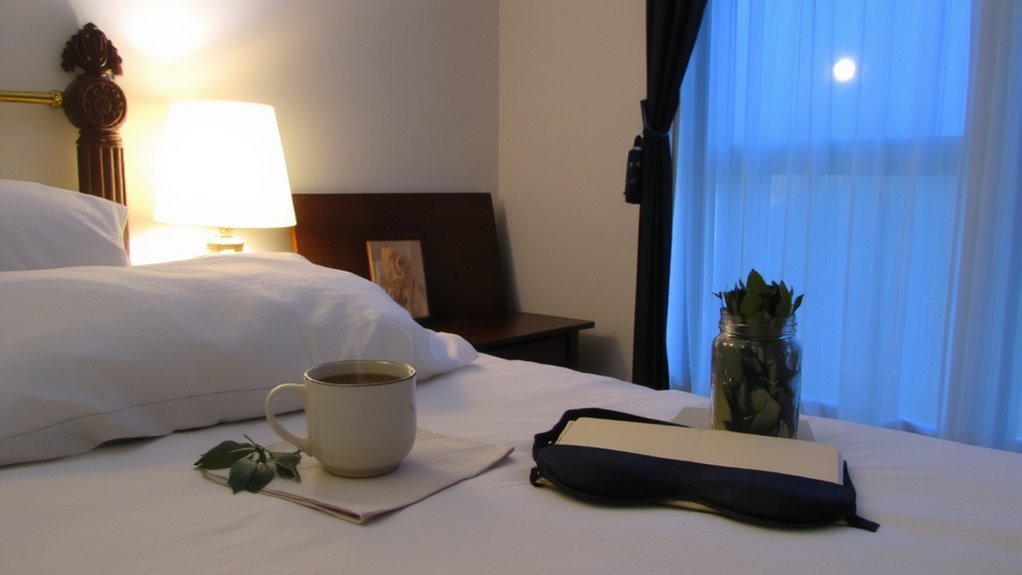
You’ve likely noticed how calming your mind can make a real difference when it comes to staying asleep through the night, especially if bladder urges tend to pull you out of bed. Lemon balm tea offers a gentle, natural option that many find soothing about 30 minutes before sleep. It’s easy to prepare and helps signal your body that it’s time to wind down. For more consistent results, a standardized lemon balm capsule dosage-typically 300 to 600 mg-may provide stronger support, especially if anxiety-related urges are frequent. Capsules offer precise amounts and avoid the need to wake for bathroom trips caused by drinking too much fluid. While tea works well for mild cases, capsules are often better for moderate to severe nighttime disruptions. Always check labels for extract concentration and start with the lowest effective dose to assess tolerance.
How to Use Lemon Balm Before Bed to Sleep Better
Could the quiet ritual of evening tea be what’s missing from your sleep routine? Brewing lemon balm as a warm tea about 30 minutes before bed may support better sleep hygiene and ease you into rest. Simply steep 1–2 teaspoons of dried herb in hot water for 10 minutes. Sipping it nightly helps reinforce calming bedtime rituals. You could also take lemon balm as a capsule or tincture, following label dosing for sleep support. Since effects build gradually, consistency matters more than intensity. Pairing lemon balm with dim lights and screen reduction enhances its role in a balanced routine. It won’t knock you out, but it may soften anxiety that disrupts sleep onset. Think of it as a gentle aid, not a cure. Used this way, it fits neatly into broader strategies for healthier sleep-without side effects that impair next-day focus.
What to Expect & When to See a Doctor
How soon might you notice a difference? Some people report feeling calmer and sleeping more soundly within a few days of using lemon balm. You may find nighttime urination decreases as anxiety eases, especially if stress contributes to your symptoms. Results vary, though-some need up to two weeks to see changes. Keep a sleep journal to track improvements in sleep quality and bathroom trips. If you’re still waking frequently, don’t assume lemon balm isn’t working-other sleep disorders could be involved. Persistent symptoms call for a medical evaluation to rule out conditions like sleep apnea or prostate issues. Don’t rely solely on herbs if problems continue. A doctor can help identify underlying causes and recommend safe, effective options. Lemon balm is a gentle aid, not a fix for all sleep or urinary concerns.
On a final note
You might find lemon balm helps ease nighttime urination linked to anxiety, since it can calm nervous system activity. Try a standardized extract or tea 30–60 minutes before bed, starting with a low dose to assess tolerance. Effects vary, so track sleep and bathroom patterns for a week. If symptoms persist or worsen, consult a healthcare provider to rule out other conditions.